
Creative Jobs: What Graphic Designers Do
Creative Jobs: What Graphic Designers Do The article covers a variety of questions about a job of graphic designers: directions, skills needed for a successful career and a pack of design examples.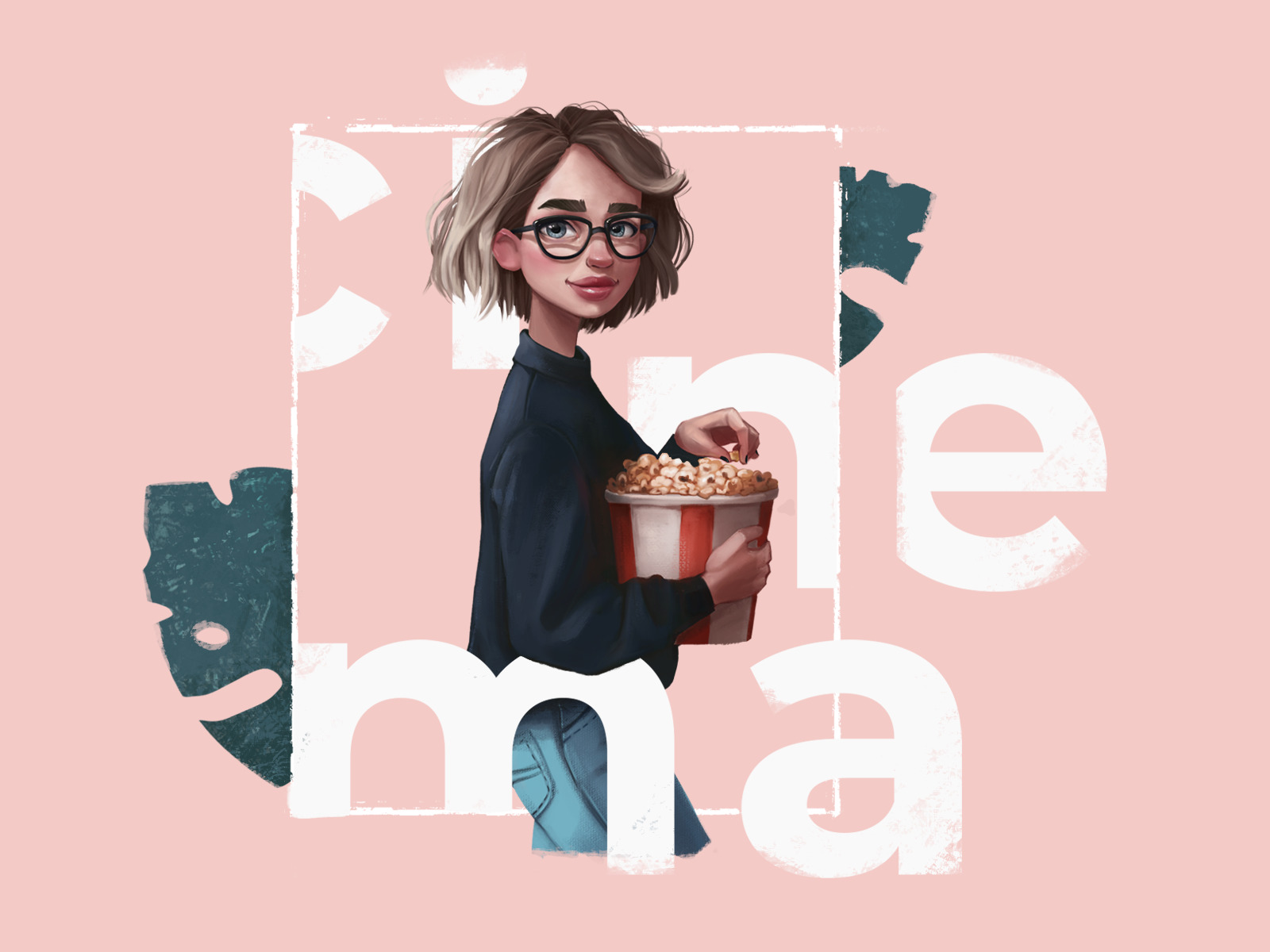
Our today’s article will be based on frequently asked questions about graphic design I answered on Quora, so now have collected the most popular questions here for our readers. The issues to discuss here are the following:
- What is graphic design?
- What are the creative directions of graphic design?
- Is graphic design art?
- Why is graphic design important?
- What skills are needed to reach success in graphic design?
- Can you be a graphic designer without drawing skills?
Let’s get started with theory, practice, and a big set of examples from studio designers.
What Is Graphic Design?
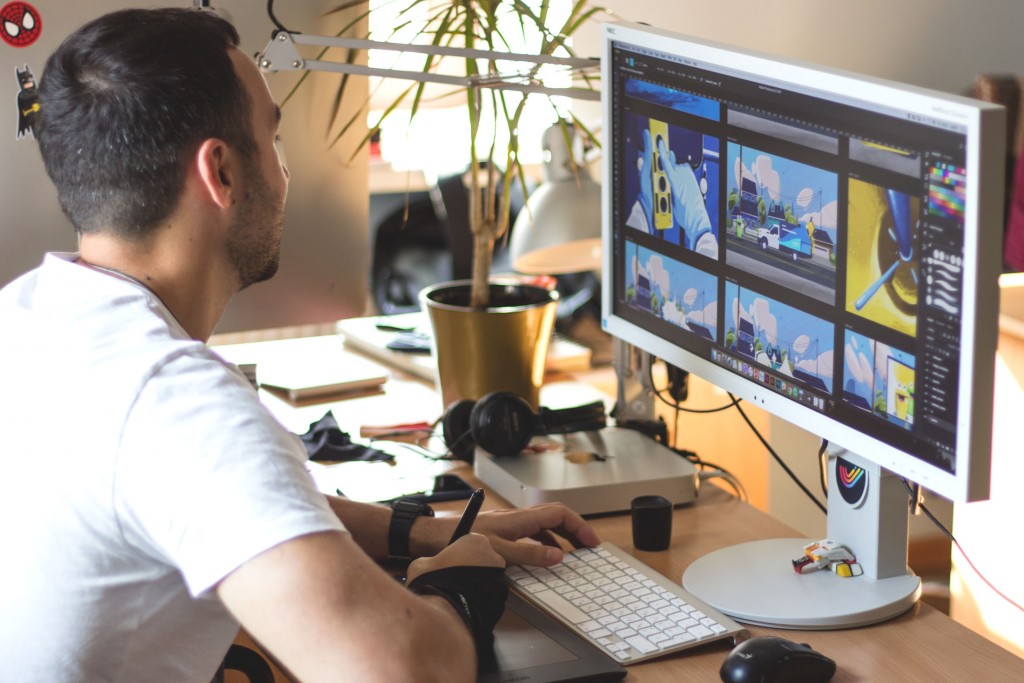
Graphic design is a professional field that lies at the crossroads of visual arts, communication, psychology, and other disciplines. Graphic designers create the ways and assets of communication by means of graphic (visual) elements: images of different styles and complexity, photos, types and fonts, pictograms, shapes and sizes, colors and shades, lines and curves, page layouts, etc. A graphic designer makes graphics that transfer the message, so they become functional. Graphic designers can be described as a type of creative applying their talents not in pure art for aesthetic satisfaction, but in communicating and creating purposeful art.
What Are the Creative Directions of Graphic Design?
Today, graphic design is a broad area to apply artistic talents in a diversity of forms. For instance, it includes creating:
- illustration
- identity (logo and branding)
- icons and pictograms
- typography
- editorials
- interface graphics and elements
- print advertisements
- graphic assets for animated videos and cartoons
- big print items such as posters and billboards
- signs
- wayfinding graphics
- infographics
- packaging, etc.
Whatever is the goal and direction, the basic purpose of graphic design is to serve a specific goal or set of goals by means and techniques of art. Let’s check the practical examples.

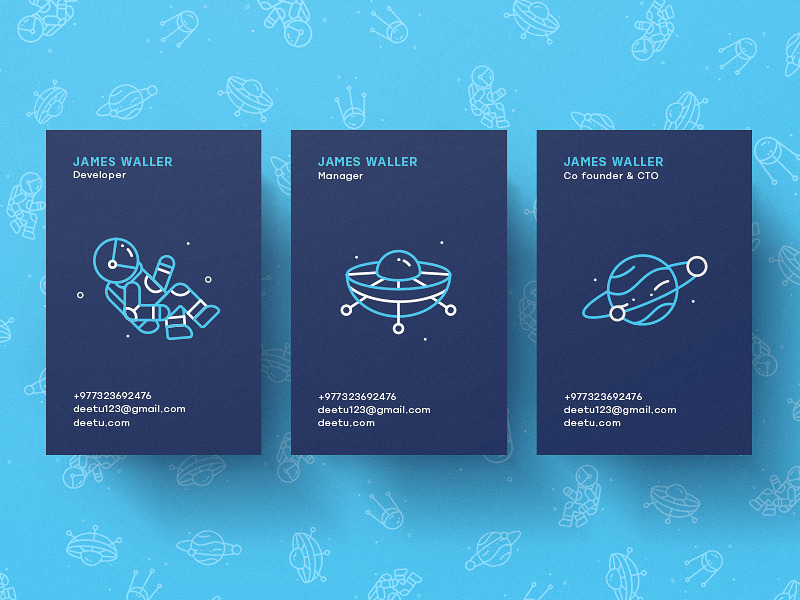
Logo design

Truck livery design for Andre Landscape
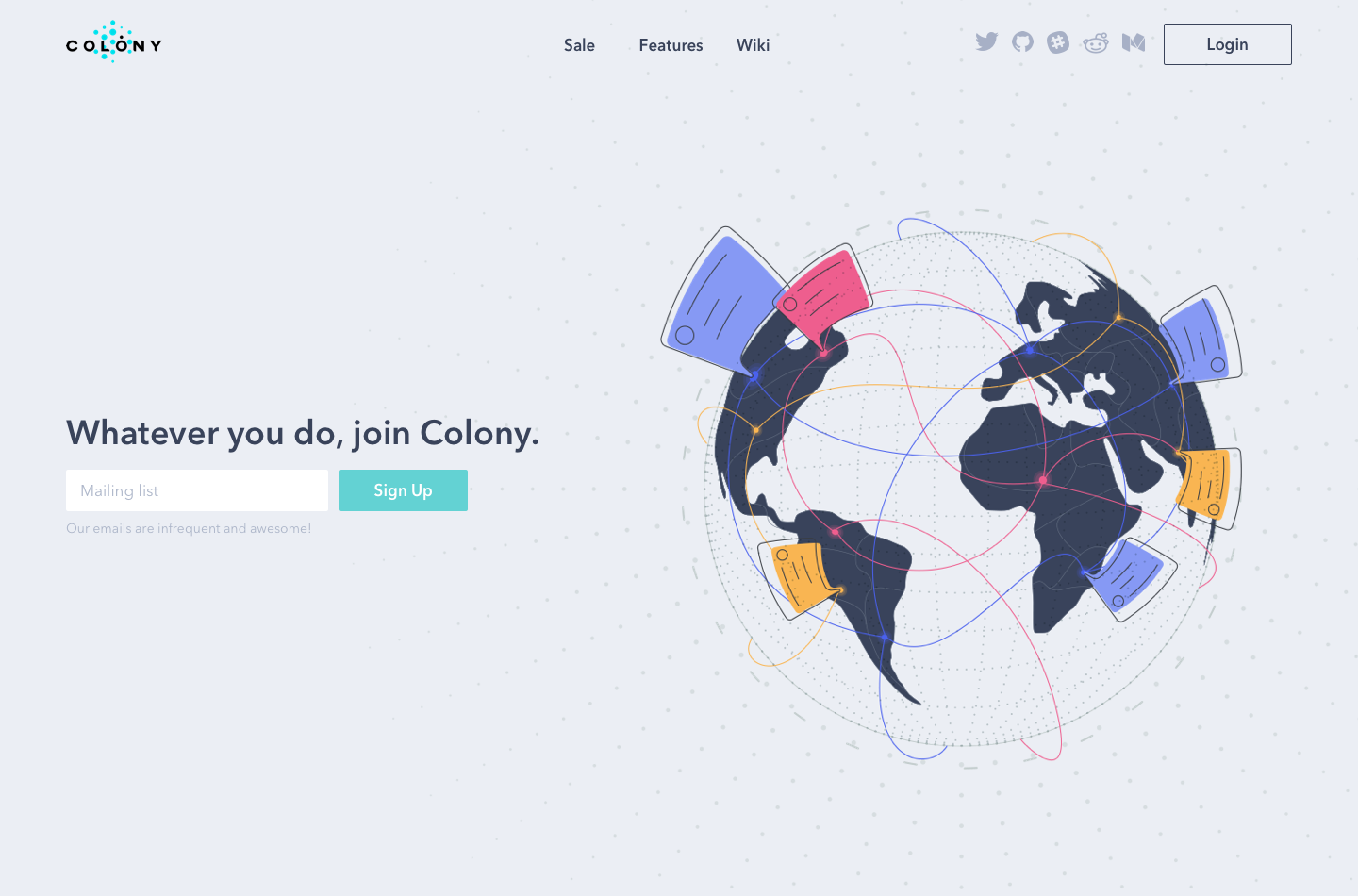
Interface illustration for a Colony landing page
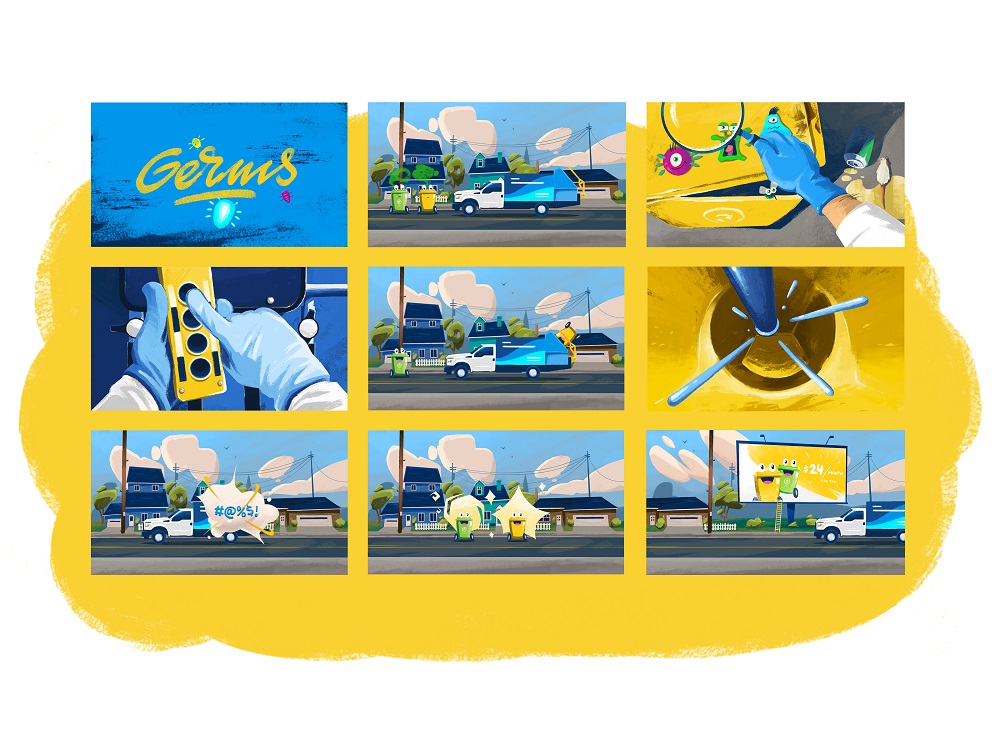
Storyboard: illustrations for Binned promo video

Title illustration for blog article

Stickers design
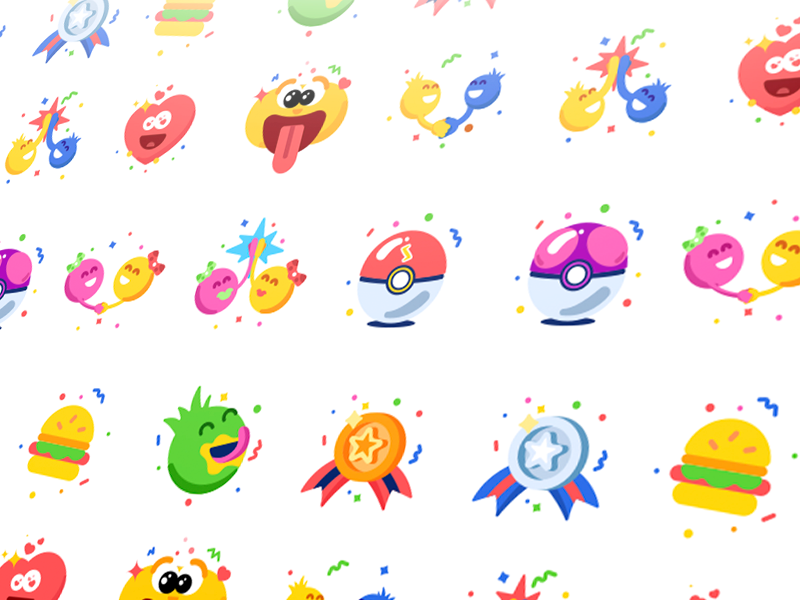
Badges for Pukapal app

Illustration for Opera promo video

Character design for Toonie Alarm

Book cover design
Theme poster-style illustration
Is Graphic Design Art?
In short, no, most professionals in this sphere do not position or call themselves artists.
Defining art, Merriam-Webster’s dictionary describes it as “the conscious use of skill and creative imagination especially in the production of aesthetic objects.” The objects of art are appreciated mostly for their beauty, aesthetic value and emotional appeal. And all that is not the primary goal set for design.
A graphic designer’s job could be described as building a bridge between art and functional goal-centered design. They blend the power of art and functionality within the constraints of specific goals and a defined audience. “Good design is a lot like clear thinking made visual,” said Edward Tufte and that is a cool definition showing what graphic designers strive to achieve.
It’s easy to see that graphic design covers various aspects of human life, dealing with visual communication, from books and posters to complex mobile apps or 3D animation. Supported by research, analysis, and testing, graphics enhance usability, strengthen branding, and provide a positive user experience. That is the point where art and functionality merge and meld to make people happier by solving problems and fulfilling wishes.
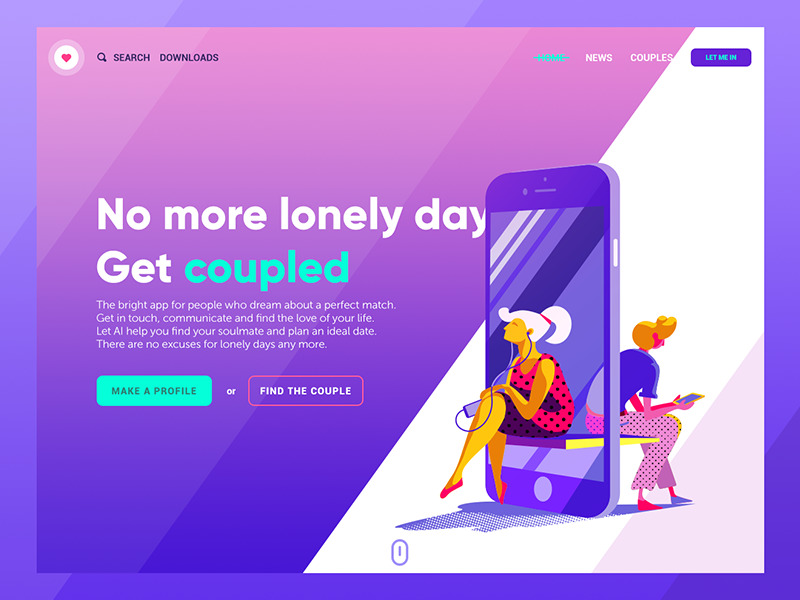
Theme illustration for a dating app landing page
Why Is Graphic Design Important?
This question is often asked and not so easy to answer. One reason this professional field has such a broad presence in our lives is that people are mostly visual creatures. We tend to perceive images faster than words. We are influenced by colors and shapes. We respond to characters and symbols. We need prompts and visual hierarchy. We are dependent on emotions and feelings. The list may be prolonged, and graphic design is what makes the difference.
It rarely occurs that the object of graphic design serves only one objective. Let’s look into the core goals set for graphic assets.
Identification
This aspect deals primarily with branding, first of all, logos which set the foundation for a brand strategy. Designers have to consider multiple factors regarding the target audience, laws and rules of artistic harmony, the psychology of color and shape, impact on human perception and emotions, the current conditions on the market as well as business goals of the brand or company. Moreover, visual images are memorable which enhances brand awareness.

Whizzly logo design
Beauty
Beauty means as much as it works like a hook for the users or viewers dealing with visual stuff from advertising to book covers, cartoons, user interfaces of all kinds, packaging, photos, and loads of other things. We tend to be emotionally and aesthetically engaged. Although content and functionality are crucial for problem-solving, people still live by the unwritten rule that a good dress is a card of invitation. An attractive appearance is highly important for engaging users to try a product or watch a video, especially in the modern, intense competitive landscape. Graphic design also becomes a powerful tool for UI beautification, from small details like icons to significant elements like illustrations and mascots.
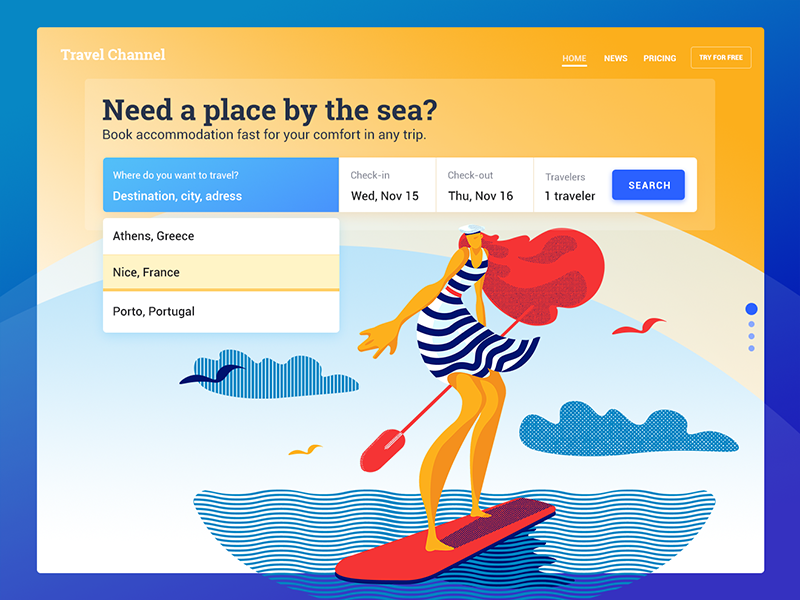
Travel app landing page
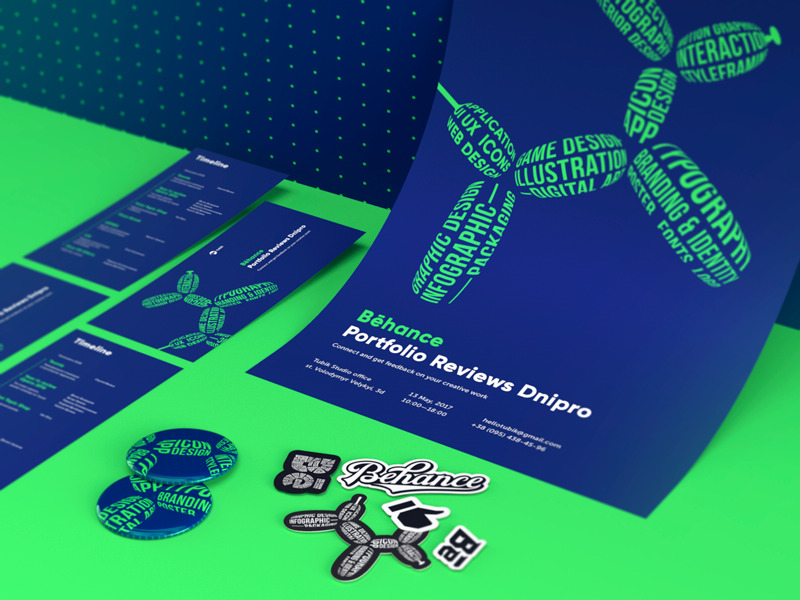
Event branding for Behance Portfolio Reviews Dnipro
Theme and mood
Visual elements, as well as copy, not only transfer the message but also set the tone and voice of communication. It may be achieved through background, typography, composition, color palette, shapes, sizes, and stylistic approaches that inform the user about the product from the first seconds of contact. Visual perception plays a significant role in decision-making, especially in introductions: short minutes or even seconds are vital to get the user interested. As well, following popular trends, graphic designers give the object an up-to-date look, which is an essential factor of trust for many users.

Illustration for a blog article on UI navigation
Explanation, information, and guidance
This aspect is presented in both print assets and digital interfaces through various tutorials, manuals, tool tips, guides, etc. A picture is really worth a thousand words: it saves precious time and helps to avoid big copy blocks. Even more, graphics based on a thorough analysis of the target audience activate the mechanisms of empathy and emotional appeal.
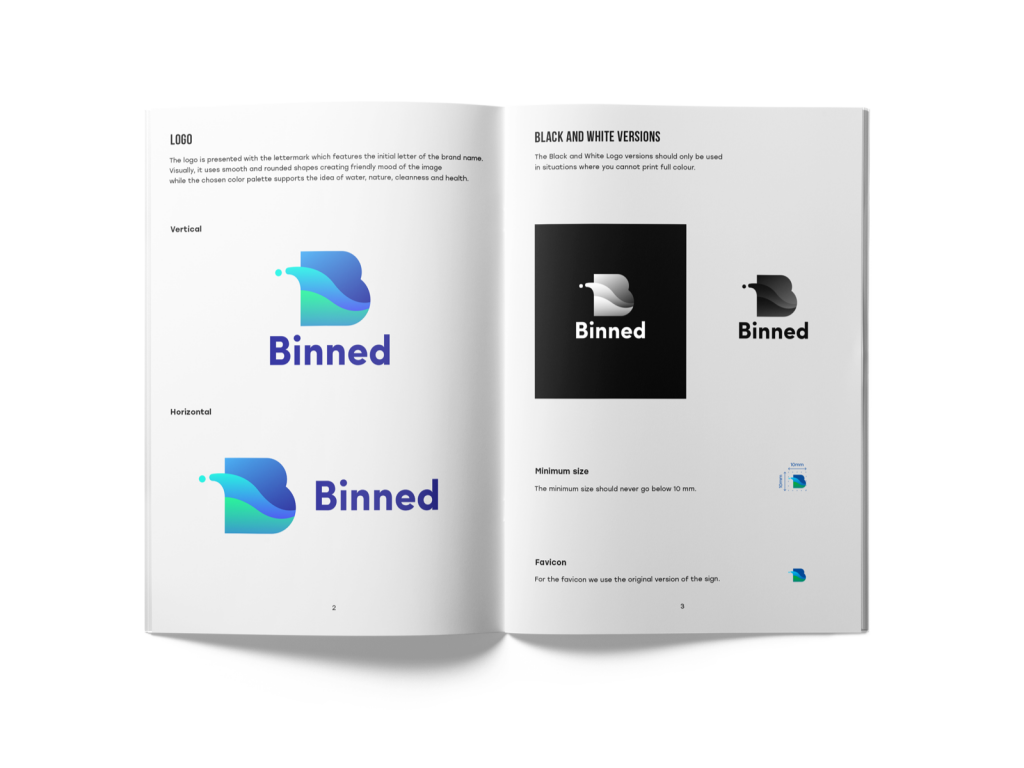
Style guide for Binned
Navigation improvement
Custom graphic elements are a great way to improve navigation and boost usability. Practice shows it has a significant impact on conversions and reader retention, providing an easy flow of the journey through the website or app, map, or city navigation. In addition, all this positive influence is supported by aesthetic pleasure if the visual performance is consistent and keeps a harmonic composition.

Custom artistic icons for categories of Cuteen app
Characters boosting communication
Appropriately applied personification is a factor in a positive user experience; it strengthens brand image and brand awareness. That is why mascots and characters often become a part of a design concept and content strategy. And here, graphic designers can show their best. Efficient mascots corresponding to expectations of the target audience provide originality and flow of communicatio,n which is closer to natural.

Toonie mascot and stickers design
Stylish copy
This is all about typography, an important branch of graphic design that treats letters as a design object. Copy applied to various products should not only be legible and readable but also attractive, emotional, and engaging. In branding lettering, it also adds vital features such as originality and recognizability.
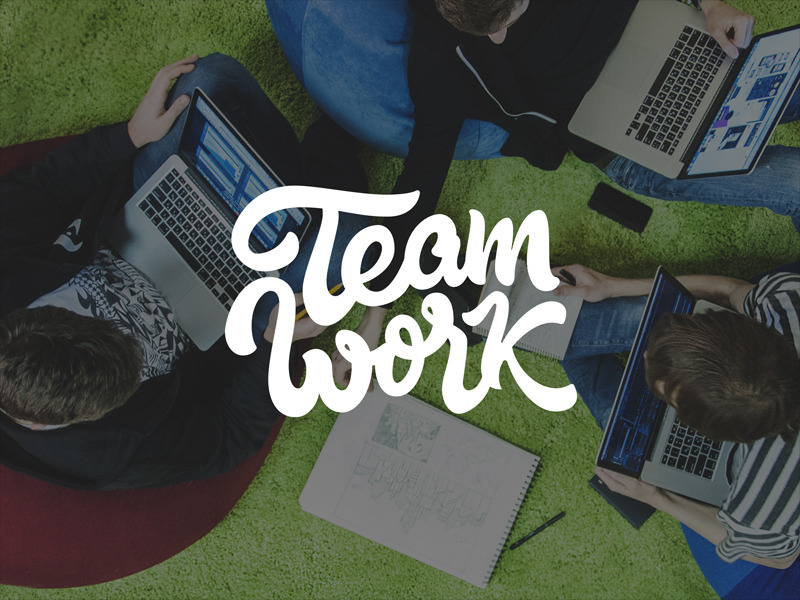
Creative lettering for theme illustration
What Skills Are Needed to Reach Success in Graphic Design?
Requirements for specialists in graphic design often include the following:
- technical artistic skills, and preferably a qualification in some sort of visual art
- artistic talent and creative nature
- good artistic eye and feeling of harmony
- ability to draw well
- good skills in composition and visual analysis
- ability to work on the analysis of the target audience and possible options of communication with it
- ability to apply different techniques of drawing and painting, preferably both with manual and digital tools (Photoshop, Illustrator, Procreate, etc.)
- ability to learn and self-improve constantly, as the sphere is extremely dynamic and diverse, etc.
So, if you want to build your career in this sphere, it could be helpful to think about which of the mentioned positions you feel strong in and which ones need to be improved. As well, nowadays it’s vital to be quite flexible in applying diverse design tools like Photoshop, Illustrator, etc. So, practice and training are needed all the time to get prepared for modern design tasks.
From the perspective of knowledge, it would be very useful to gain knowledge of color theory, psychology, strategies, design flow for branding and marketing, negotiation skills, basics of business and sales, and other topics that bring designers closer to clients and final users. In addition, it gives a broader outlook and makes the process of sharing creative ideas more natural and productive.
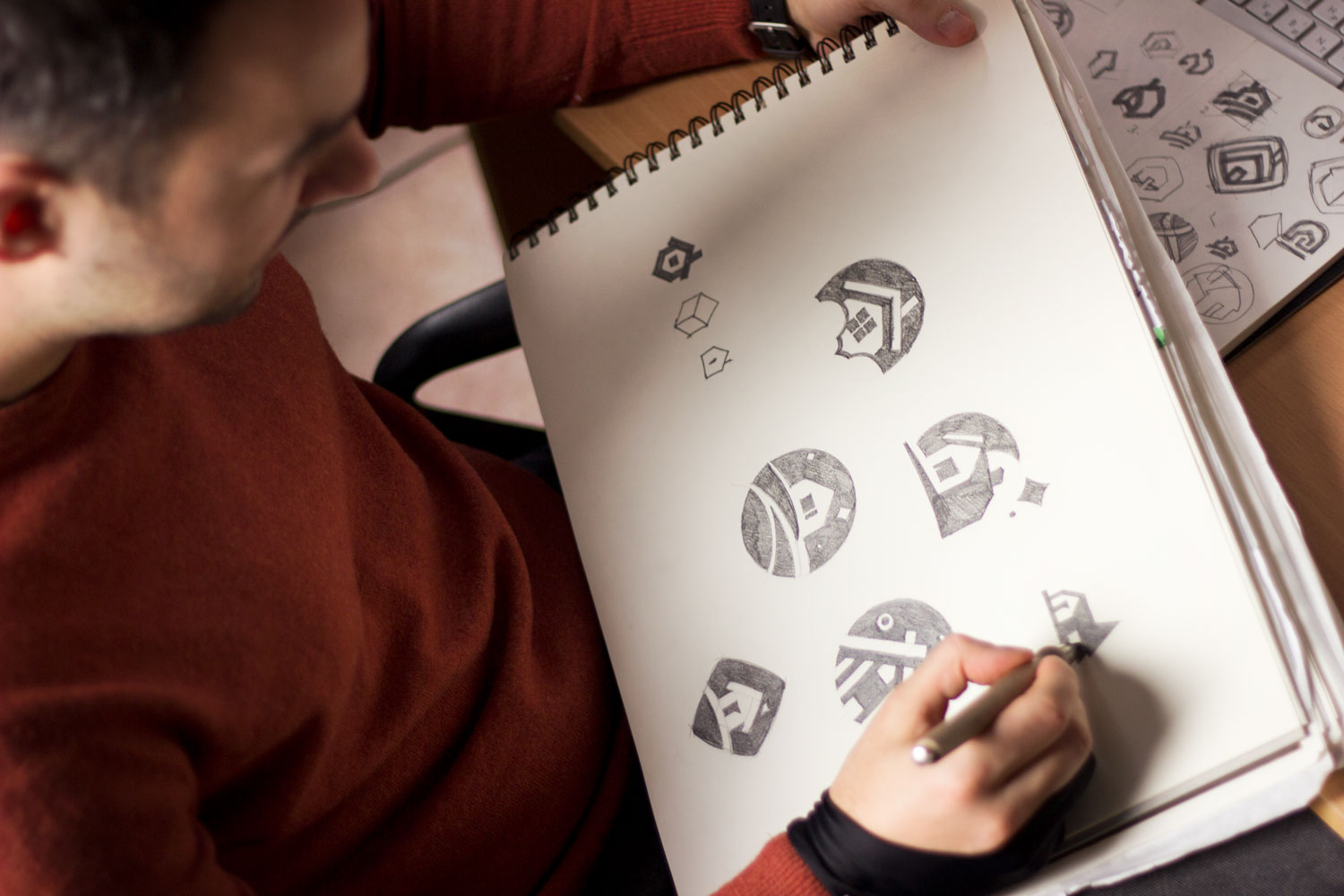
The creative process for App Shack logo design
Can You Be a Graphic Designer Without Drawing Skills?
Well, in short, if we are talking about graphic design without high goals for success, yes, it may happen that you can earn a living in the sphere without great skills in drawing. Still, in practice, when a graphic designer aims at professional growth, a cool career, and really interesting projects, drawing skills and knowledge of academic drawing theory are vital for success.
To get a bit deeper, it’s worth mentioning that in some other spheres of design, it happens that you can be a high-level professional without being skillful in drawing (still, graphic design definitely doesn’t belong to them). For example, in the current state of the UI design field, with a variety of tools and hundreds of stock images featuring graphic assets like icons, illustrations, and photos, these resources may be enough to create some kinds of interfaces. However, those who strive for originality, functionality, and unique graphics for their projects will create them from scratch or delegate these tasks to graphic designers. And the high-quality graphic assets are grounded in strong drawing and painting skills. Unlike other spheres, in graphic design, it is essential to be able to draw to succeed.
Art school and lessons in academic drawing in its classic form provide a broad and solid artistic foundation in composition, color theory, drawing, painting techniques, and the history of art. Adding to them the hours of elaborate training in which you practice hand-drawing, painting, sketching, ocular estimation, the ability to see and transfer the lightest shades and shadows, and the like, you get much stronger, more skillful, and diverse as an artist. This is actually the best basis for creating high-quality, stylish graphics with the level of complexity required.
As for real examples, graphic designers at Tubik Studio have a remarkable foundation in professional training and academic qualifications, starting with several years of intensive study at art schools and then advancing to majors in architecture, visual arts, and design. With all that stuff, mastering design software like Adobe Photoshop, Illustrator, and Procreate, and combining it with the knowledge of modern trends in digital design and art, they have worked out their personal artistic style and have developed it more and more in actual design projects accomplished by the studio, as well as design concepts.
Creating illustrations and icons for real UI/UX designs and testing them in combination with other elements, working on logos and other branding elements, practicing hand-sketching and drawing as well as digital illustrations just for developing better and faster use of software, they get to the solutions which are original, beautiful, and functional. Sure, this is a personal opinion based on long-term design research and day-by-day work with a team of designers.
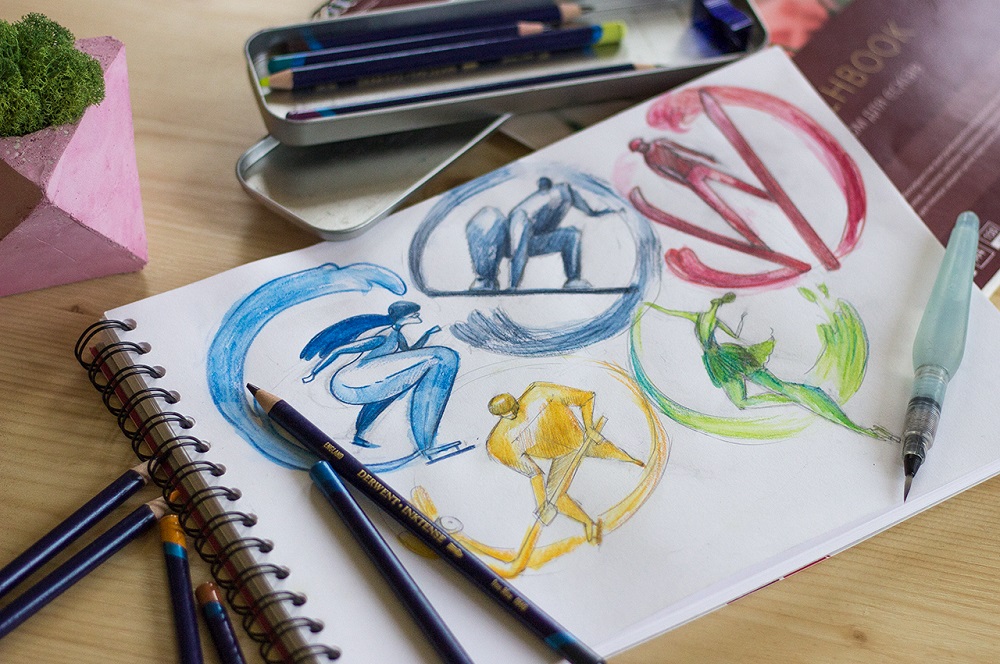
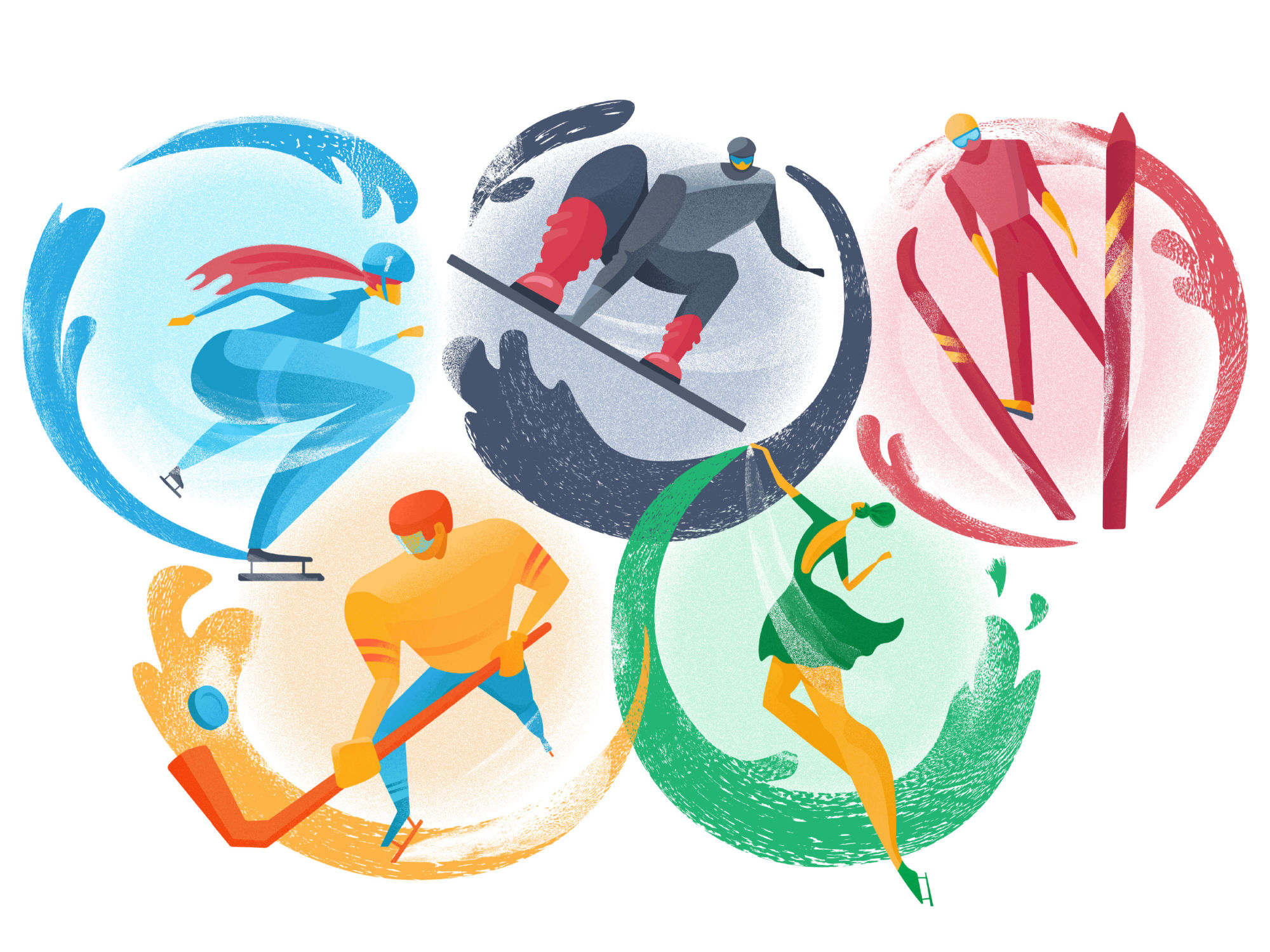
Sketching for Winter Olympics illustration
Today’s brief FAQ review is over, but new answers are coming soon. Stay tuned!
Useful Reading
Flat Design. History and Modern Practices
Design Glossary: Basic Color Terminology
10 Reasons to Apply Illustrations in UI Design
State of the Art: 15 Creative Graphic Design Concepts
Illustration Case Study: Winter Olympics Illustration Step-by-Step
How to Create Catchy Flat Illustrations: Designer’s Tips
Small Item, Big Impact: Types of UI Icons
6 Creative Stages of Design for Branding
Creative Stages of Logo Design
Originally written for Tubik Blog
 https://design4users.com/creative-jobs-graphic-designers/
2026-01-19
© by
Marina Yalanska
,
https://design4users.com/creative-jobs-graphic-designers/
2026-01-19
© by
Marina Yalanska
,
- English
- Ukrainian