
Big Guide to Different Types of Websites
Big Guide to Different Types of Websites Websites are classified based on various factors: check the most popular web platforms and answer whether a blog is a website.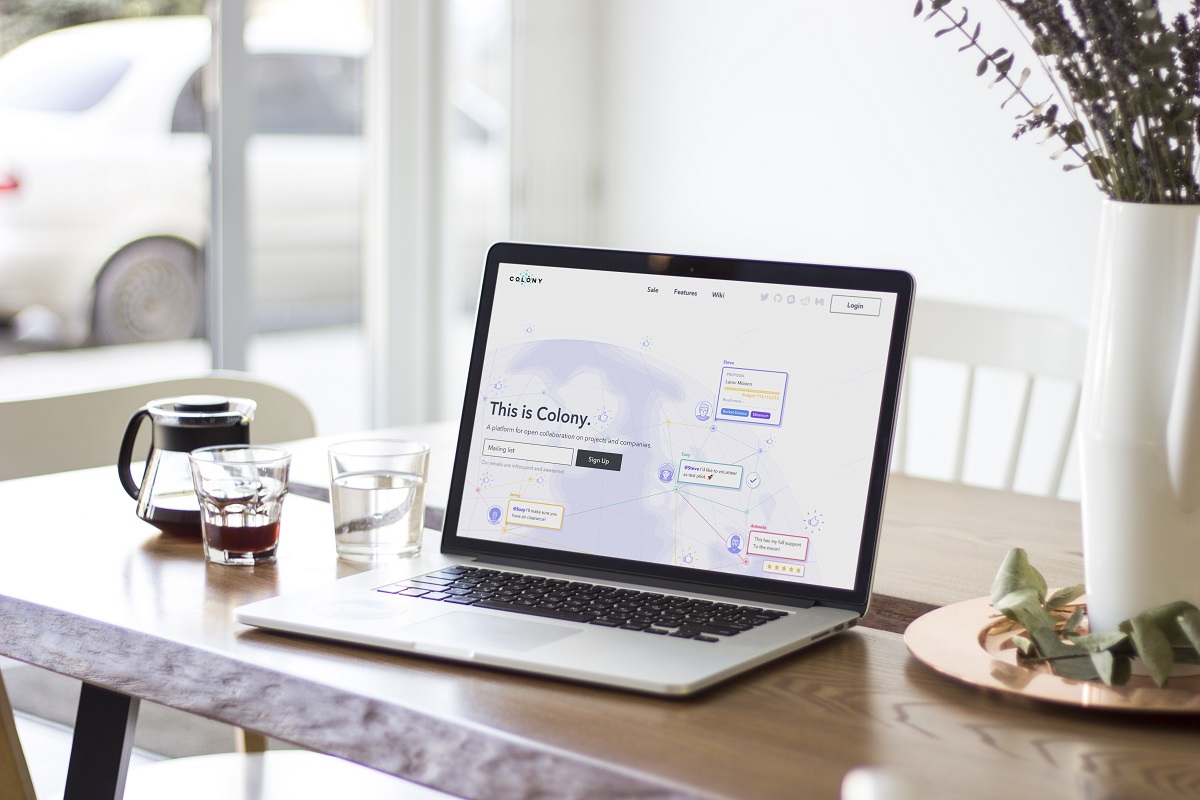
Before any web design project starts, it’s essential to define its goals, utility, and target users. That’s crucial for a website, at least to be noticed among more than 1.8 million other websites. Just answer simple questions:
- Who is going to use your website? (Hint: the answers can’t be “everybody”)
- Why will they use it?
- What problems will it solve?
- What will make them want to return (and is it necessary)?
- What will make your website special?
The answers to these and other questions will define the type of your website. Why is that important? You’ll gain an understanding of what users may expect from your website and how you’ll deliver it to them. Today, we discuss diverse types of websites.
What Are Different Types of Websites?
Let’s start with the basics. A website is a collection of web pages that provide users with various content, including text, images, video, audio, etc.
They are identified with a domain name and published on a web server. Obviously, if you ask people to classify websites and describe different types, you will get totally different answers as there are many factors influencing this division, from purely technical issues to the presented information and goals the website achieves.
The main factors of classification that we will apply for this review are functionality, content, and design.
Content Performance
With respect to the regularity and scale of content changes, websites can be classified into two broad categories: static and interactive (dynamic). In short, this classification is based on the frequency with which the content of the website is updated.
Static (fixed) websites are the basic ones. They don’t often change their content, and they aren’t updated by users. Mostly, websites of this kind are made for information goals rather than interactions.
Dynamic websites are those whose content is regularly updated. Even more, different users often see different information. Remember your experience with any e-commerce website: what you see at a particular opening a website depends on multiple factors such as location, your search history, your being logged-in or logged-out, the relevance of some positions to the season or hot sales, and so on, and so forth. Analyzing all that stuff, the website has to update its content. What’s more, users may generate some content by themselves or customize what they want to see with filters, tags, and the like – in this case, the website will have to respond to all the actions dynamically and show the updated content to users. No wonder, we interact with websites of this kind much more often than with static ones, just because the internet users want much more from a web resource than just some information.

The Gourmet is an example of a dynamic e-commerce website
Functionality and Purpose
Another classification is based on the core functions of the website and problems it solves for users. Among the most popular types today, we can mention the following.
Personal presentation websites are the ones that promote an individual from a creative or professional perspective. Here you can find various portfolios, writers’ and teachers’ blogs, etc.
Corporate websites are the next level of promotion as they are aimed at presenting the company. Their core target audience is clients who buy services, and the conversion leads to the deal or contract. So, this website has to provide information about the services and flow of work, share the key benefits and company philosophy, and show the portfolio and signs of trust such as testimonials and reviews. The website should present the corporate brand as credible, reliable, and professional, also giving potential clients a direct connection to the company representatives. What’s more, another segment of target users may include people who would like to work in the company: in this case, the website features information about the team, available vacancies, requirements to the personnel as well as the company activities and events.
E-commerce websites are the rocketing category today. Their main purpose is to sell a product or service to customers online. An e-commerce platform enables a user to go along the path from choice to real purchase by means of electronic devices and the Internet. It considers all the stages, including payment, delivery, reviews, etc. There are two global types of e-commerce websites: the ones presenting existing physical shops and chains, and the ones operating only online, without a real point-of-sale.
Sharing websites (stocks) are the platforms that allow users to share various content such as photos, videos, music, graphics, copy, etc. In their turn, other users may download the content to use for their aims, paid or free depending on the platform strategy.
Educational websites present another huge domain of informative online platforms. These are websites that have content to learn new things, from encyclopedias and libraries to online lessons and professional courses. They may also include museums, galleries, and exhibition websites.
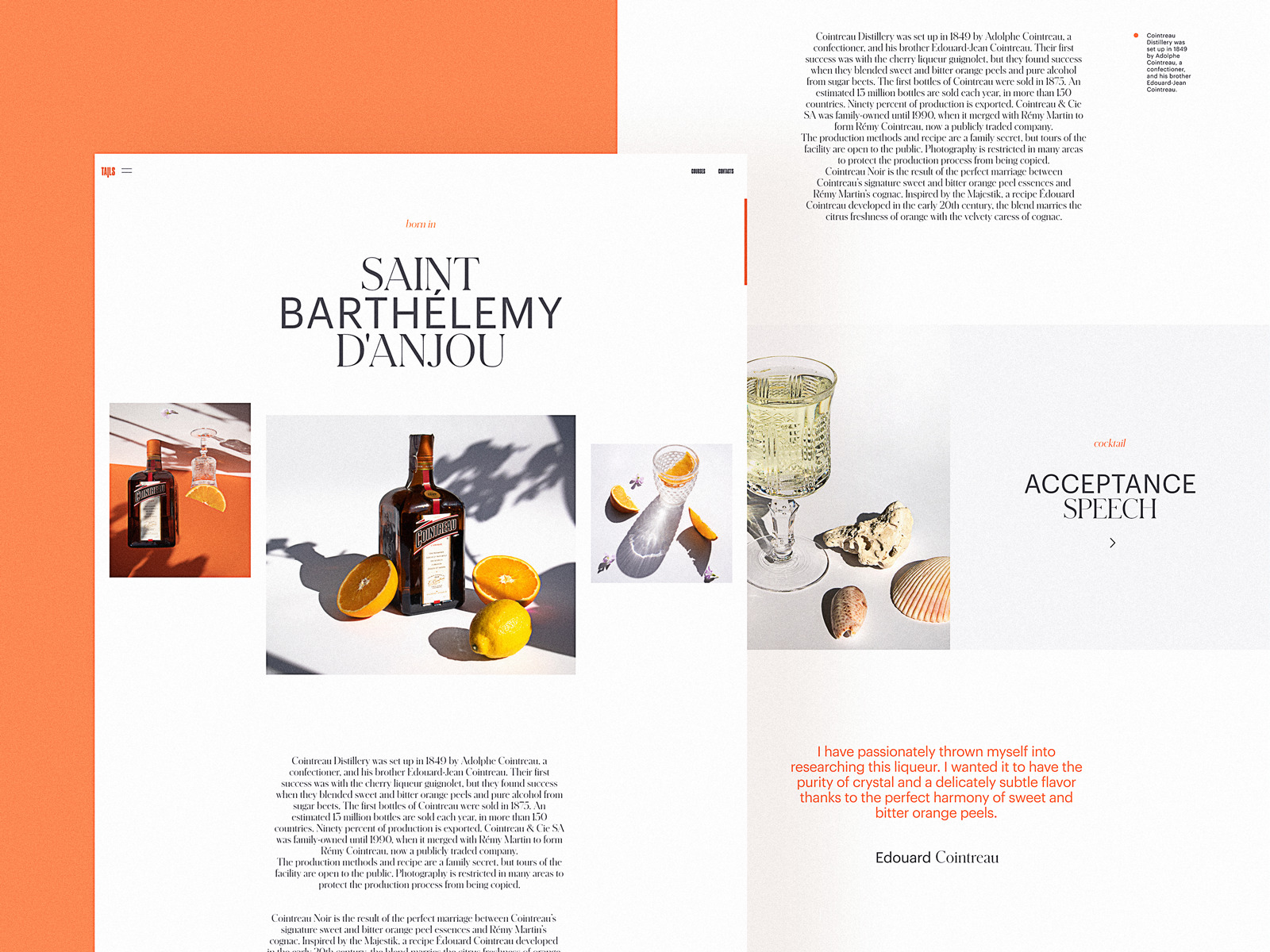
Bartending Encyclopedia Website
Directory websites will remind you of Yellow Pages in their web version. They are large lists or catalogs of data organized around a single area or theme (e.g., all schools in a particular city).
Video (Streaming) websites are all based on video content: these may be online TV services or streaming platforms.
Crowdfunding websites are used to raise funds for various goals, from charitable initiatives to startup investments.
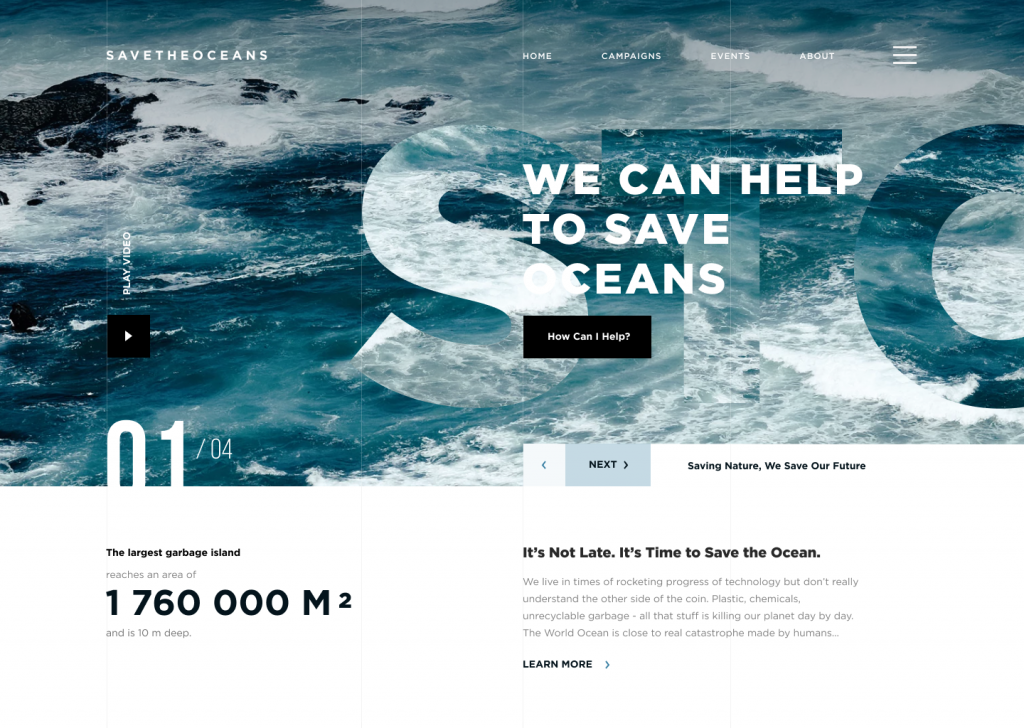
The example of a charity website raising money for saving the oceans from pollution
Communication (Social) websites aim to provide a platform for people to exchange opinions and share thoughts. Messages may vary in length (from short tweets to long reads on Medium), as well as key content, themes, and social grouping. However, social networking websites are created not for self-presentation but for communication and are usually based on user-generated content.
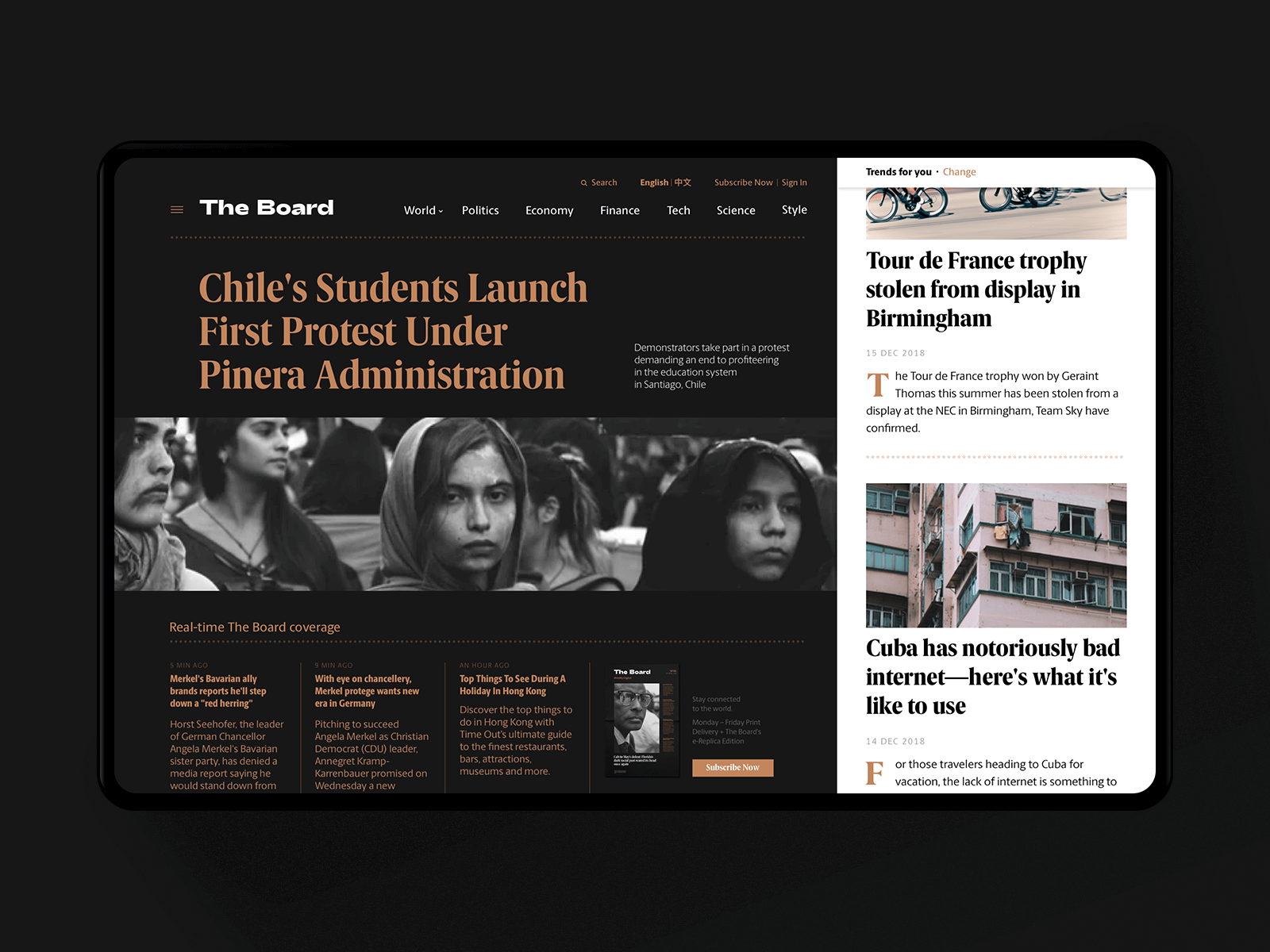
News websites are a kind of online magazine or newspaper. Their goal is to inform users about the latest news and events. These resources may be either universal (covering multiple directions and themes) or specific (design news, fashion news, economic news, and so on).
Responsiveness
It’s well known that people are doing more and more things with their mobile phones than with PCs or laptops. That allows them to do many things on the go, so today users expect a respectful attitude from website creators. Being designed and developed for computers, websites have to be adapted to effective performance on mobile devices of different sizes and operating systems. Recognizing the big role of mobile adaptation, Google announced that it is one of the core characteristics influencing the website ranking in the search engine. From this perspective, there are three major types of websites.
A static website uses the same pages and layout for all devices and isn’t optimized. It means that if you open it on a smartphone, you will need to zoom it manually, which is not really convenient. Although they may be faster in the aspect of webpage loading speed, even this factor cannot overcome the discomfort people feel zooming in on the pages on the screen to read or tap the button. With more than 50% of search requests coming from mobiles, having a static website is a risk to lose a big part of the audience.
The Fluid (Liquid) website maintains the same page proportions across devices. It means that the elements of navigation and interaction will take the same relative amount of space, regardless of the size of the screen.
A responsive website features the highest level of adaptability. It is completely optimized for different aims, which means that on various devices, it will look different. This approach takes more time and effort but makes navigation much more intuitive, showing the key interactive elements properly, regardless of the device. There is no need to say that this adaptation is the most user-friendly.
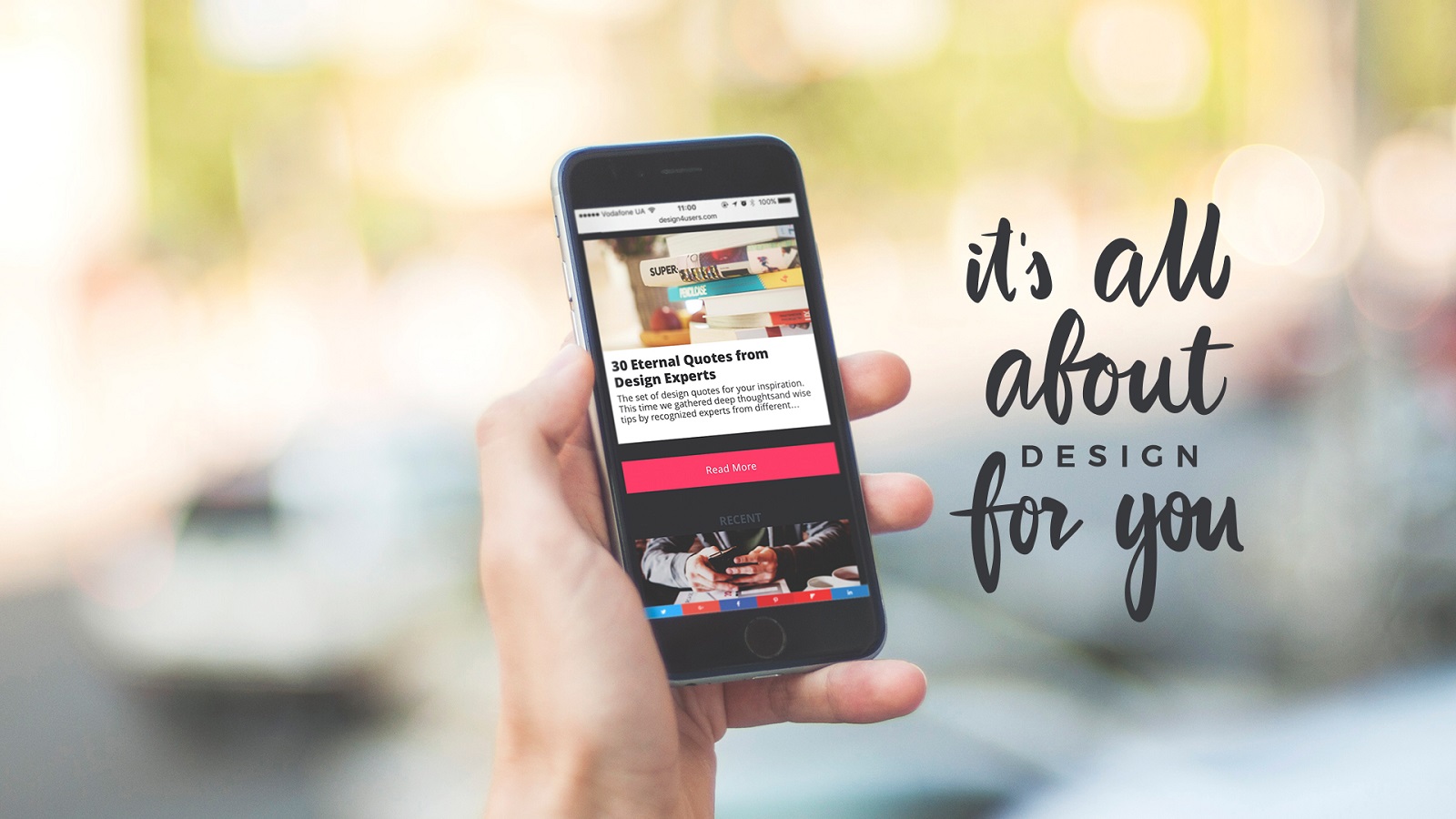
Design4Users Blog mobile adaptation
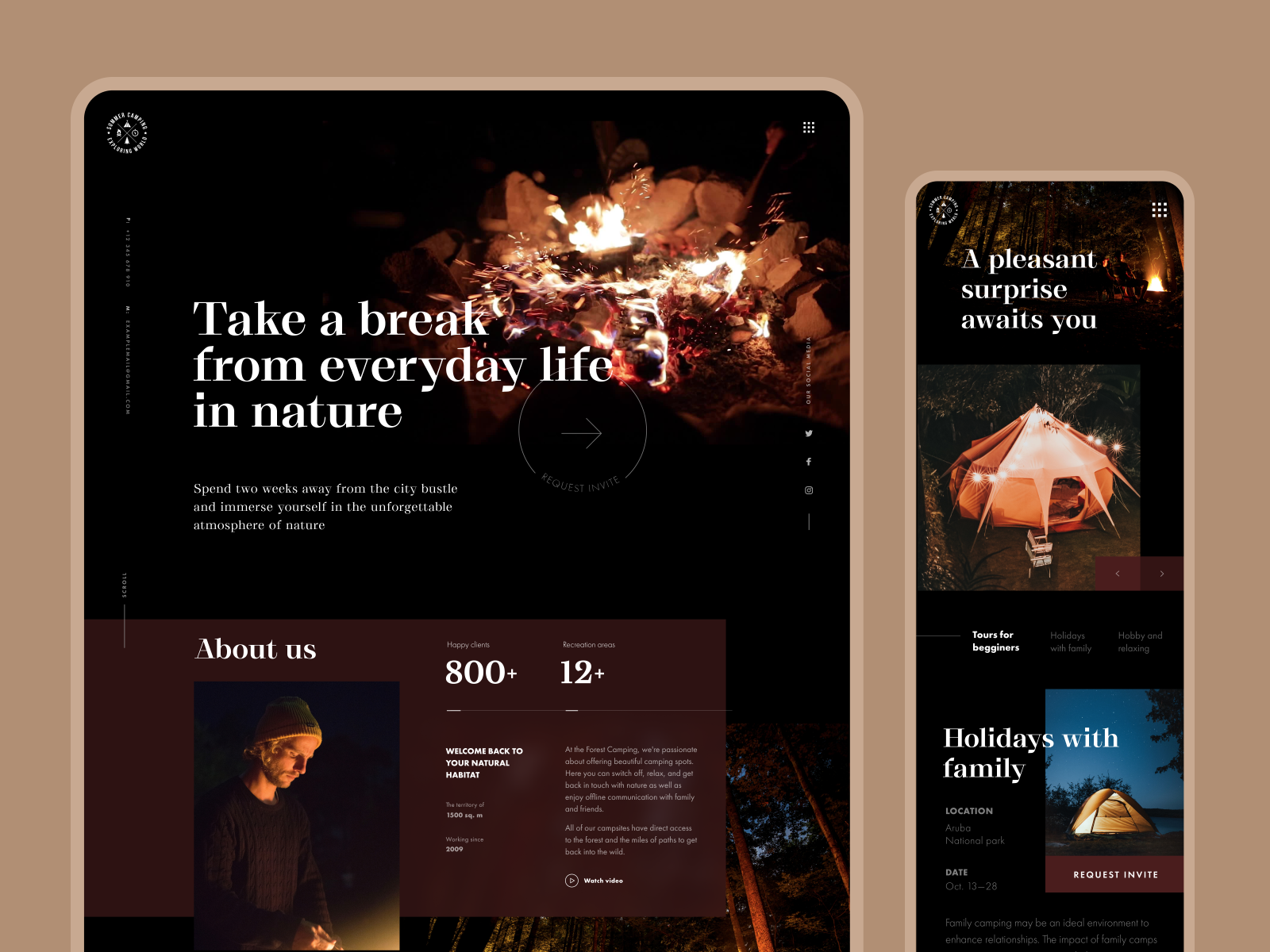
Mobile adaptation for the Forest Camping website
What Is Blog? Is It a Type of Website?
The short answer to this FAQ: yes and no. That’s because the word “blog” is used in two different meanings today.
Basically, a blog is a type of website devoted to providing information or discussion on particular topics. It is a kind of journal or diary people keep online, sometimes just sharing their thoughts or expertise and also inviting readers to discuss the problem in comments. With a variety of blogs today, you may find the personal and professional ones, some of them will be devoted to daily life while the others will cover narrow themes or areas. Bloggers share posts that become the basic content around which the website performs. In this case, the answer is – yes, a blog is a type of a website.
Nevertheless, in the last decade or two, the situation has evolved. In most spheres, competition is extremely intense on the Web. To remain above the ocean and achieve high search engine rankings, websites must not only comply with technical and design requirements but also continually update their content. This is when blogs have come into play. Now, you can find blogs incorporated into e-commerce and corporate websites, educational platforms, and portfolios. This is the case when the answer is no: a blog is not a type of website; it is a part of the website that presents interesting news and articles about the website’s theme.
Whatever the aim and idea behind a website, users expect value from it. Even the best design and perfect content performance will not work if the website isn’t somehow useful for its target audience. But if it does support users with a valuable idea, helps to solve their problems, and satisfies their needs, a thoughtful design that corresponds to expectations for this type of website will let the content shine.
Useful Articles
Here are some helpful posts about other aspects of web design.
Best Practices for Website Header Design
The Anatomy of a Web Page: Basic Elements
Negative Space in Design: What It Is and How To Use It
UX Design Glossary: Affordances in User Interface
Light or Dark UI? Tips to Choose a Proper Color Scheme
Handy Tips for Home Page Design
Design Strategies for Profitable Landing Pages
Effective Tips on Visual Hierarchy
Originally written for Tubik Blog
 https://design4users.com/types-of-websites/
2026-01-09
© by
Marina Yalanska
,
https://design4users.com/types-of-websites/
2026-01-09
© by
Marina Yalanska
,
- English
- Ukrainian