
Aesthetic Usability: How Beauty Improves User Experience
Aesthetic Usability: How Beauty Improves User Experience Let's discuss the role of beauty in user experience design: what the aesthetic-usability effect is and how it makes both users and businesses happy.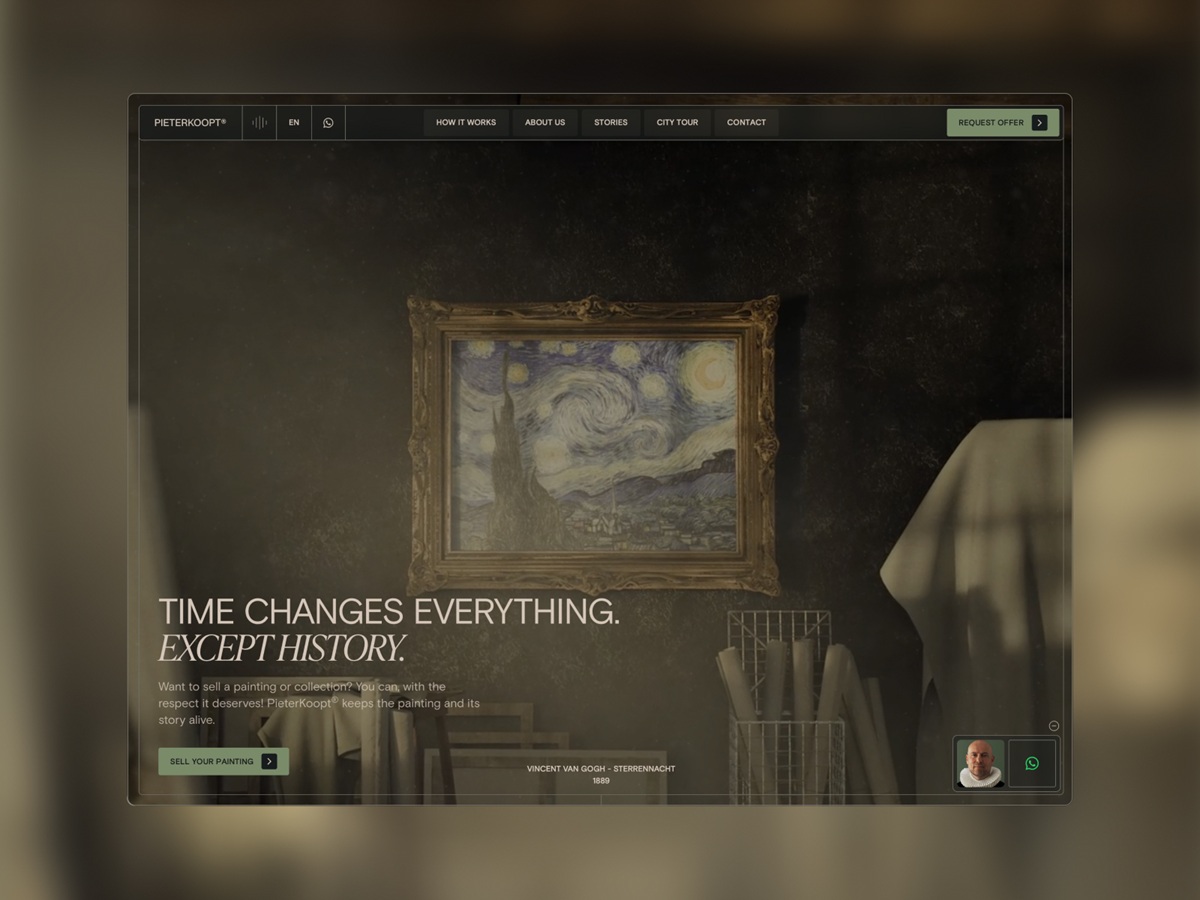
What is design? In a nutshell, it’s the way to solve people’s problems and satisfy their wishes, employing logic and beauty. In this article, we will discuss the role of beauty in user experience design: let’s check how it makes both users and businesses happy.
Why Beauty Is Important for Design
We often hear that the functionality of a digital product is a priority for users, and that’s true. The website or mobile application should solve their problem effectively, easily, and intuitively. But what happens next, when the product is not the only one, not something exclusive and unique anymore, and natural competition comes into play? People start to look deeper and strive for more. They add aesthetic pleasure and emotional appeal to the list of their wishes. And between two equally good functional products, in most cases, the user will choose the beautiful one.
Based on the hierarchy of needs, the higher people get, the more sophisticated and intellectually driven their choices become. Education and income level engage them in thinking beyond functionality; except for it, users strive for harmony and aesthetics. So, the role of beauty gets higher.

Maslow’s pyramid, demonstrating the hierarchy of needs
Here are a bunch of reasons why beauty works that way in user experience design:
- It makes design emotional, aka human-like
- It keeps the connection of digital things with the real world
- It supports usability
- It satisfies the aesthetic needs
- It unites different things with one style
- It lets the product stand out from the competition.
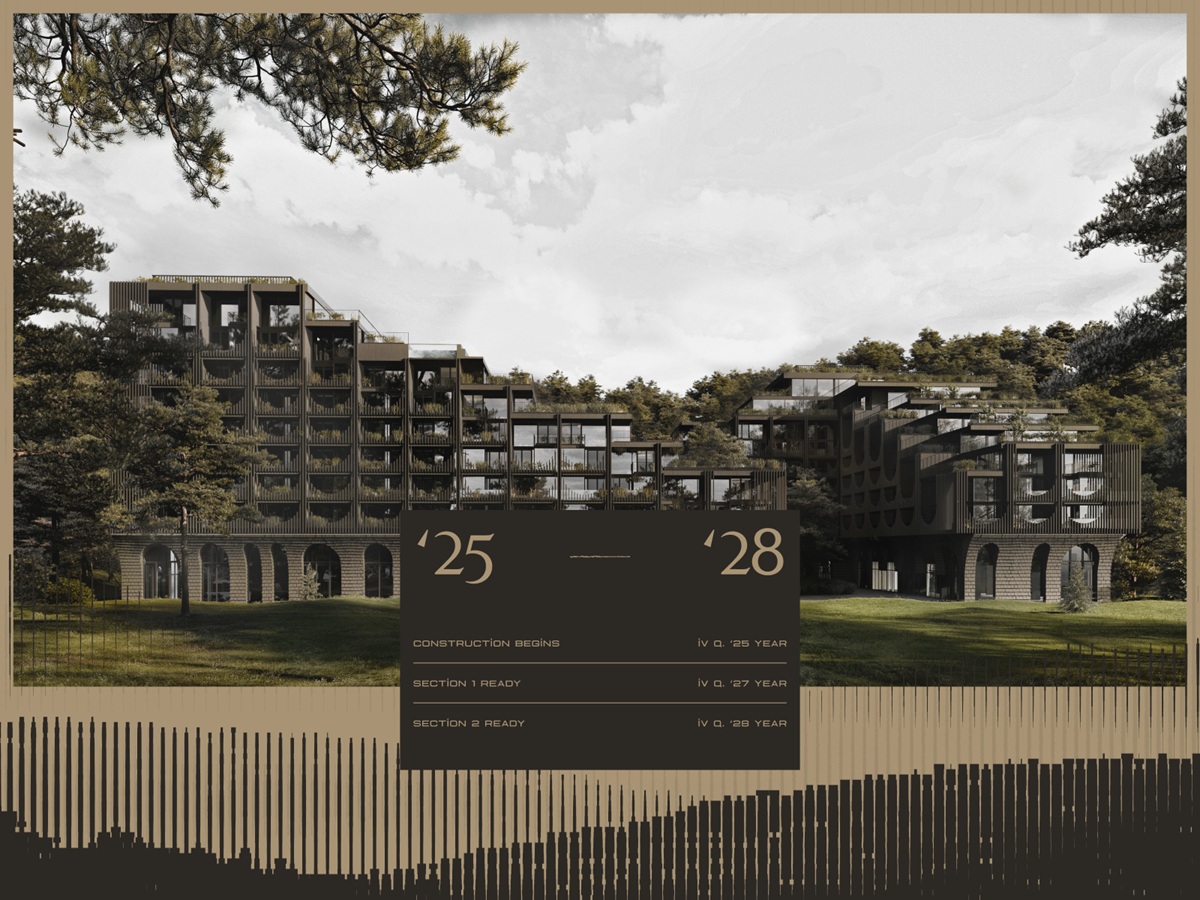
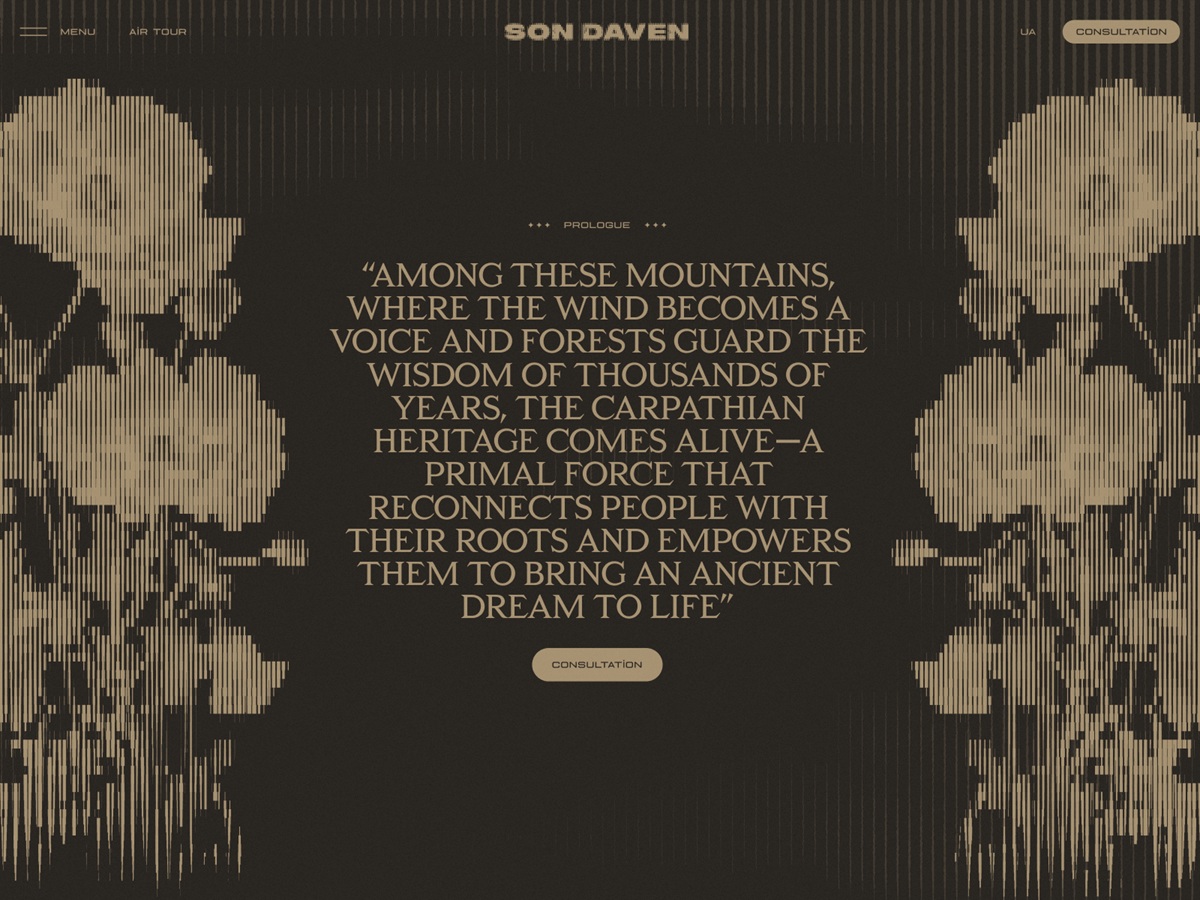

Stylish Son Daven website by TheFirstTheLast
Beauty and aesthetics are the solid bridge between the past, present, and future of design. Today, new layouts and graphics are based on the rich heritage of the world’s culture collected over hundreds of years. Modern designers and artists rework it with a touch of trends and innovation, building a new chapter in cultural history while preserving the work of the best artists across generations. That’s when art and aesthetic appeal serve the design purpose. We aren’t reinventing the wheel – we are making it modern and letting it solve people’s problems.
However, we should think deeper. “When you start your next design project, keep this principle in mind: people will forgive shortcomings, follow your lead, and sing your praises if you reward them with positive emotion,” Aarron Walter mentioned in his book, and in his idea, we only get not only proof of the aesthetic and emotionality importance but also a hint of being reasonable with the limited nature of these effects. The digital product’s beauty and emotional appeal will help users interact with it more easily, trust it faster, and be more tolerant of minor issues. But they will not help with major problems if the product has them.
Aesthetic-Usability Effect
Gurus of user experience design, Nielsen Norman Group, describe it as a phenomenon of the aesthetic-usability effect. It refers to users’ tendency to perceive attractive products as more usable. People tend to believe that things that look better will work better, even if they aren’t actually more effective or efficient. This effect is a significant reason why a good user experience can’t just be a functional UI — designing an interface that’s attractive, as well as functional, is worth the effort.
In the practice of human-computer interaction, it was first studied in 1995 by the Hitachi Design Center. Researchers Masaaki Kurosu and Kaori Kashimura tested 26 variations of an ATM UI, with 252 study participants, asking them to rate each design on ease of use and aesthetic appeal. Having analyzed the results, they discovered a correlation between the ratings of aesthetic appeal and perceived ease of use more evident than the correlation between the ratings of aesthetic appeal and real ease of use. Therefore, studies concluded that the powerful impact of the aesthetics of any interface is made on users, even when they try to evaluate the system’s functionality.
Based on that, let’s consider the influence of beauty on UX goals. There are 4 fundamental aspects of UX design, and attractive appearance and visual harmony present the factors that empower all the points.
Usability means the product works and users understand how it works.
Accessibility allows the interface to work for different people with different abilities and across various devices.
Utility means that it solves the problem.
Desirability means it’s pleasurable and makes users happy.
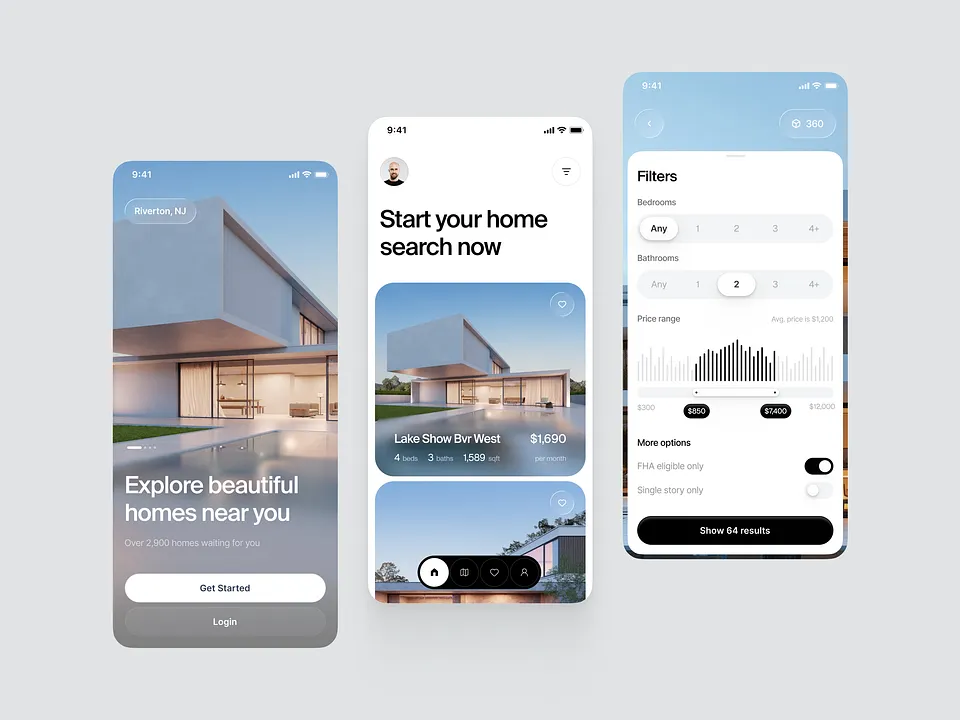
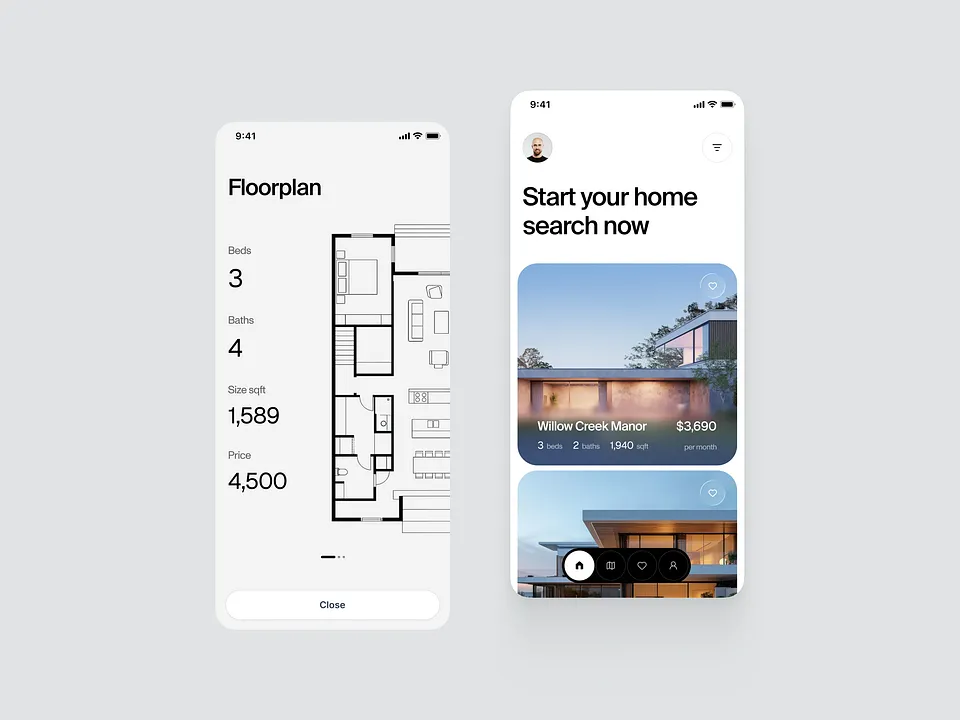
Real estate application design by Robert Holesinsky
Business Goals
However, companies that launch new products or improve well-known ones must think from a different perspective. It operates via various financial factors, conversions, sales, and all the other business stuff.
Does beauty on the screen influence their business goals? Yes, indeed. Color theory and psychology, harmony on the screen, readable text content, and attractive images are essential not only for making users happy, but also for getting the website to sell and making businesses happy.
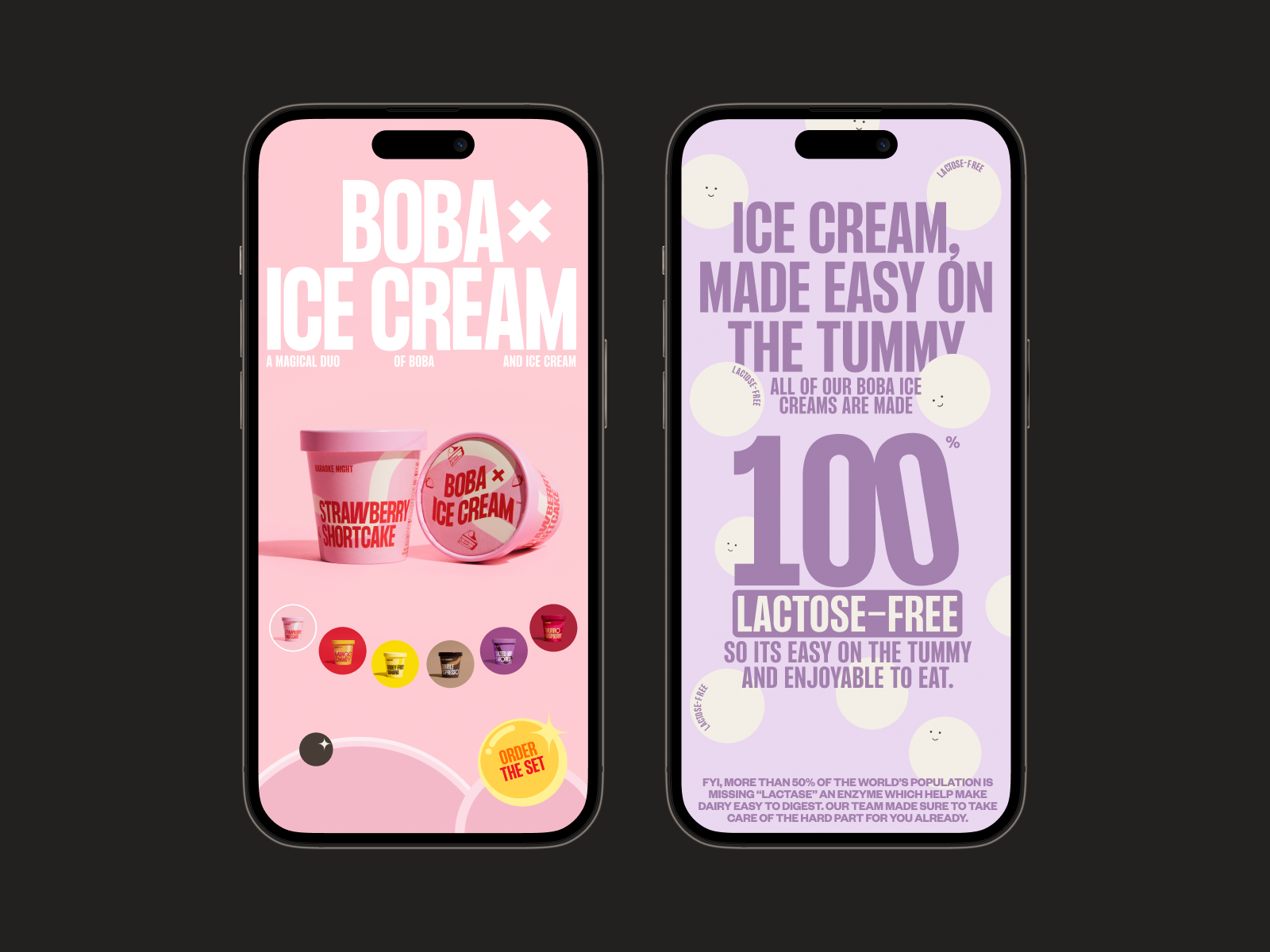
A bright and catchy website for an ice-cream brand by Synchronized uses bold typography, captivating web animation, and branded visuals to shape the emotional tone and aesthetic of the product presentation and to inform users about its benefits.
Elements of UX Aesthetics
Different elements allow beauty to be integrated into user interfaces and build its aesthetics, among them:
- Typography
- Layout
- Photos
- Illustrations
- 3D graphics
- Animation
- Video
- Characters
All these elements shape the aesthetics of interactions and directly impact a positive user experience. Let’s check some practical examples below.
Decathlon-Quechua Lookbook website employs atmospheric photo and video content, immediately setting emotional connection with customers.
Mysterious and captivating Obsidian Assembly website by Fiddle Digital
Elegant and sleek design for Mason’s ecommerce website by Evolve
Impressive design for PieterKoopt website by Uncommon
Consistency
Another core point from the aesthetic-usability effect lies at the crossroads of UX and business—it is consistency. As Jacob Nielsen said, “Consistency is one of the most powerful usability principles: when things always behave the same, users don’t have to worry about what will happen.”
In fact, it goes far beyond interactions. It also helps build a strong brand. Logos and branded items, websites, apps, emails, and social networks—each and every touchpoint of the product with its user should follow one general idea and set of values and be packaged in a consistent and integral style.
It works when you decide on the system, limitations, and rules, when you choose what can be done with a brand image and, even more importantly, what can’t be done. For example, let’s take IBM design language or Material Design principles. They define how the elements should look, how the interactions should be built, and even how the interface copy should be written. What’s more, their principles answer the more profound question: why it should be done that way.

Playful and artistic website design for Continental Shoppe by Zeitler Design consistently reflecting the brand style


Functional and consistent web presentation of Biologica brand by Manufactur
Globally, all the design solutions should answer one question: why? World-famous leadership expert Simon Sinek says, “People don’t buy what you do; they buy why you do it.” And what you do proves what you believe. That’s what makes products and services consistent and inspiring. All our decisions should start with “Why,” which will form how to talk to the user, whatever the source of communication. Whatever the connection point with the brand, you should be sure what communicates with you. That builds the feeling of trust and strengthens the brand, and that is where beauty helps make the user experience more solid and helpful.
Useful Articles
Here’s a bunch of articles to dive deeper into the theme of usability and user experience design.
5 Basic Types of Images for Web Content
The Anatomy of a Web Page: Basic Elements
How to Design an Effective Home Page
How to Design Effective Search
How to Make Web Interface Scannable
Directional Cues in User Interfaces
Negative Space in Design: Tips and Best Practices
 https://design4users.com/aesthetic-usability/
2026-06-11
© by
Marina Yalanska
,
https://design4users.com/aesthetic-usability/
2026-06-11
© by
Marina Yalanska
,
- English
- Ukrainian