
Identity Design: 5 Basic Types of Logos
Identity Design: 5 Basic Types of Logos The article describing different types of logos and basic features of the efficient branding symbol. Packed with various logos by Tubik Studio designers.
It is not a secret that people are mostly visual creatures. They are often driven by what they see faster than by any other sense. That is why an effective visual identity is so important for making a company, brand, or service quickly recognized and remembered over time. Investigations of the way to prosperity and fame of the most successful businesses will inevitably prove how vital it is to choose a good representative sign, which is well-known as a logo, and which is always the basis of the whole branding strategy.
We have already published several case studies showing the process of logo creation in detail and also provided deeper considerations on correlations of branding and user interface design. Today, using the background of diverse practical experience, let’s get deeper into types of effective logos illustrated with Tubik team designs.
What is a logo?
According to Merriam-Webster, a logo is “a symbol that is used to identify a company, and that appears on its products.” Even this quite broad definition contains the obvious message: the logo somehow becomes the first visual association that is brought out when people think of or hear the name of the brand. As any other visual element, the logo itself can contain and transfer the message about the nature of goods or services presented by the brand, the tone, and voice of the company’s communication with the customers, and the general brand image.
Logo design usually becomes the basis for the whole brand strategy which is often fixed in a special set of rules and guides about the brand strategy called a brand book. An efficiently designed logo can definitely increase the recognizability of the brand or company which enables the business to achieve its goals, be it selling more goods, involving more customers, getting more subscribers, or obtaining wider recognizability. In addition, a logo is a sign that makes the product or service different from its competitors which is also an important pre-condition of the company’s fast and successful development.
Most logos look like a simple sign and that makes people think the process of its creation is fast and simple, not needing too much effort or special skills. And that is quite a mistake. Efficient logo design is a complex strategy that includes all the stages of the design process and marketing process such as:
- user research,
- marketing research,
- creative search,
- choice of style direction,
- choice of color palette,
- testing in different sizes and environments,
- creating a style guide setting right and wrong cases of logo use etc.
That is why a great deal of companies including startups, which only start their way in the sphere of business, prefer to trust this essential task to professional designers. Practice shows that the logo thought-out to the slightest details is the worthy investment.
Types of logos
Historically, companies have experimented with different visual elements to strengthen their branding: some preferred images or mascots as the primary attention-grabber, while others favored lettering that immediately signaled the brand name. Over the decades, designers have identified five basic types of logos.
Icon/ Symbol
The logo of this type is represented with the visual element of high symbolic potential. The image can represent the company name, its mascot, or a sign that symbolically conveys the nature of the product or service.
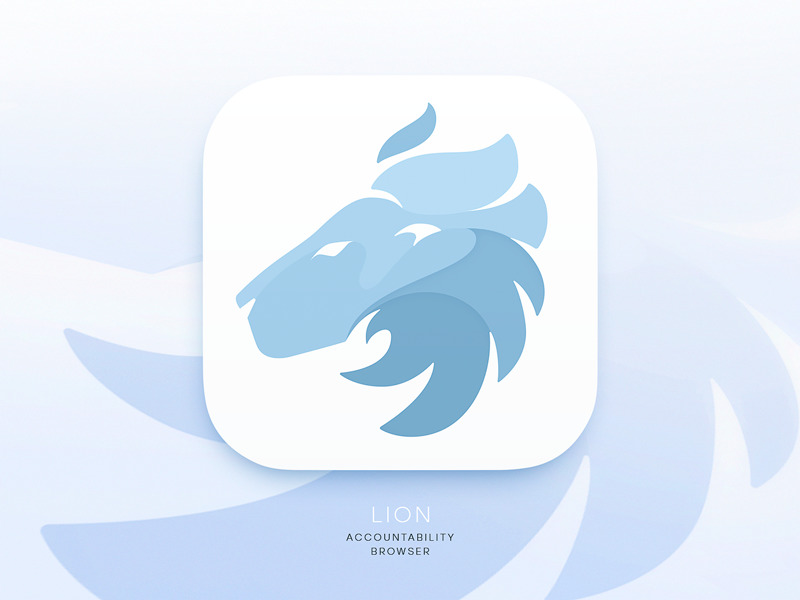
Lion browser icon
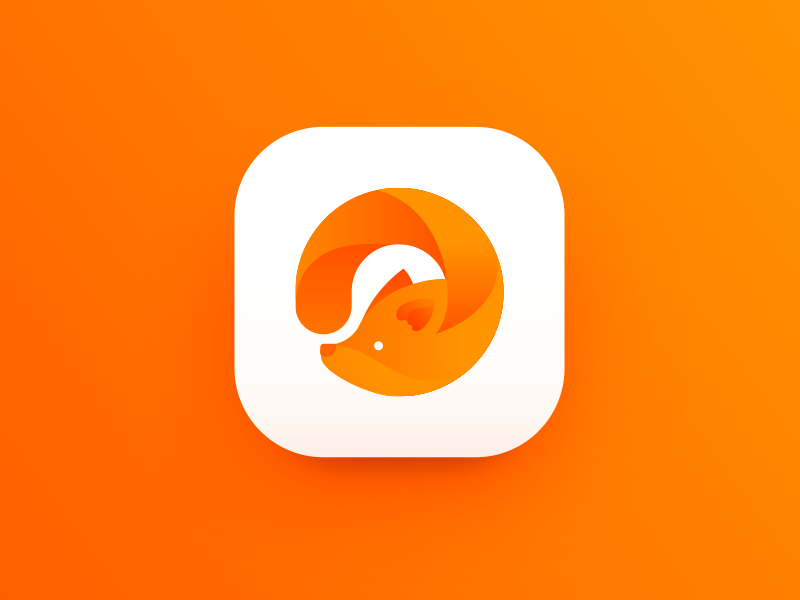
fOxygenic logo
Saily logo
Elephun Logo
Logotype/ Wordmark
This is a widely used type of corporate identity mark, characterized by artistic lettering that displays the brand’s full name. It is well known that different typefaces and fonts can immediately convey messages and whole stories to readers, and this technique is frequently used by logo designers and marketers.
Ribbet wordmark
Toonie wordmark
Lettermark
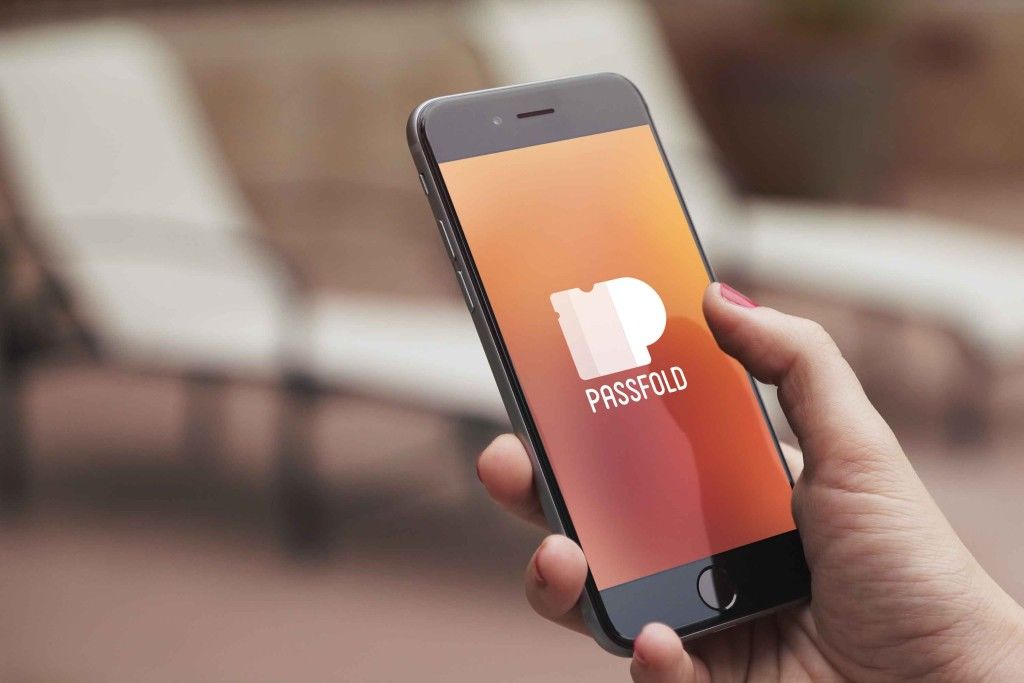
This type of logo uses technology similar to the previous one but displays only the first letter of the brand name in an artistic manner. This sort of logos is often effective in small sizes, for example, app icons, when reading the whole word is difficult. However, they need special attention in the aspect of originality and recognizability as it can be a complex task to make this one letter different from the other same letters representing other brands.
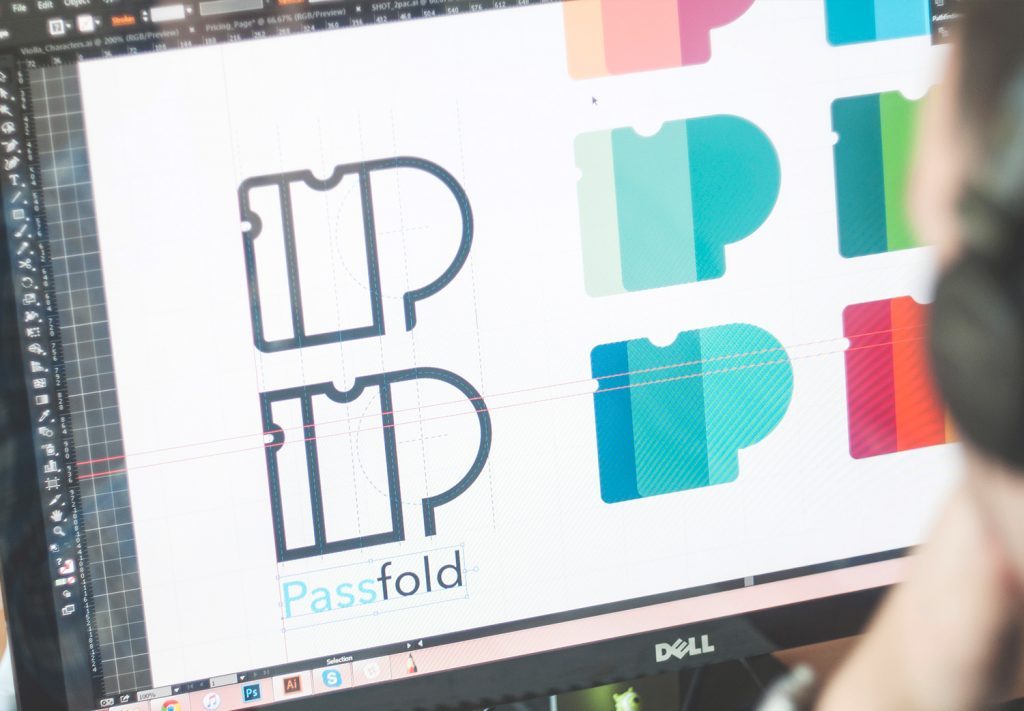
Passfold logo
Combination mark
A combination mark is usually the logo that combines two techniques: a symbol or lettermark and a wordmark. In this case, observers receive two sources of information: they can see the image and read the word that represents the brand identity.
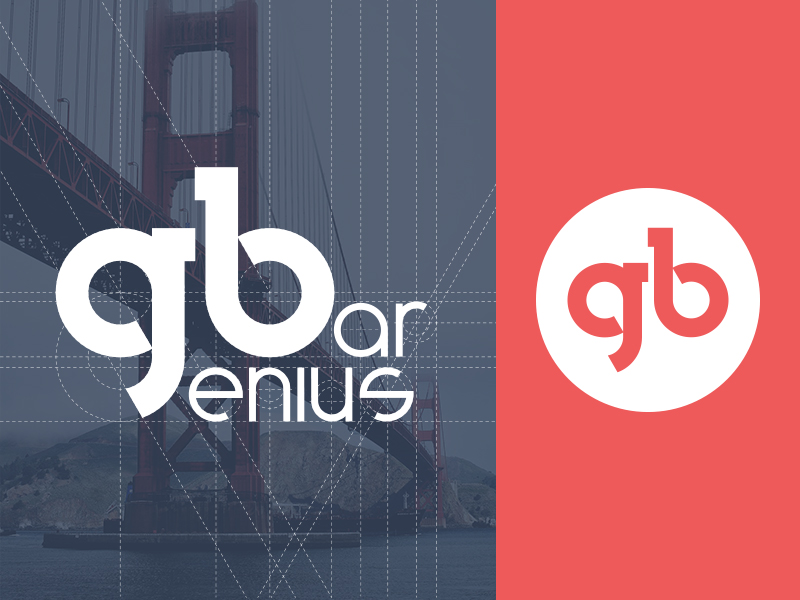
Genius bar logo
Andre logo: different variants of lettering placement
Swiftybeaver logo
Emblem
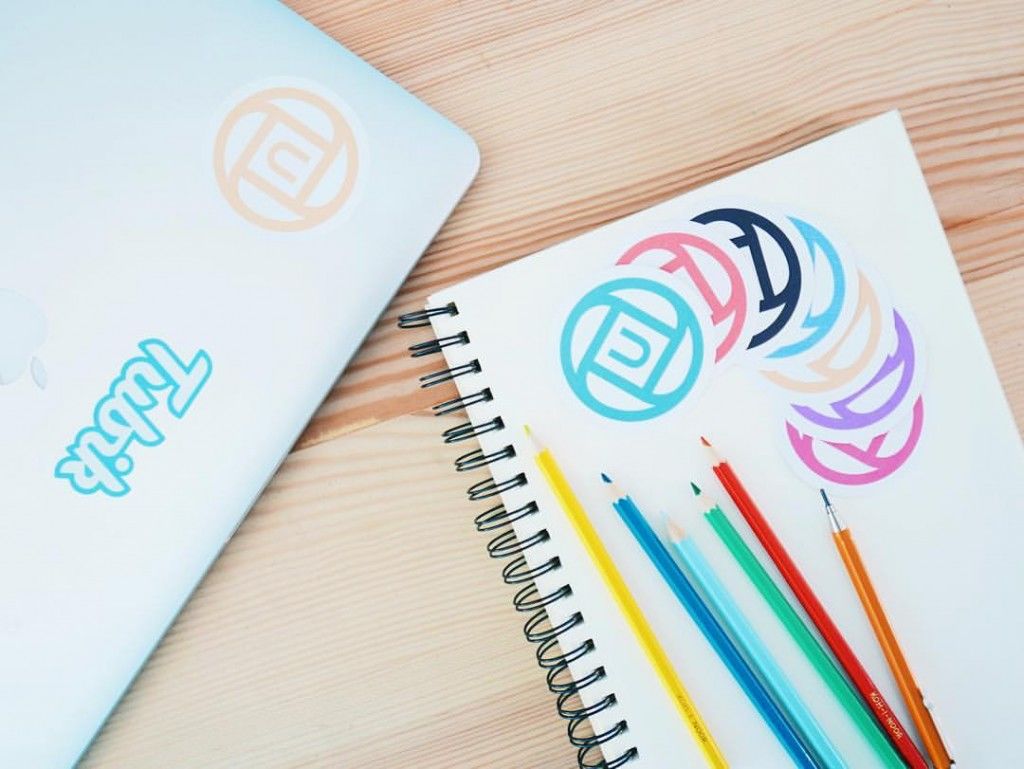
This also combines visual elements. The difference of this logo kind is that it inscribes the wordmark or lettermark presenting the name of the brand into the symbolic image instead of placing it over, under, or beside the symbol as it is done in the previous case. The logos of this sort, when created thoughtfully, feature the integral and compact identity sign. The Design4Users logo is accomplished in this style.
Features of an effective logo
Whatever the choice of the creative direction in the logo design for a particular brand, any logo should include a basic number of efficiency features:
- simplicity
- originality
- versatility
- recognizability
- consistency of use
- appeal to the target audience
- informativeness
- memorability
- longevity
Logo design for Passfold
The provided set of logo design features doesn’t look simple to combine into one sign. That is why this job is advised to be done by professional designers. Even minor inconsistencies, inappropriate color combinations, illegible small-type lettering, and numerous other invisible mistakes can significantly reduce profits and customer trust in the brand. A logo is the sign that can connect or disconnect customers and sellers in split seconds, so its creation is definitely food for thought and an object of thorough attention.
Originally written for Tubik Blog
Useful Articles
Here’s a bunch of articles to dive deeper into the theme of usability and user experience design.
5 Basic Types of Images in Web Design
The Anatomy of a Web Page: Basic Elements
6 Elements of Efficient Company Website Design
UX Practices on Product Page Design
How to Design Effective Search
Web Design: 17 Basic Types of Web Pages
Guide to 6 Effective Types of Web Animation
Directional Cues in User Interfaces
 https://design4users.com/identity-design-5-basic-types-of-logos/
2026-01-12
© by
Marina Yalanska
,
https://design4users.com/identity-design-5-basic-types-of-logos/
2026-01-12
© by
Marina Yalanska
,
- English
- Ukrainian