
Design for Diversity of Cultures: Perception of Colors
Design for Diversity of Cultures: Perception of Colors The article giving insights into the issue of color choice for design projects in the perspective of cultural background and different color associations.
The user-centered design approach prompts designers to reconsider their work and deepen their understanding of the target audience. That’s why designers are recommended to learn some basics of human psychology so that they could comprehend users’ behavior and motivations. One of the branches helping to understand users better is color psychology, studying the impact colors make on human mood and behavior. Each color has its meaning and special influence on people. The properly selected colors for the design can put users in the frame of mind that compels them to take action.
The meaning of color can vary depending on the target audience’s culture. Moreover, sometimes one color may have absolutely opposite meanings in different countries. This is the reason for designers to acknowledge the specialties of a culture’s color perception while creating the design for a foreign country. Today, we’ll examine the meanings of basic colors and how they are interpreted across cultures.
Western Culture
Western culture is widespread around the world, including European countries, the USA, and Canada. Many historical events have united these far and different countries into one big culture. The color meaning in Western culture was based on some common traditions and beliefs.
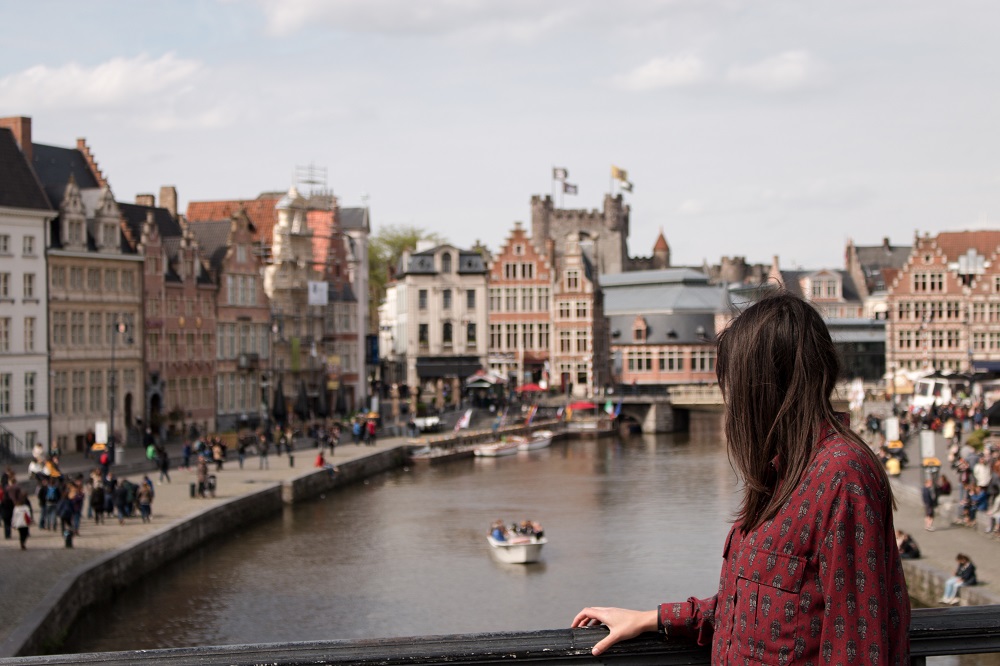
Here is the list of the basic colors and the meanings that they are typically associated with.
Red. The color is usually associated with passionate, strong, or aggressive feelings. It symbolizes both good and bad feelings including love, confidence, passion and anger.
Orange. An energetic and warm color brings feelings of excitement.
Yellow. This is the color of happiness. It symbolizes the sunlight, joy, and warmth.
Green. The color of nature. It brings calming and renewing feelings. Also, may signify inexperience.
Blue. It often represents some corporate images. It usually shows calm feelings but as a cool color, it also associates with distance and sadness.
Purple. Long associated with royalty and wealth since many kings wore purple clothes. It’s also a color of mystery and magic.
Black. Color has numerous meanings. It is associated with tragedy and death. It signifies a mystery. It can be traditional and modern. Everything depends on how you employ it and which colors go with it.
White. The color means purity and innocence, as well as wholeness and clarity.
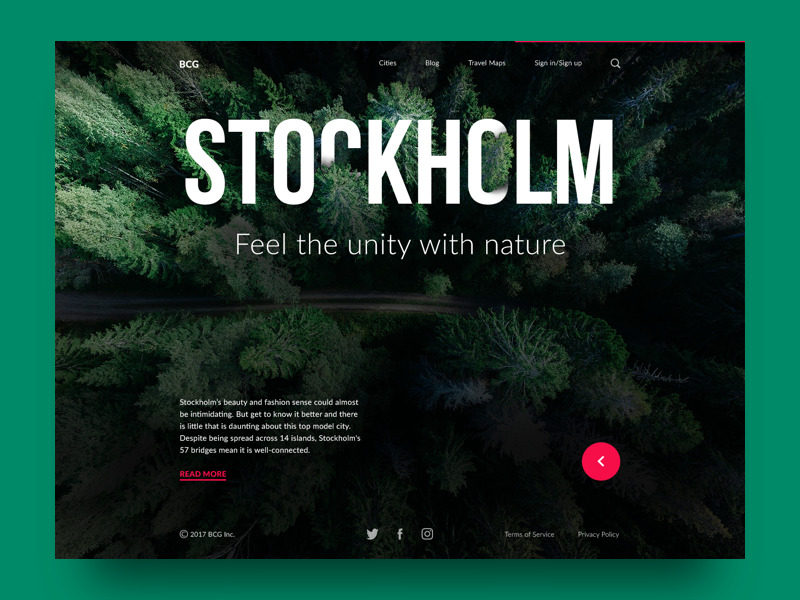
By Tubik
Eastern and Asian Cultures
East and West are two opposite points of the world, so it’s no wonder that the traditions of these cultures are often contradictory. If you are designing for Eastern countries, you should keep in mind that color meanings differ from those in the West.
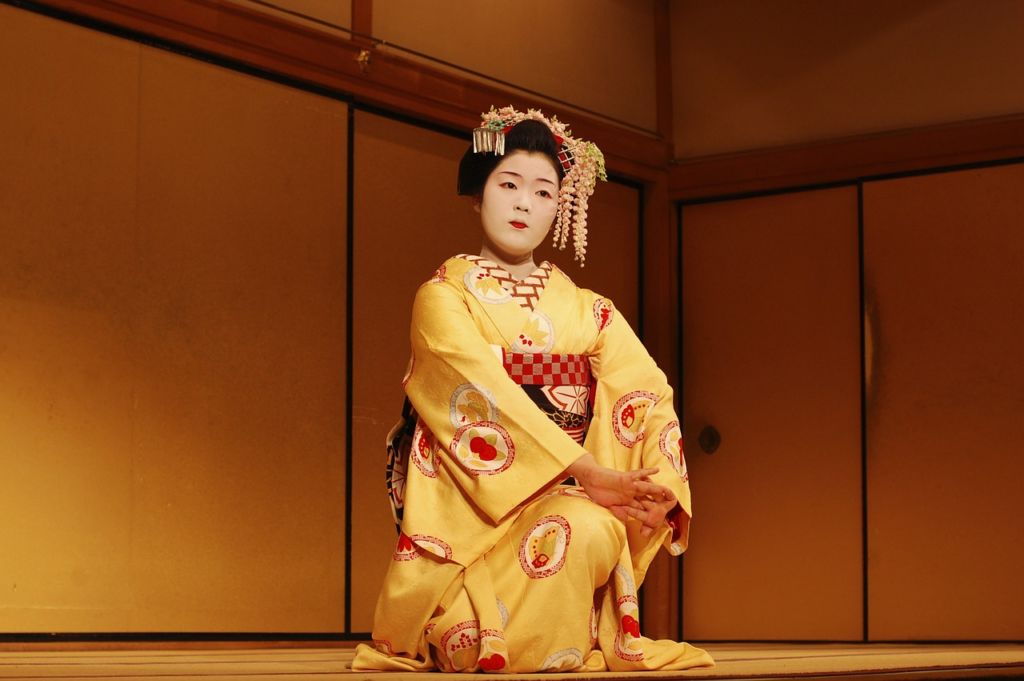
Here is the list of the basic color connotations for the East.
Red. The color is associated with Eastern countries in the first place. Red is thought to be the most positive color bringing happiness and prosperity, so it is often used everywhere in the East.
Orange. It is a positive color as well as the red. In many Eastern countries, orange symbolizes courage and love.
Yellow. It associates with things like being sacred and independent.
Green. The color believed to bring health and eternity (religious).
Blue. In Eastern Culture, it represents wealth and the betterment of self.
Purple. Similar to the West, it is associated with wealth, nobility, and royalty.
Black. In many Eastern countries, it is the color of health and prosperity. However, in Thailand and Tibet, black is the color of evil.
White. Unlike Western culture, white is linked to death and mourning. People wear white clothes for funerals.
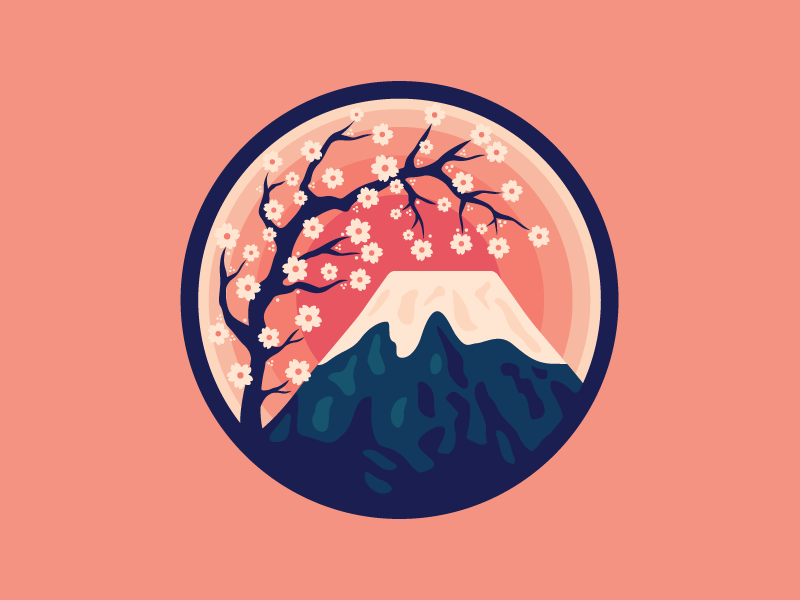
Chinese culture
China is one of the largest and oldest East Asian countries. Its nationality is rich in traditions, myths, and beliefs. There are some peculiarities in the color interpretations in China that designers should consider.
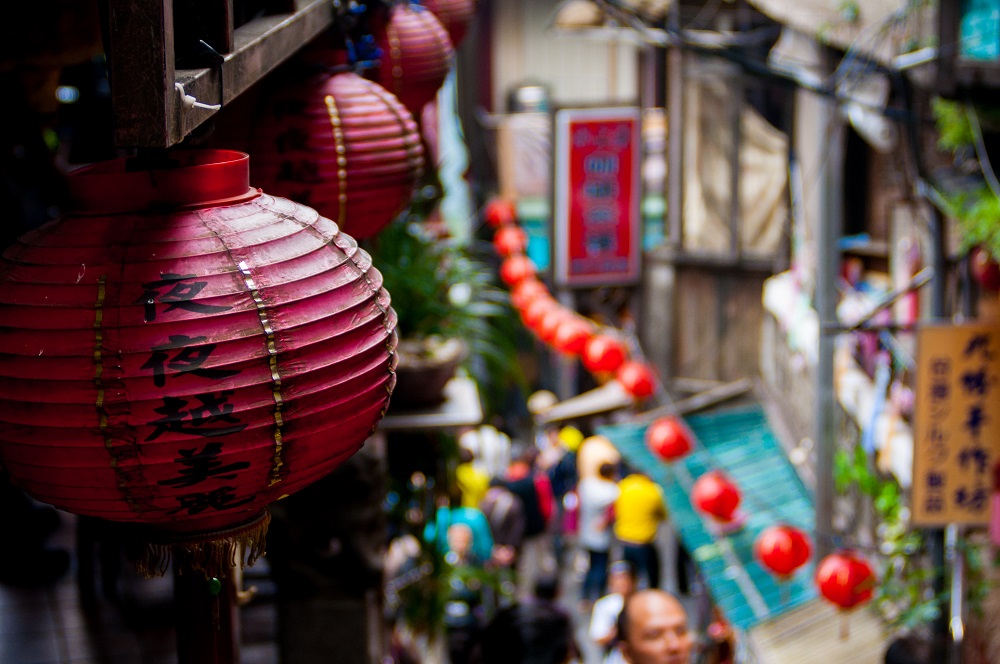
Red. It is a traditional Chinese color. People wear red on the biggest occasions, such as the New Year and weddings. Red symbolizes good luck and long life to the people.
Orange. This color is associated with good health among Chinese people.
Yellow. An interesting fact is that yellow can be associated with vulgarity. When the Chinese say “yellow picture” or “yellow book” discussing types of publications or media, it’s in reference to this type of image and websites.
Green. Hats colored green for men in China mean the man’s wife is unfaithful.
Blue. While in Western culture it is a masculine color, the Chinese consider blue as feminine.
Black. It is the color of boys in China. Black is associated with masculinity.
White. The color represents death and bad luck.
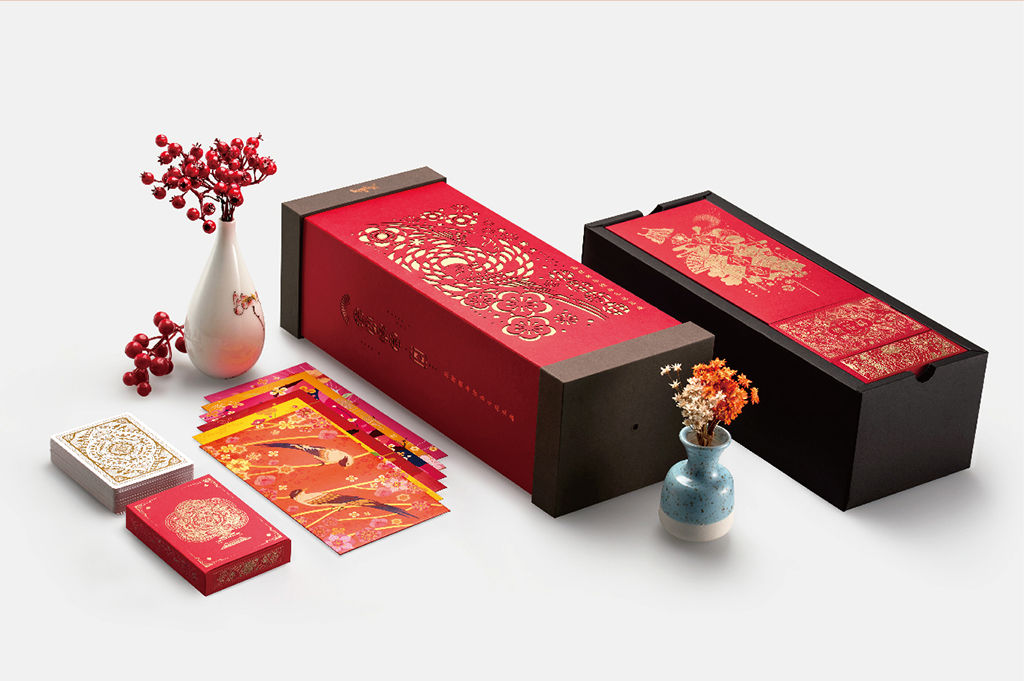
Design project by Yi Mi Xiaoxin
Indian culture
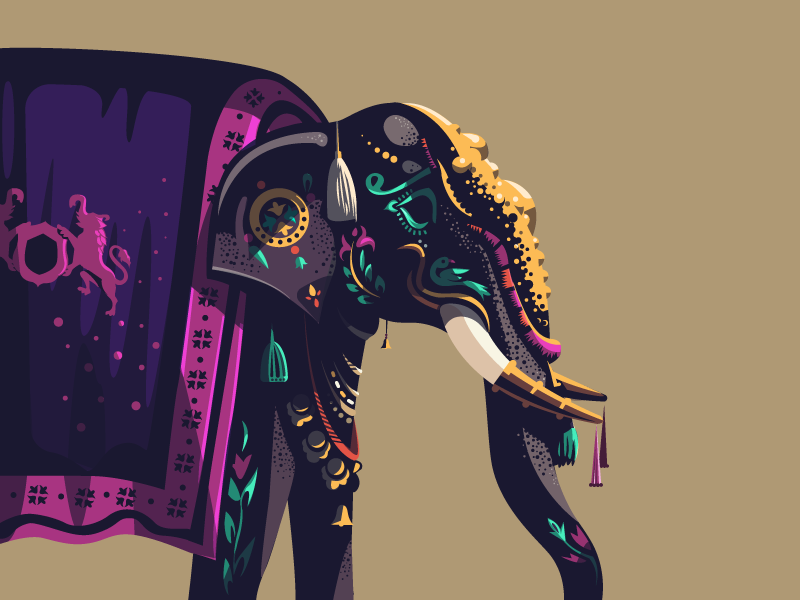
Colors have always played a large part in Indian culture and have deep significance for people. In Hinduism, colors are often related to certain gods and bring various associations. Proper use of colors is vital for Indians, as they are believed to create an environment conducive to maintaining cheerfulness.

Here are the meanings of colors in India.
Red. It’s the color of purity, so brides wear red clothes. Red is also associated with the goddess Durga who has a red tongue and almost red eyes. In Southern India, the red color stands for violence and disruption.
Orange. Orange is the most common color. Orange represents the “sacral chakra” according to the Hindus’ belief. The orange also is associated with courage and sacrifice.
Yellow. The color in the Hindu symbolizes sanctity. Yellow is also associated with the color of commerce.
Green. In India, 30% of the population is Islamic, and the green color is respected in Islam. Also, green has the connotation of a new beginning and happiness.
Blue. It is the color of Krishna, a central god in Hinduism. Blue symbolizes strength and is often used by sports teams.
Purple. It is the mix of red and ochre which symbolize wealth and nobility in India.
Black. This color is associated with a lack of desirability, negativity, and inertia.
White. Indians wear white at funerals and it’s the only color widows are allowed to wear. Similar to Western culture, it is the color of peace and purity.
Latin America
It is thought that Latin America and the USA have a lot in common since they are neighbors. Nevertheless, the only thing uniting these cultures is the word “America” in their names. The ancient civilizations and folks such as Maya and Inca have formed this culture with their myths and knowledge.
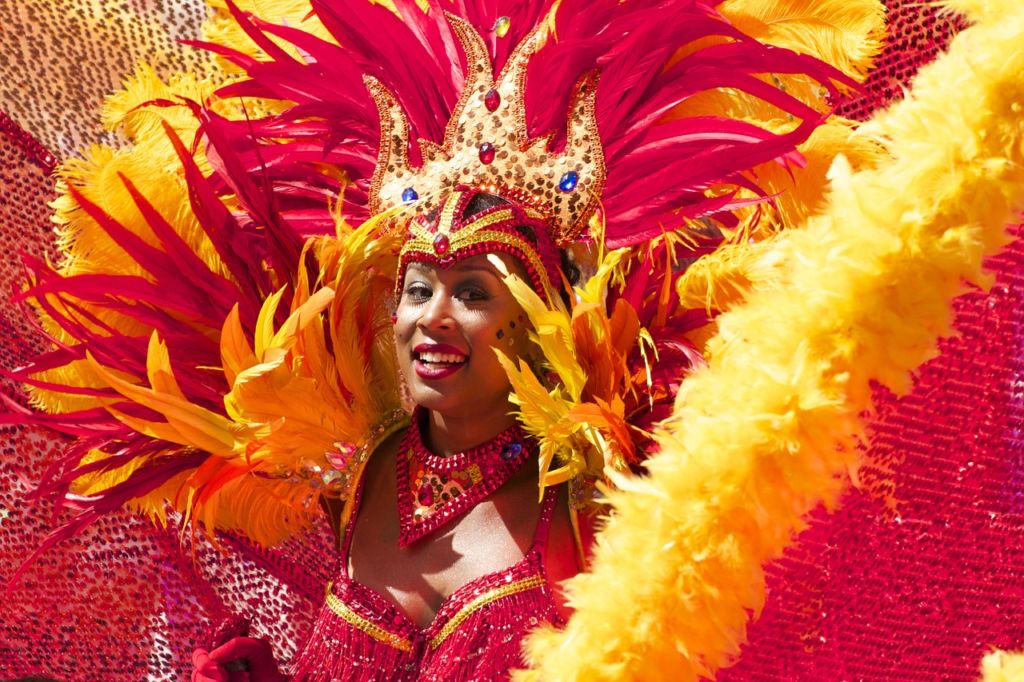
Here is how Latin Americans interpret the colors.
Red. It is often associated with war, especially in combination with black. In Mexico, red is a religious color.
Orange. It is the color of the sun and the earth (because of the reddish-orange ground color in many countries).
Yellow. In many Latin and South American countries, it is associated with mourning.
Green. The color is the symbol of nature, although in some countries it is the color of death.
Blue. For the Catholic population, blue is associated with religion (Virgin Mary’s robe and headscarf were blue). In Mexico, it is the color of trust and serenity, and, in Colombia, blue is the color of the soap.
Purple. In Brazil, purple has connotations of mourning and death.
Black. It’s the color of masculinity and it is often worn by men.
White. Similar to the USA, white means purity and peace.
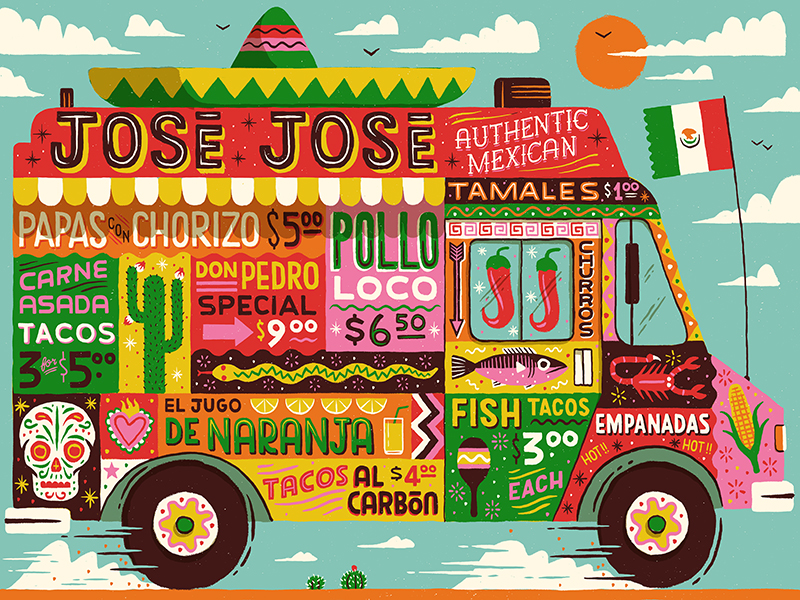
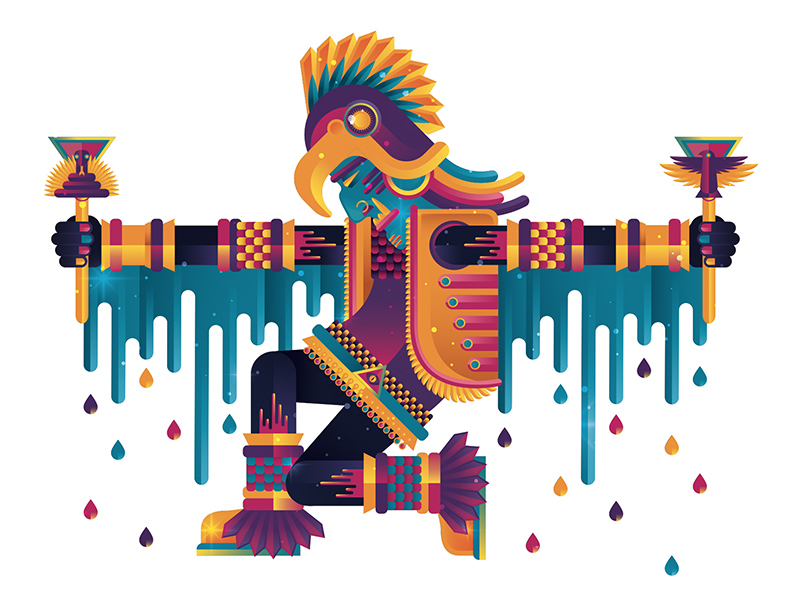
Every culture is unique and has its specialties. If you are designing for a foreign country, you should learn more about its culture to avoid misunderstandings with the target audience.
Useful Articles
Color Theory: Brief Guide For Designers
Color in Design: Influence on User Behavior
Design Tips: How to Choose Colors for Interface
3C of UI Design: Color, Contrast, Content
How Shape and Color Work in Logo Design
 https://design4users.com/design-for-diversity-of-cultures-perception-of-colors/
2026-01-12
© by
Marina Yalanska
,
https://design4users.com/design-for-diversity-of-cultures-perception-of-colors/
2026-01-12
© by
Marina Yalanska
,
- English
- Ukrainian