
Lean and Mean: Power of Minimalism in UI Design
Lean and Mean: Power of Minimalism in UI Design When less is more: the article giving insights into definition, features and benefits of minimalism applied in UI design for websites and mobile applications.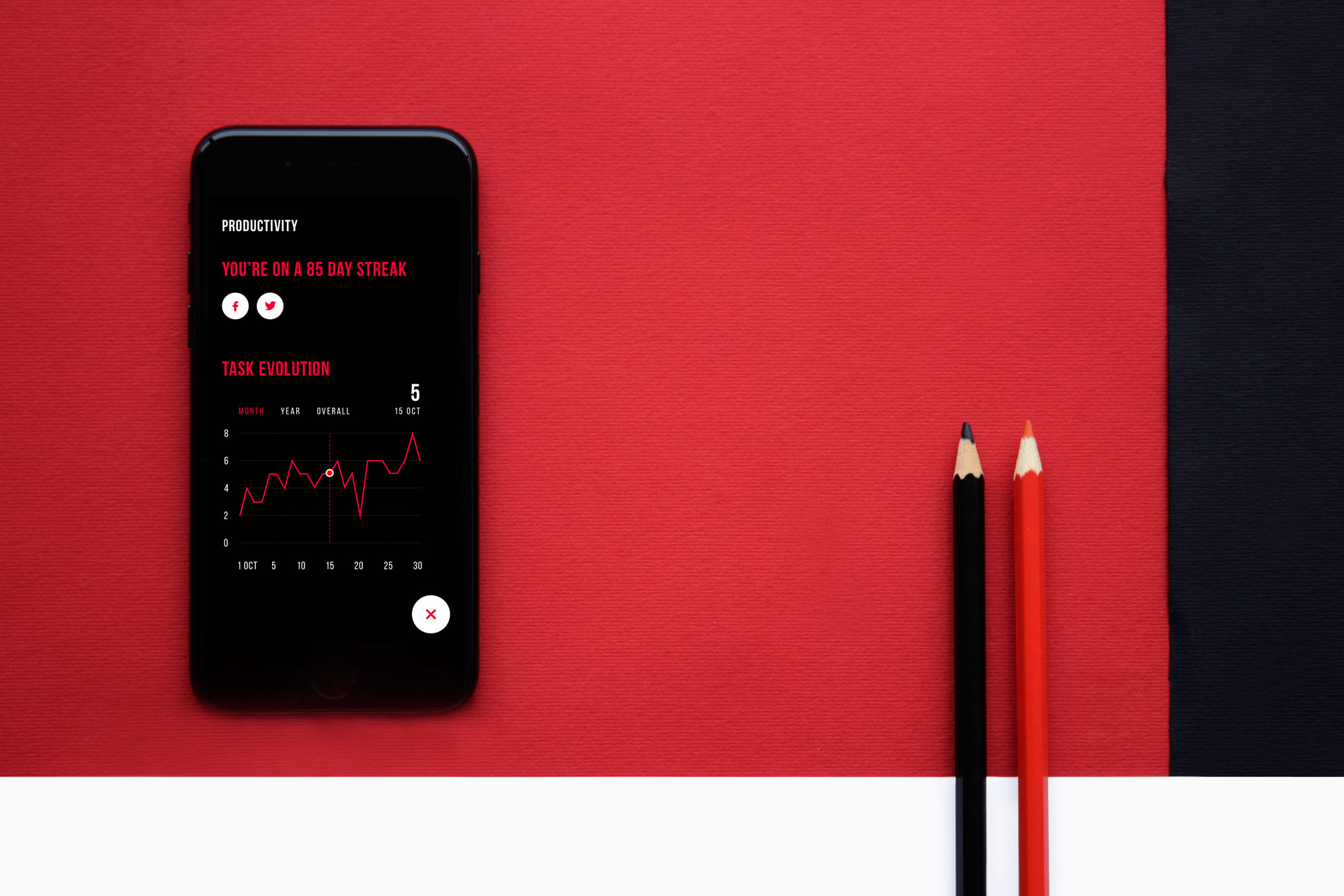
Simple doesn’t mean primitive. Less isn’t vague. Short doesn’t say little. Air doesn’t equal emptiness. Today we are talking about minimalism.
In the book “The More of Less”, Joshua Becker said: “You don’t need more space. You need less stuff.” Minimalism is often discussed nowadays in different spheres of life and work, and diverse directions of design are not the exception. Let’s see what are its benefits and points to consider.
What is minimalism?
Actually, minimalism is a word of broad meaning used in various spheres of human activity. Merriam-Webster dictionary defines it as “a style or technique (as in music, literature, or design) that is characterized by extreme spareness and simplicity”. Being applied to more and more fields, it saves its core traits: meaningful and simple.
Minimalism as a direction of visual design got especially popular in the 1960s in New York when new and older artists moved toward geometric abstraction in painting and sculpture. The movement found its impression in the artworks associated with Bauhaus, De Stijl, Constructivism and so on. In diverse spheres of visual arts, key principle of minimalism was leaving only essential part of features to focus the recipient’s attention as well as support general elegance. Lines, shapes, dots, colors, spare space, composition – everything should serve its function being thoughtfully organized. Today we can meet minimalism in a variety of life spheres: architecture, arts, photography, all kinds of design, literature, music and even food presentation.
“A shape, a volume, a color, a surface is something itself. It shouldn’t be concealed as part of a fairly different whole. The shapes and materials shouldn’t be altered by their context”, said Donald Judd, an American artist associated with minimalism. Working in this style, designers seek to make the interfaces simple but not empty, stylish but not overloaded. They tend to use negative space, bold color and font combinations, and multifunctional details making the simplicity elegant. The line dividing simple and primitive is very thin. That is why not all the designers take the risk of trying this direction: some may think it looks too decent, the others don’t find enough ways to show much with fewer elements.
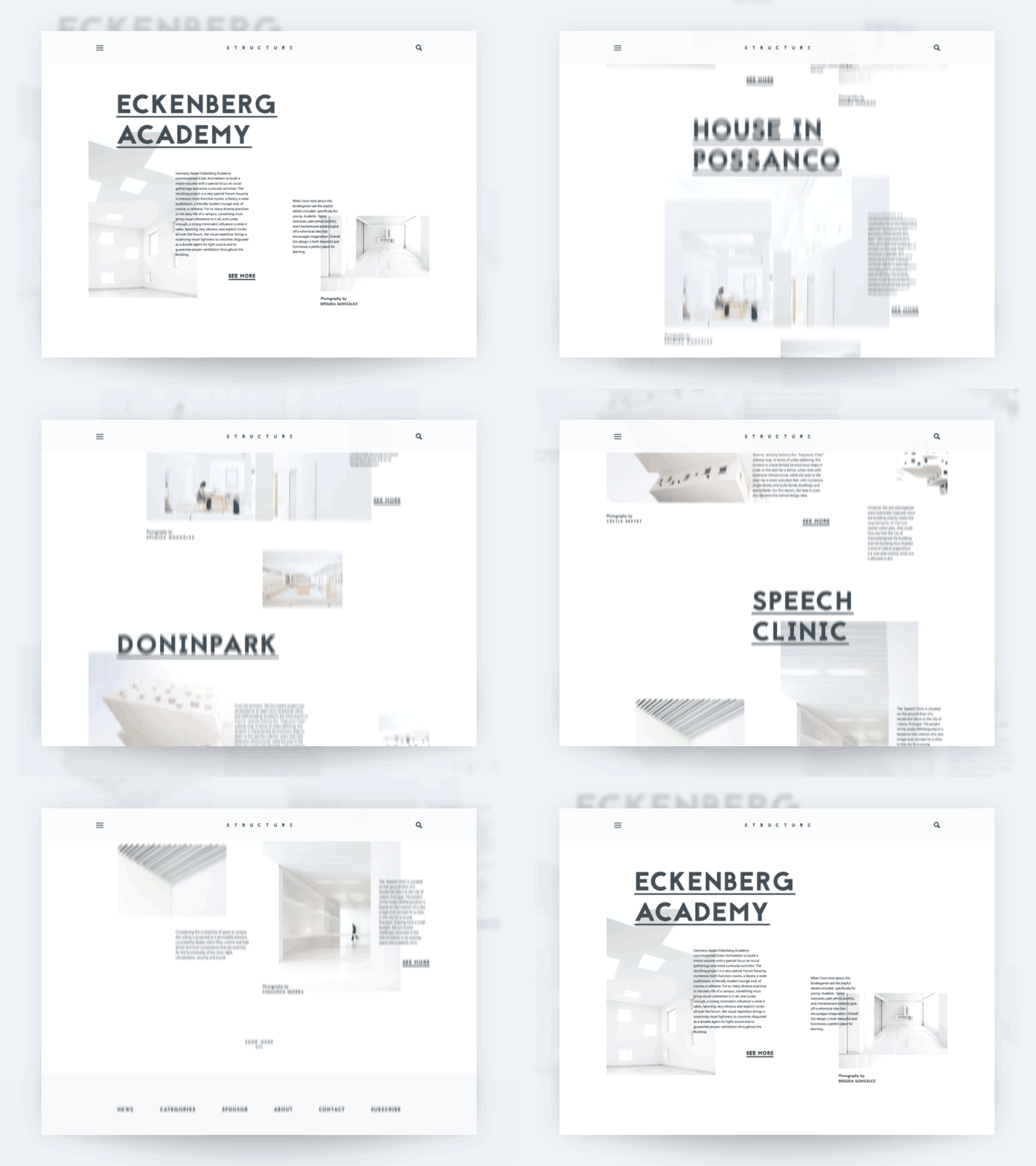
Architecture Blog
Characteristics of minimalism
Main features of minimalism often mentioned by designers include:
- Simplicity
- Clarity
- Expressive visual hierarchy
- High attention to proportions and composition
- Functionality of every element
- A big amount of spare space
- High attention ratio to core details
- Typography as a significant design element
- Eliminating non-functional decorative elements
Surely, the list can be continued, but even the given positions show that minimalism in UI sounds like a user-friendly trend. Applied wisely, it helps users to see the core elements of the interface and makes the user journey intuitive and purposeful. Moreover, minimalist interfaces usually look sophisticated and uncluttered bringing aesthetic satisfaction as one of the factors of desirability in UX.
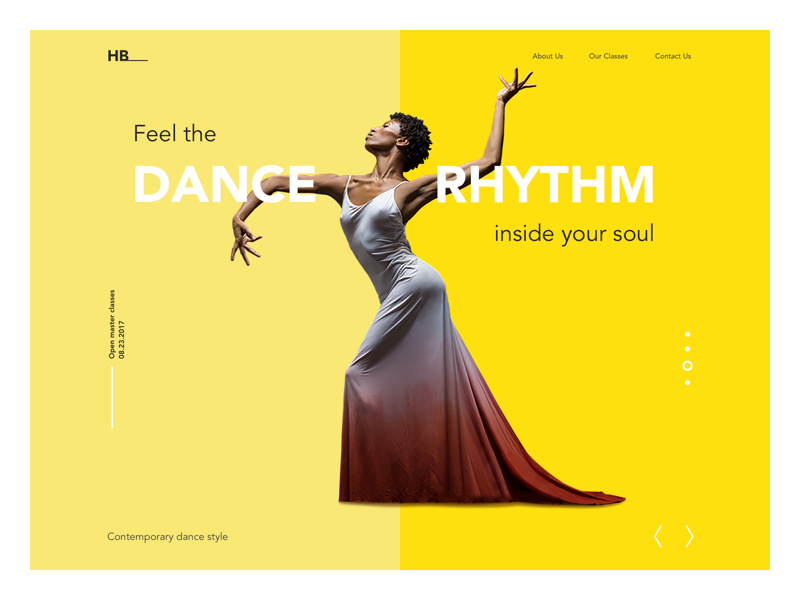
Dance Academy landing page
Practices of minimalism in digital design
Today, minimalism is one of the most widespread trends in website and mobile application design. Main points to consider can be described in the following practices.
Flat design
As we mentioned in one of our previous articles, flat design became a great supporter of minimalism in modern digital products. The most prominent feature of this direction is applying flat, 2-dimensional visual details, as opposed to highly realistic and detailed skeuomorphic images. Flat images usually use fewer elements and curves, avoid highlights, shadows, gradients, or textures. This approach allows creating images, buttons, icons, and illustrations that look neat in different resolutions and sizes. It lets designers enhance usability and visual harmony of user interfaces.
However, the terms “flat” and “minimalist” shouldn’t replace each other, which often happens today. They are not the same. “Flat” deals with the style of icons, illustrations, buttons, and other visual elements in the interface, focusing on aspects such as gradients, textures, and shadows. “Minimalist” has a much broader meaning and deals with the layout in general, its composition, color palette, contrast, and all the techniques of visual performance applied to it. A flat design can be described as one of the design techniques used in the minimalist approach to creating interfaces.
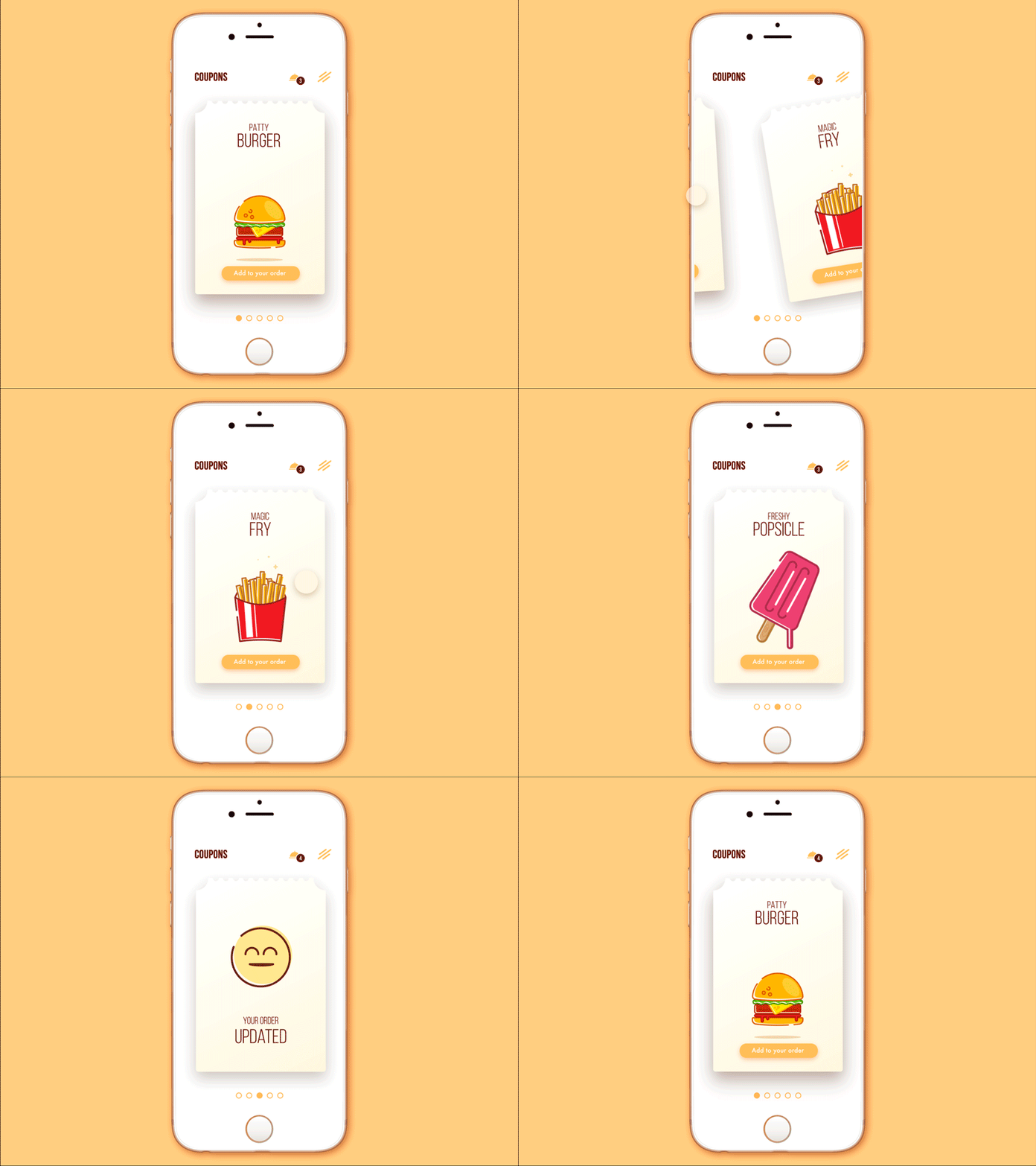
Cafe Coupon App
Monochrome or limited color palette
Color is a feature of great potential in the design of interfaces as it can set both informative and emotional links between the product and the user. Designers working in minimalism tend to make the most of color choices, and in most cases, they limit the color palette to monochrome or a small set of colors. This strengthens the chosen colors and doesn’t distract users with too much variety. Such an approach is efficient in interfaces, concentrating users’ attention on particular actions like buying, subscribing, donating, starting to use, etc. Moreover, from a psychological perspective, colors usually evoke particular associations and emotions in users, so a limited palette makes the chosen colors stronger in this aspect.
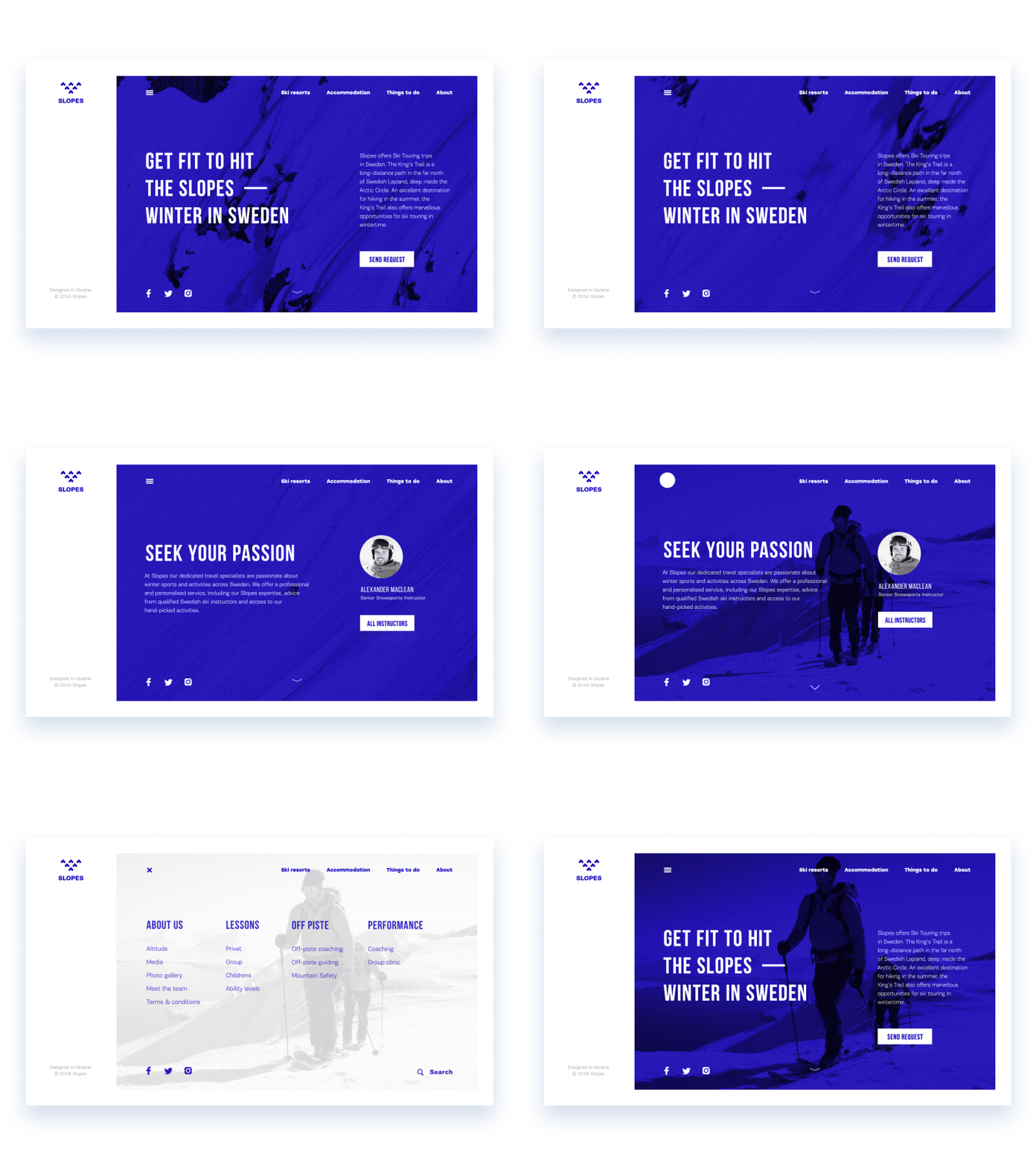
Slopes Website
Bold and expressive typography
Typography in minimalist design is seen as one of the core visual elements, not only informing users about the content but also setting the style and enhancing visual performance. Choosing a concise approach to graphics, designers usually pay close attention to the choice of typography and never hurry when testing pairs, sizes, and combinations. As well as color, fonts, and typefaces are seen as strong graphic elements that contribute to general elegance and the emotional message they send. On the other hand, readability and legibility do not lose their leading positions in the matter of choice.
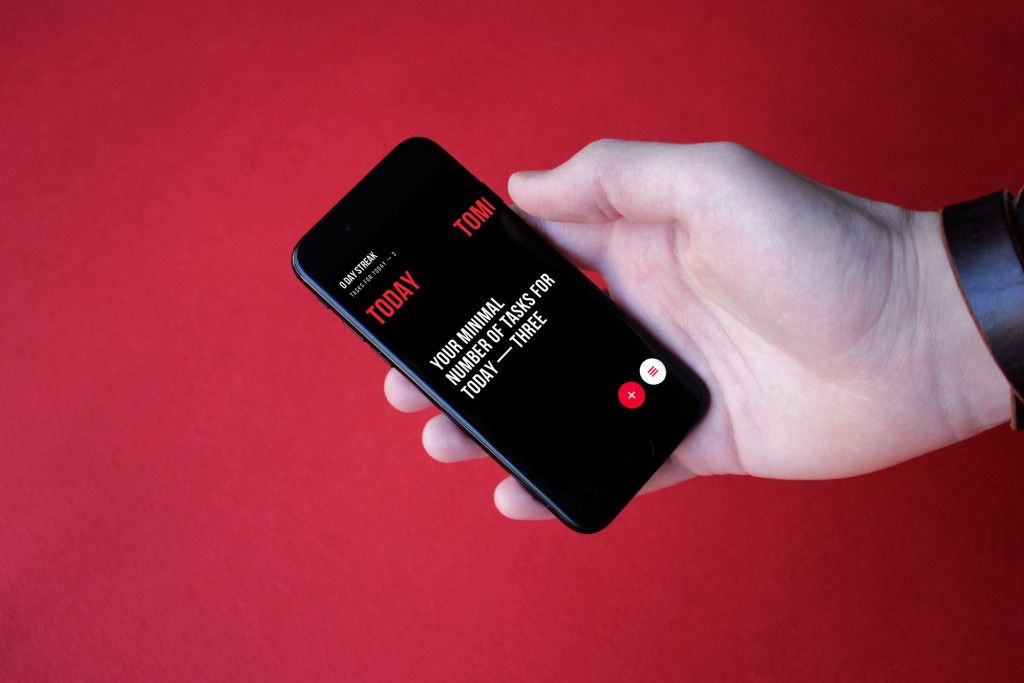
Upper App
Choice limitation
One of the key benefits of minimalism in interfaces is increased user concentration. Being focused on functionality and simplicity, the pages and screens of this kind don’t usually overload users’ attention with decorative elements, shades, colors, details, motion, so in this way, they support a high attention ratio and often let users quickly solve their problems and navigate through the website or app.
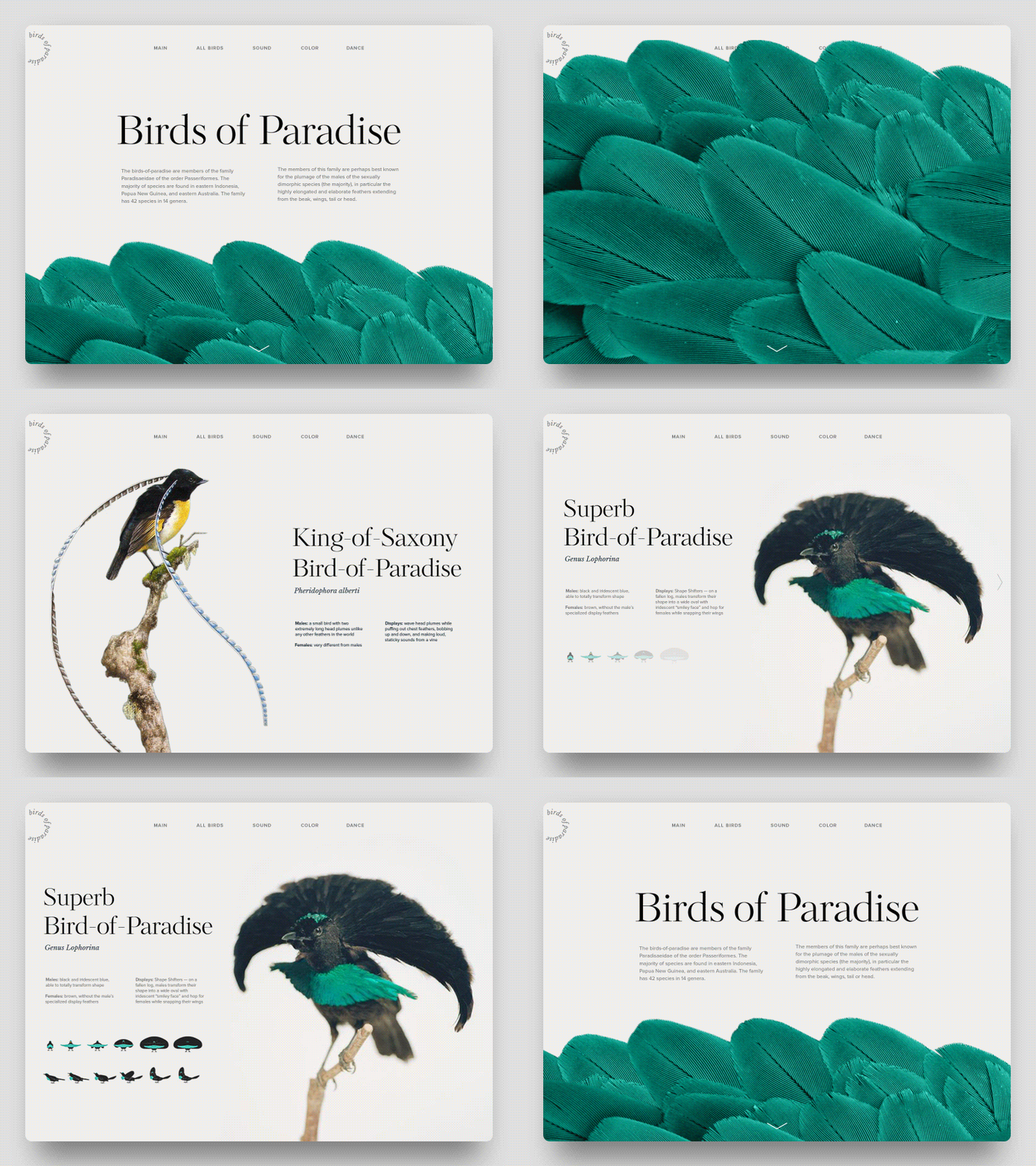
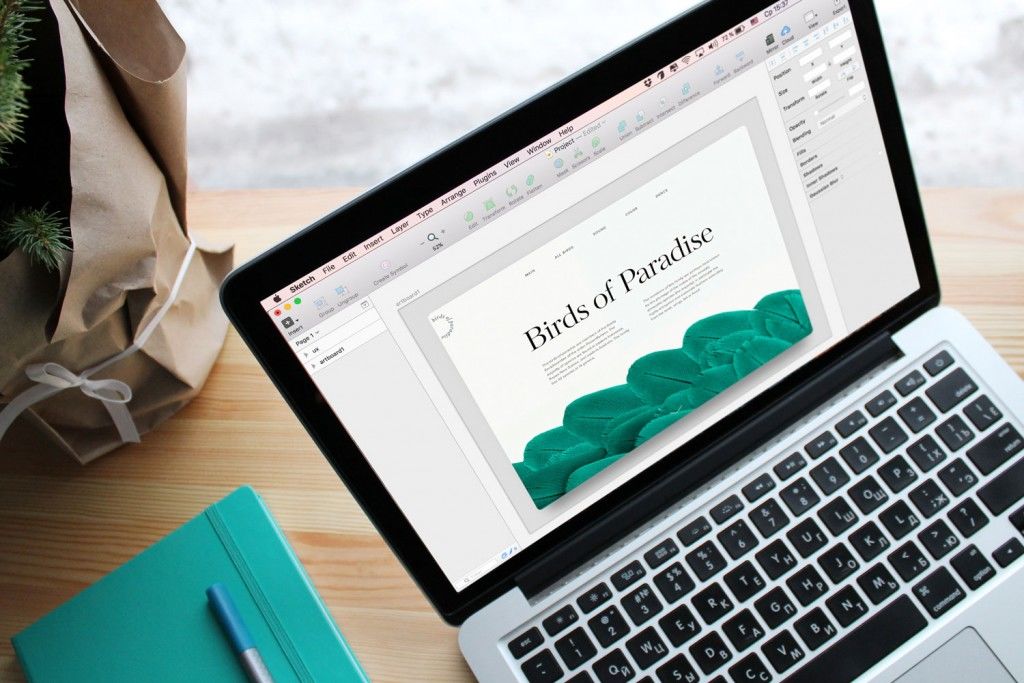
Birds of Paradise Encyclopedia
Prominent theme visual elements
In minimalist UI design, designers do not use many images; however, the ones selected are prominent, striking, and informative. This approach results in a lengthy, thorough search for the “right” image that would encompass all those functions and set the required mood immediately. The photo or illustration itself must follow the principles of minimalism; otherwise, choosing the wrong image can ruin the layout integrity.
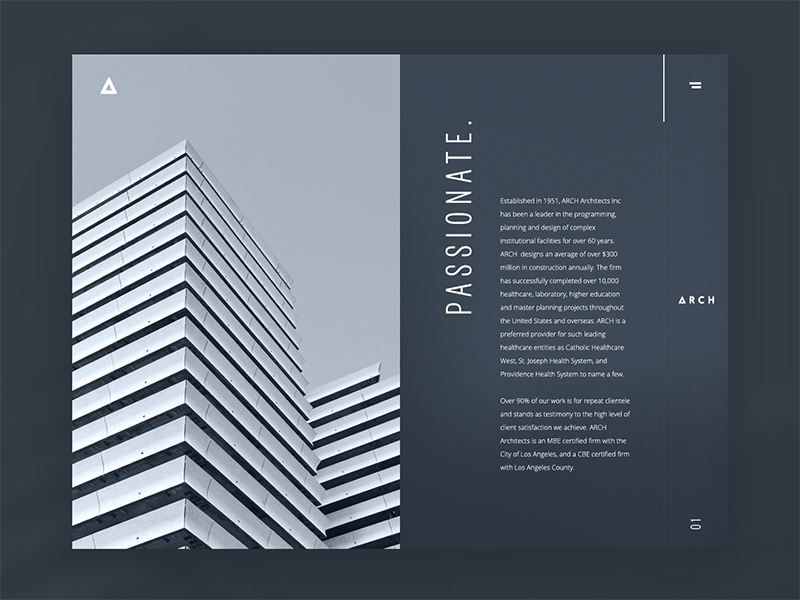
Architecture Firm
Concise and intuitive navigation
Navigation in minimalist interfaces presents another challenge: designers must rigorously prioritize elements to show only those of the highest importance. There are different techniques to hide part of the navigation, but when doing this, it’s vital to ensure that users can easily find what they need. That is one of the reasons why the minimalist approach can be criticized: it is not always appropriately presented and tested enough. Solutions like hamburger menus and hidden layout elements can leave some users lost on the website journey. Obviously, it is not a good ground for a positive user experience; every solution about navigation should follow the philosophy “measure thrice and cut once”.
Adding air and using negative space
White space (also called negative) in digital design is the term which is more about space rather than color. In minimalism, it is another effective way to add elegance and highlight the core elements. Also, in terms of monochromatic or limited color palette, white or negative space plays a significant role in creating enough contrast and supporting legibility.
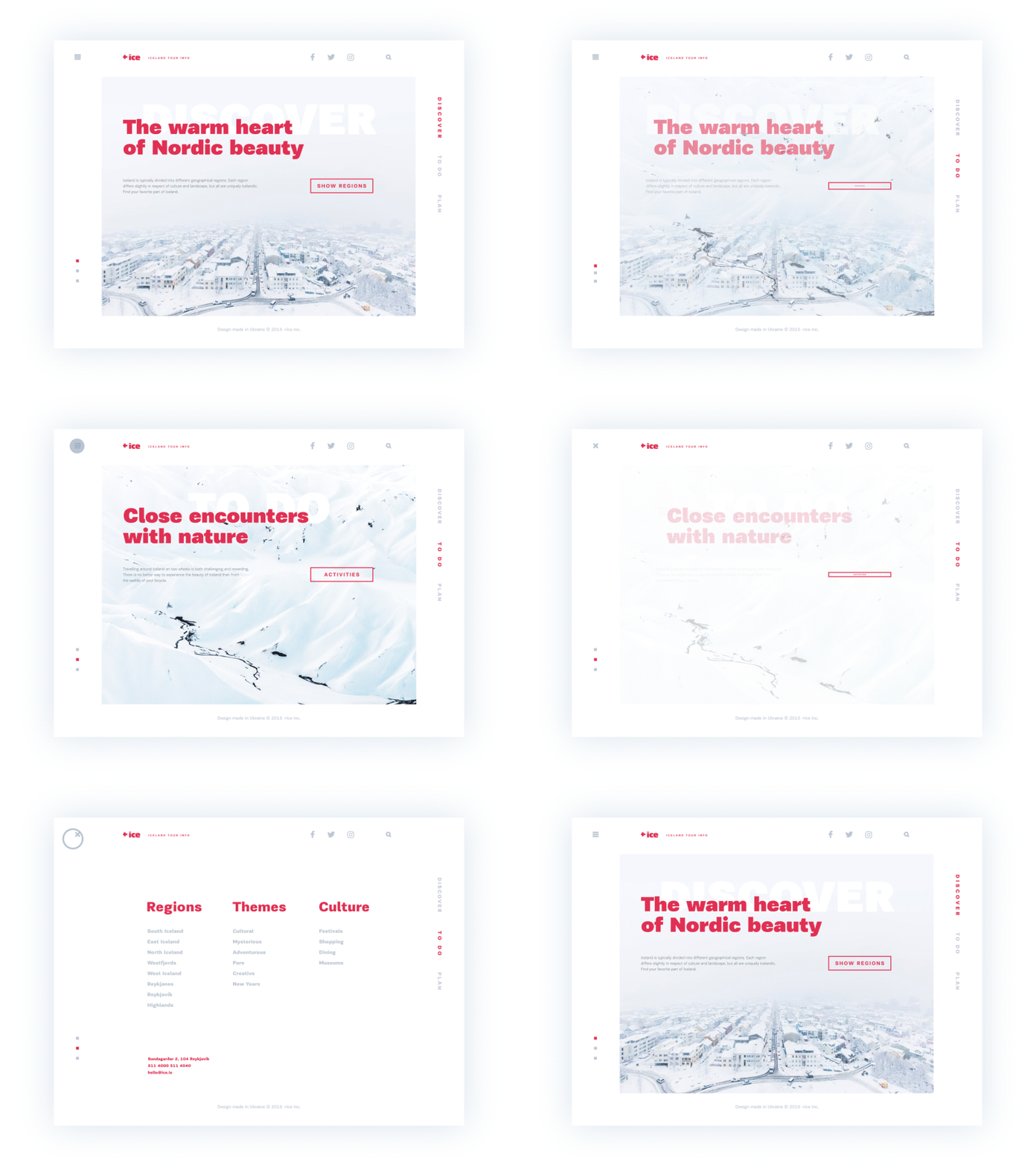
Ice Website
Grids
Grid system in minimalist interfaces can be effective for making the layout look highly organized, especially if the website presents a lot of homogeneous content. Another benefit is that grids are responsive-friendly.
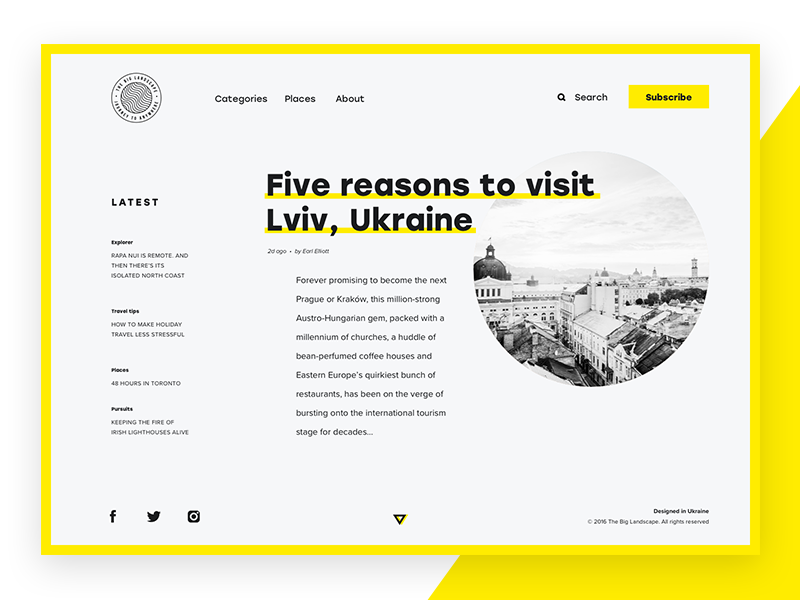
The Big Landscape
Contrast
Following the principles of simplicity and restraint, minimalism relies heavily on contrast to achieve effective visual performance. The choice of colors, shapes, and placement is often based on contrast as the primary consideration.
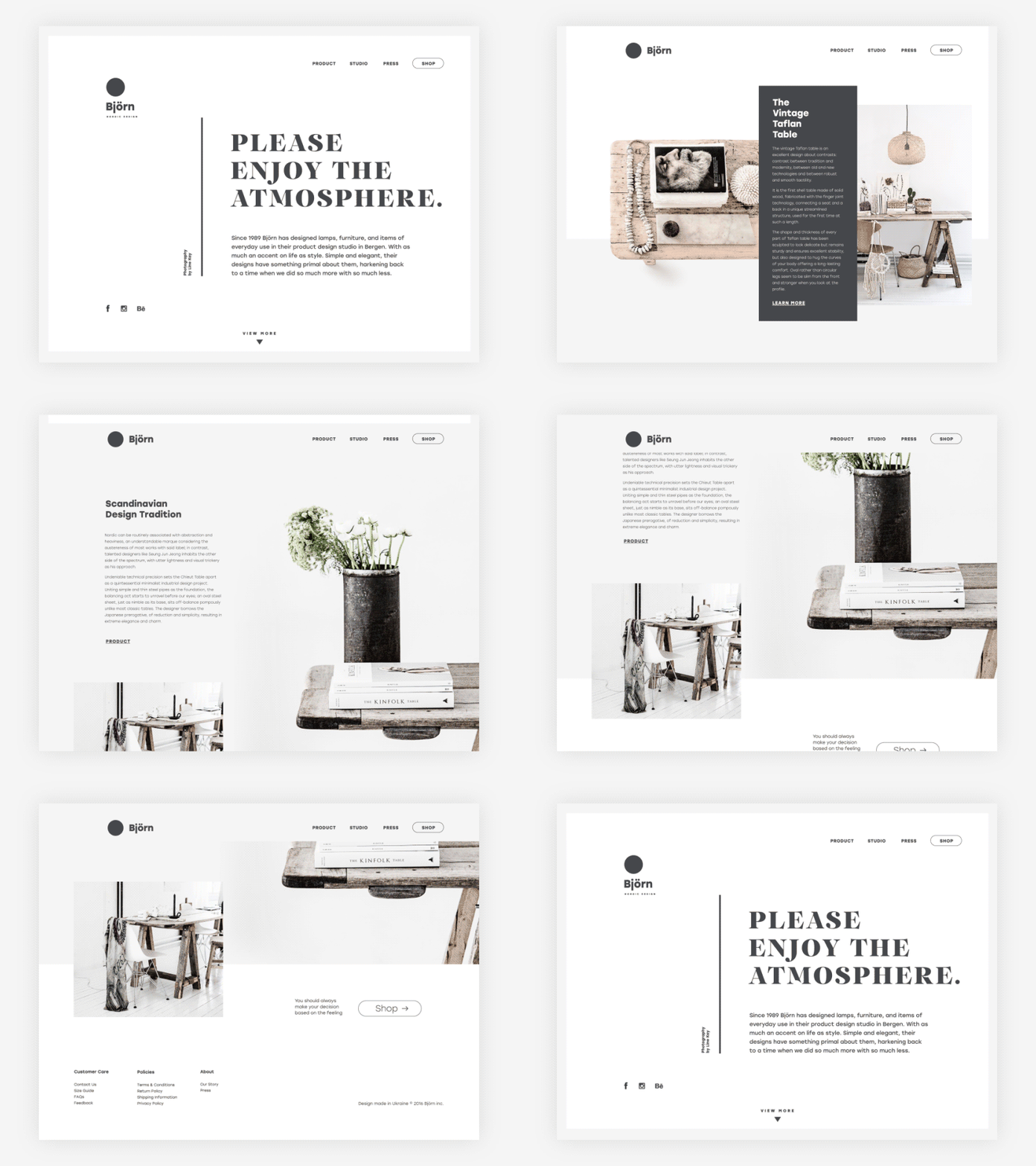
Bjorn Website
It’s easy to see that minimalism has numerous benefits and presents a good approach to creating user-friendly interfaces. However, it doesn’t mean that minimalism should be applied everywhere: every goal should be achieved by the proper means. One thing is for sure: the more minimalistic the interface, the more time and effort the designer should invest to make it clear and functional. Elegance and beauty of minimalism should support the global aim of providing a positive user experience.
Recommended reading
The Characteristics of Minimalism in Web Design
6 Steps to Perfecting Minimalism in Web Design
Negative Space in Design: Tips and Best Practices
Originally written for Tubik Blog
Useful Articles
Here’s a bunch of articles to dive deeper into the theme of usability and user experience design.
5 Basic Types of Images in Web Design
The Anatomy of a Web Page: Basic Elements
6 Elements of Efficient Company Website Design
UX Practices on Product Page Design
How to Design Effective Search
Web Design: 17 Basic Types of Web Pages
Guide to 6 Effective Types of Web Animation
Directional Cues in User Interfaces
 https://design4users.com/lean-and-mean-power-of-minimalism-in-ui-design/
2026-01-15
© by
Marina Yalanska
,
https://design4users.com/lean-and-mean-power-of-minimalism-in-ui-design/
2026-01-15
© by
Marina Yalanska
,
- English
- Ukrainian