
Gamification in UX. Boosting User Engagement
Gamification in UX. Boosting User Engagement The article is focused on the aspect of gamification applied for mobile applications and websites for engaging UX design and user-friendly interactions.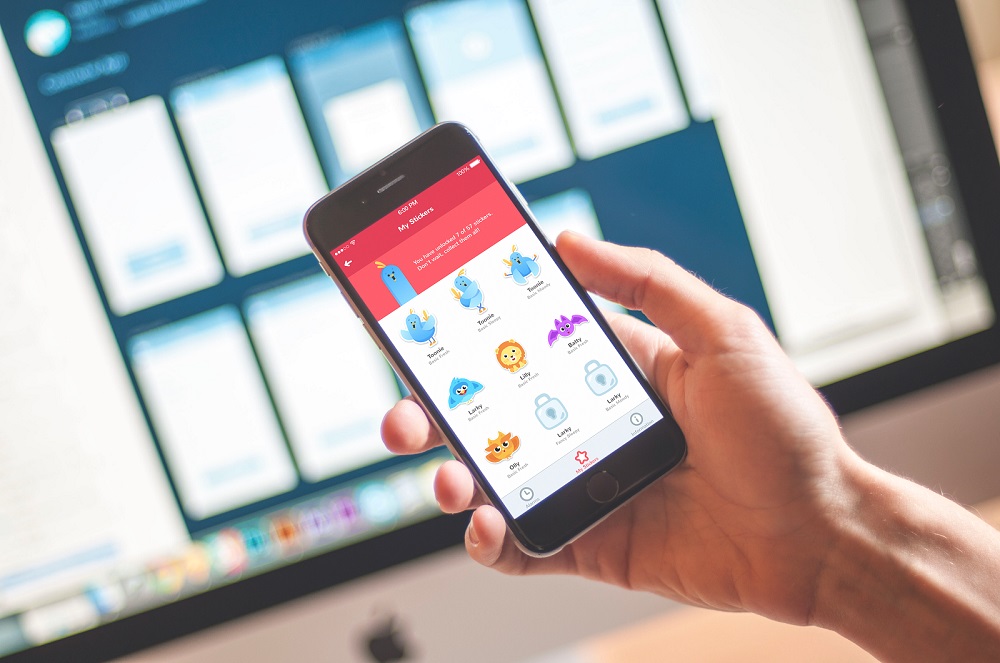
The user-centered approach, which strives for creating products highly responding to the user’s needs, has become the major philosophy behind many projects. Following this method designers constantly search for new techniques improving user experience which depends on various aspects including emotions. The thing is that users expect a product to be simple and enjoyable in use, so the idea to add a “fun” element to the UX came as it is. But how to make the product fun and enjoyable in use? The technique called gamification was created to solve the problem. Let’s find out what’s the method of gamification in design and how it can improve UX.
What is gamification?
When we say the word “gamification” in the context of design, it can be easily mistaken for the game design. Still, these terms hardly relate to each other, even more, they are opposite in many aspects. In the tech world, the word “gamification” stands for the technique of exerting game mechanics into the non-game environment, such as websites and mobile applications. For example, if you want to encourage the users to interact more with your application, you can add the game element such as a challenge. They can be challenged to check-in every day during a week and be rewarded if they do so. The thing is that people like having a clear goal and even more to be rewarded after it’s achieved, so such a challenge would doubtfully pass unnoticed among the users. This way, designers are able to influence users’ behavior and motivate them as “players” to do the expected actions via game elements such as a challenge and rewards.
Toonie Alarm
Types of game mechanics for UX improvement
Gamification is a complicated design technique that requires using various game mechanics referring to the interactive UI elements. The main task for designers applying gamification is not to turn the product fully into a game. For this reason, there have been distinguished the effective game mechanics that are commonly used in the design. Let’s see what they are.
Challenge
Human nature always makes us take the challenges and prove that we are able to handle them. So, a challenge is thought to be one of the most compelling game elements motivating people to take an action which can be a great tool on the way for UX improvement. In order to enhance the challenge effect, it may be a good idea to use some kind of rewards, so that users could feel even more motivated.
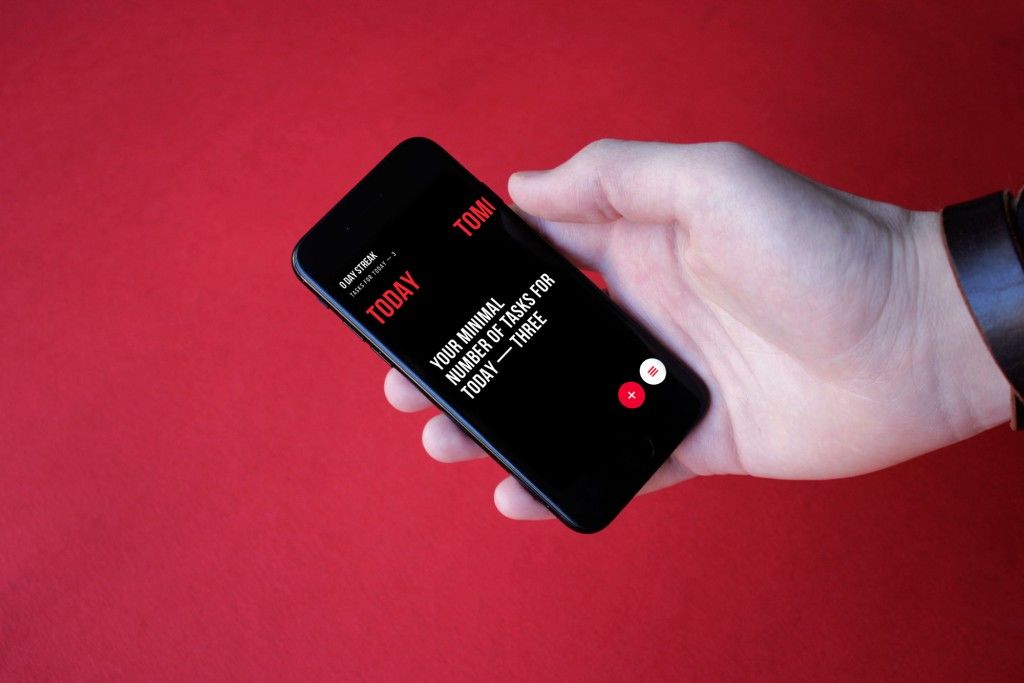
Upper Streak Challenge in Upper App
Points
To measure a player’s success, many games use a points system. The gamified product can apply the same scheme that helps both users and stakeholders: the first sees their achievements, and the others can estimate user engagement of the website or application. It is not necessary to count the points on the rating form. It may be just the number of check-ins or video views.
Badges and stickers
When users complete the challenge or gather a certain number of points, they can be awarded badges or stickers. This kind of virtual reward is often used in video games, so people are familiar with it. Stickers have gained people’s love long ago, therefore this kind of reward will be appreciated. Besides, the badges and stickers leave a lot of room for creative experimentation, as they can be designed in various ways. Such rewards can become additional drivers of motivation.
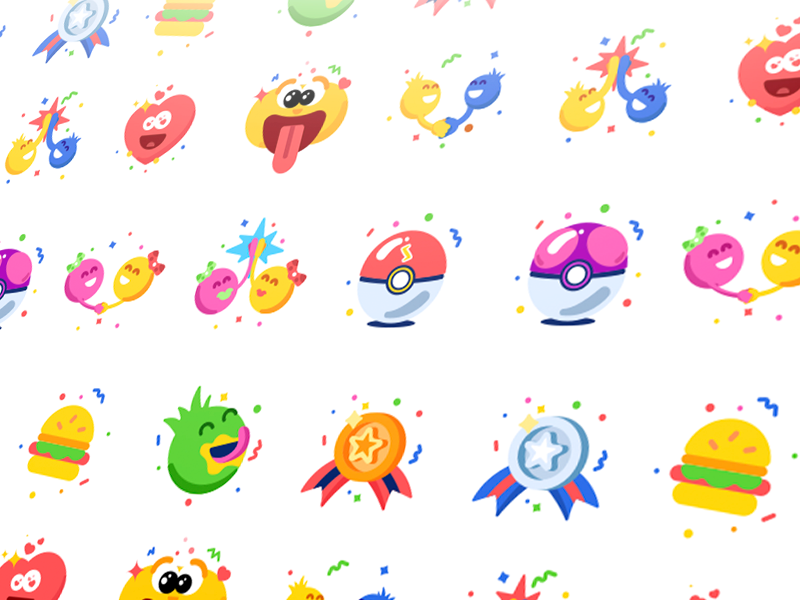
PukaPal Badges
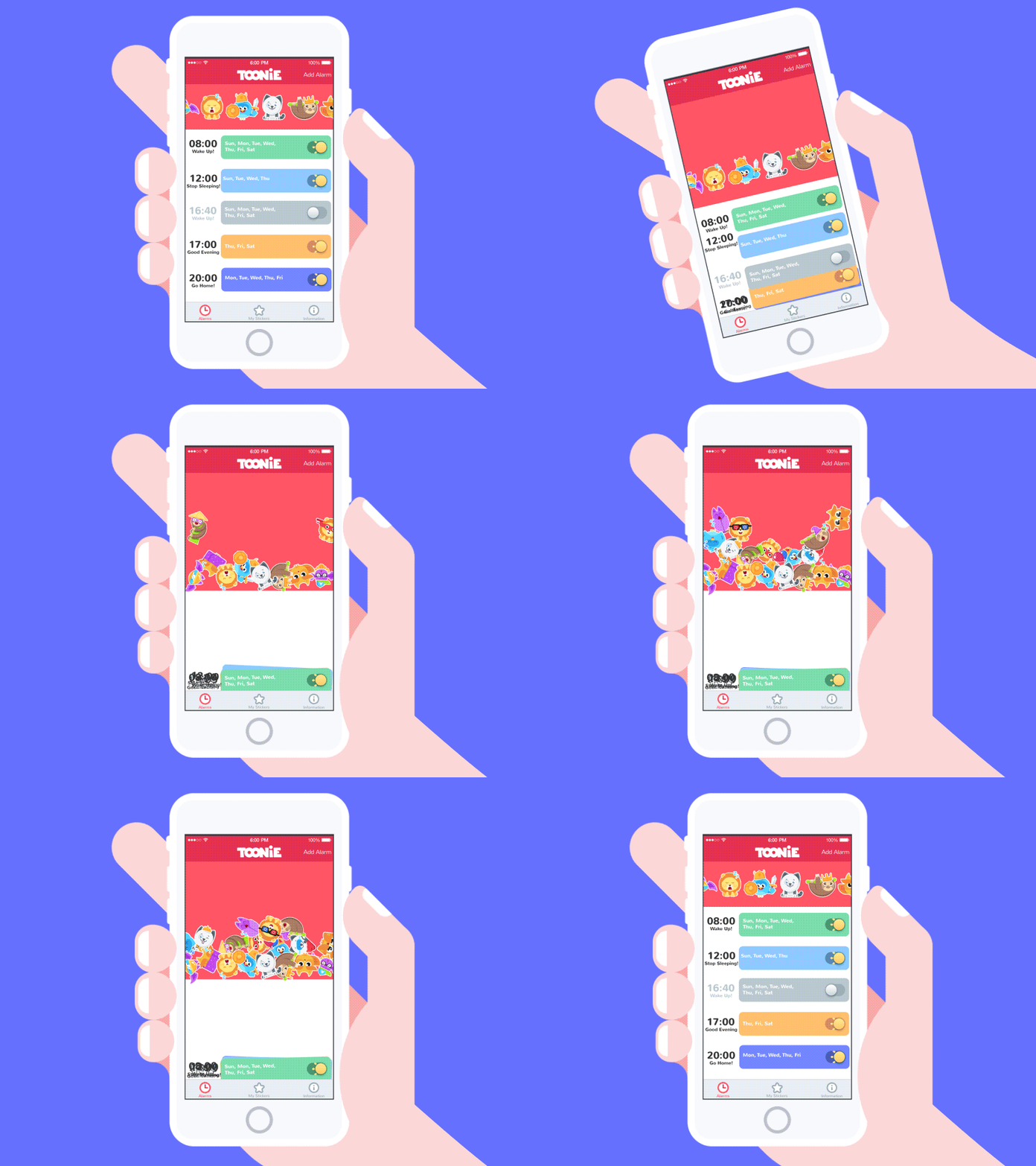
Toonie Alarm Stickers
Leaderboards
What makes the challenge even more interesting for people is the competition. Few things can motivate users more than the desire to be a leader. The list of “players ranked in order of who has more badges” can increase users’ enthusiasm. However, in some cases, it may backfire, demotivating people due to others’ high ranks. That’s why this game element is recommended to be applied carefully.
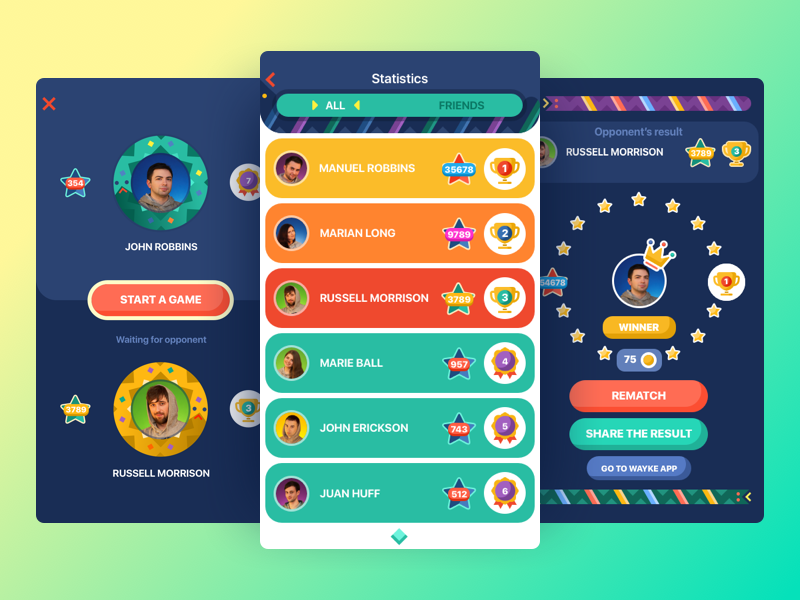
Snake Battle
Journey
This game mechanic aims to make the interaction process with the product as easy and understandable as possible. The user should feel like a real player, starting their personal journey with product usage. For example, on the onboarding page from which the user begins, they can be offered an introduction to the features, so that users won’t be afraid to make a mistake. As the journey continues, it is recommended to use the “scaffolding” method. It means disclosing features progressively as users become more experienced with the product. Such an approach allows people to avoid errors and makes the product pleasing to use. Also, the journey element may be supplemented with the progress feature. Providing information about the user’s progress, we can inspire them to continue.
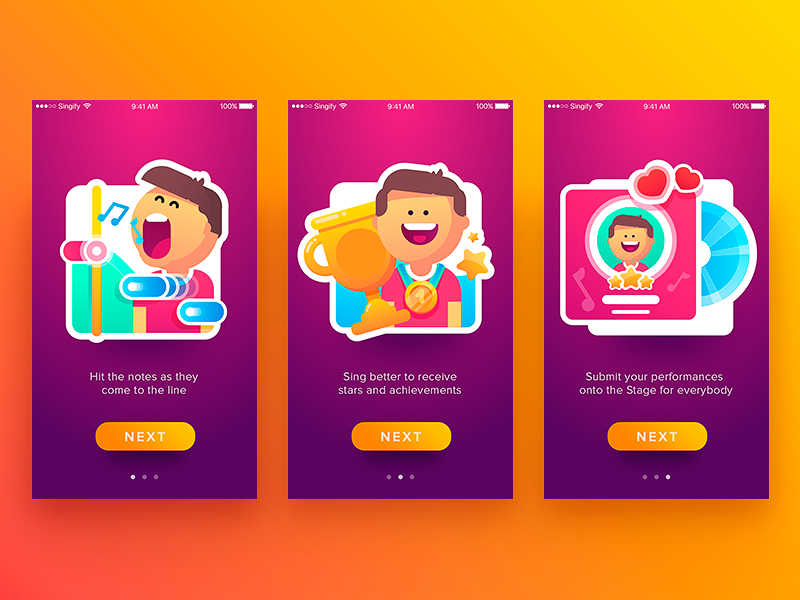
Singify App Tutorial
Constraints
Many of us may think that it is not funny at all, but still, there is a game element constraining players’ time. For example, the tasks in the games often need to be completed within a limited time, otherwise, players lose. The same approach can be applied to the gamified product. Users may be offered to do something which is available only today. The constraints prompt people to respond faster and motivate them to act immediately.
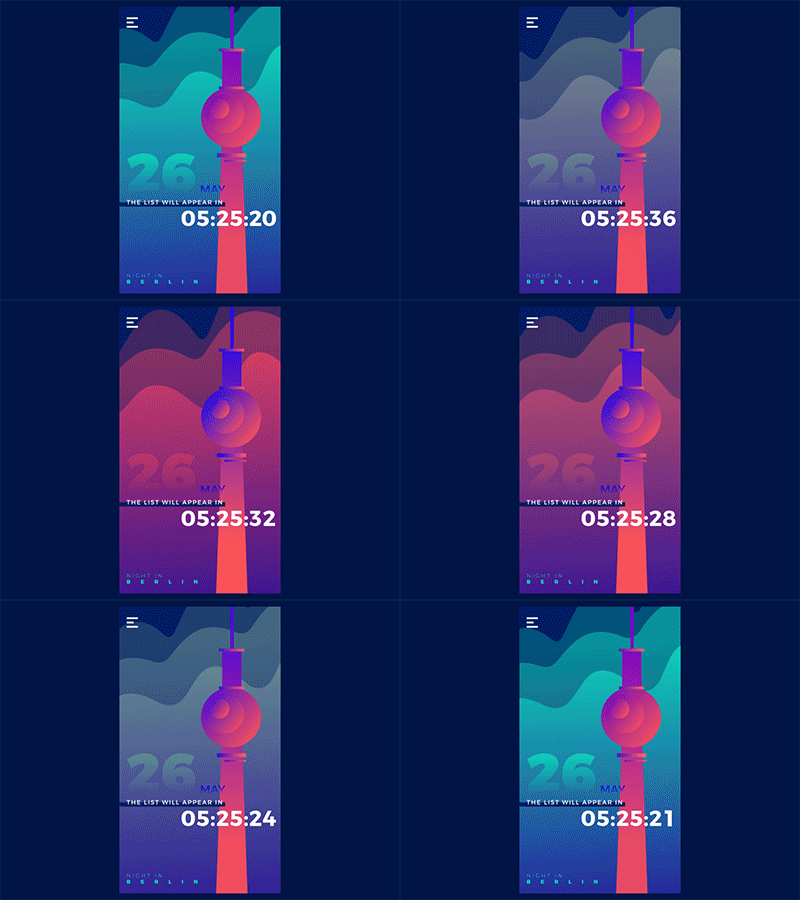
Night in Berlin App
These are common examples of game elements in design, but there is room for innovative game mechanics in UX design. The key point is that the product shouldn’t become overly playful if it doesn’t align with the overall stylistic strategy and brand image.
The role of gamification in UX design
Today, gamification is widely used in design because it is believed to help address many UX problems. The appropriate use of gamification and well-chosen game mechanics can be a valuable tool for UX designers in increasing user engagement with the product and conversion rates. So, how does it work? First, gamification adds an element of fun to websites and applications. People enjoy the interactive process, full of fun, challenges, and a competitive spirit, similar to video games, so they are encouraged to go back.
Furthermore, the game mechanics are powerful motivators for the users. The game elements define the tasks, and rewards are promised to those who complete them. Curiosity and excitement drive users to continue performing tasks and spend more time on the app or website.
In addition, today, gamification is already one of the major design approaches. Many designers have caught the hype and actively apply this method to various projects. That’s why many users may already have experience with gamified products, so they expect the same from yours.
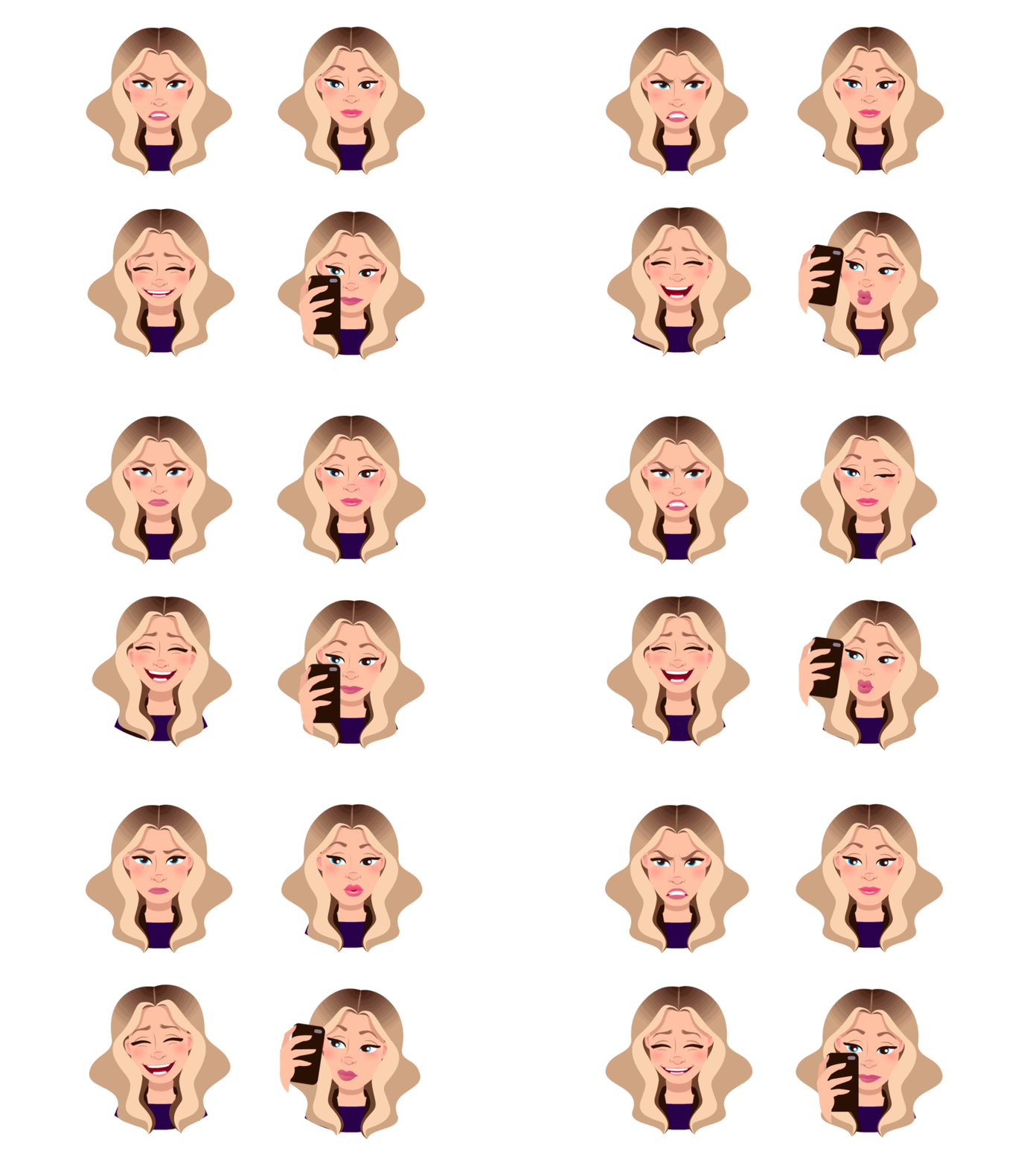
Animated Stickers for Mood Messenger
In short, gamification is a relatively new technique that is now actively demonstrating its reliability as a practical design method. Nevertheless, its popularity is growing rapidly, so it has a strong chance of becoming the leading approach in the near term.
Recommended reading
Here are some more articles we could recommend for those who would like to get deeper into the topic:
Gamification Mechanics in UX Design: User Journey
Gamification And UX: Where Users Win Or Lose
Gamification: Designing for Motivation
5 examples of great gamification
Introducing Game Mechanics for Gamification
Originally written for Tubik Blog
 https://design4users.com/gamification-in-ux-boosting-user-engagement/
2026-01-14
© by
Marina Yalanska
,
https://design4users.com/gamification-in-ux-boosting-user-engagement/
2026-01-14
© by
Marina Yalanska
,
- English
- Ukrainian