
Best Design Practices for Website Headers
Best Design Practices for Website Headers The set of insights on the definition, structure, and composition of a website header as a strategic part of the website: a variety of examples and approaches.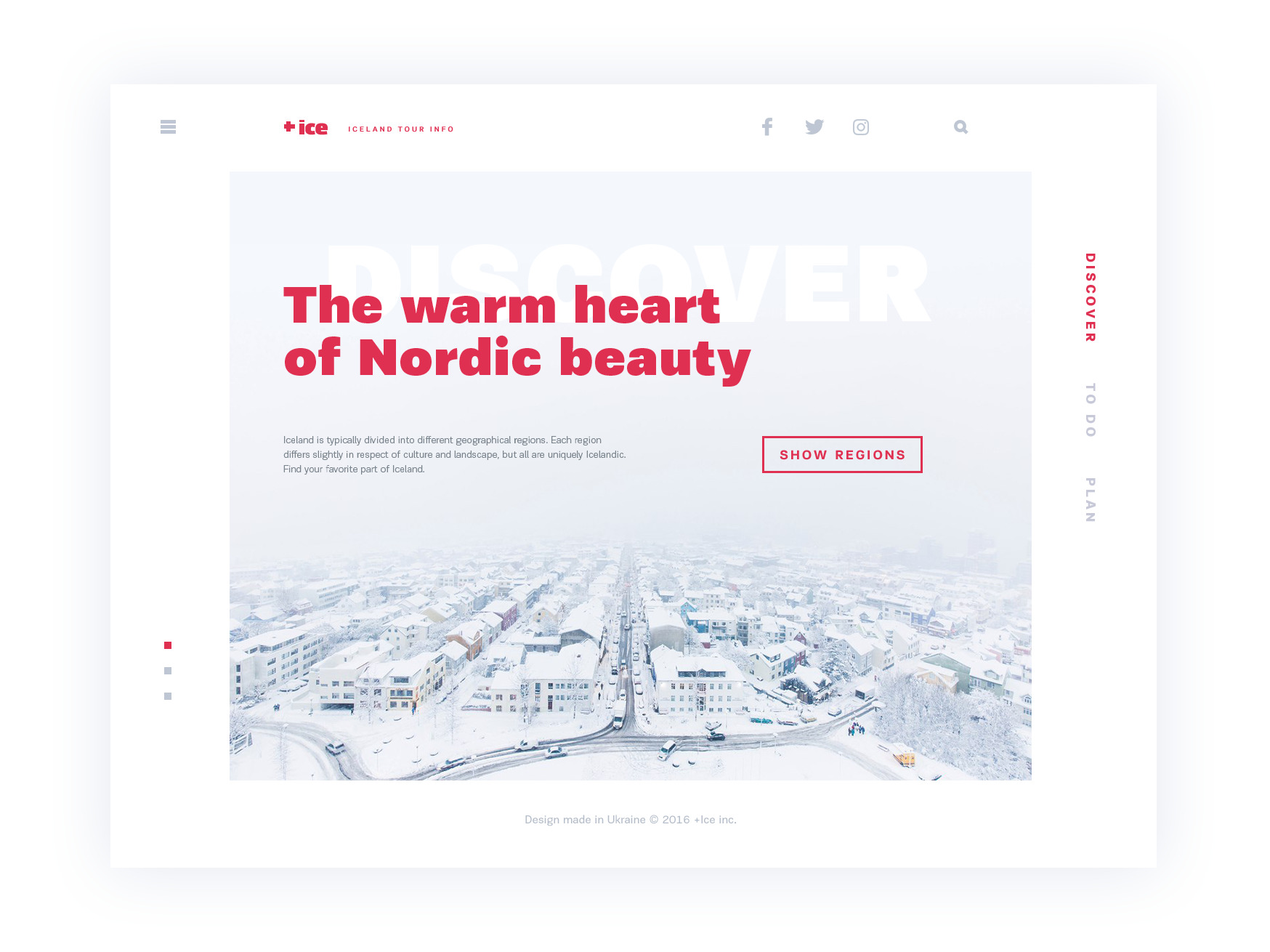
Everyone knows: there is not the second chance to make the first impression. In the sphere of digital products, this eternal truth works in terms of high competition and incredible diversity. No doubt, some zones of the webpage or mobile screen are particularly important and effective in this aspect. Today we are going to discuss one of them in deeper focus: the header of the website.
In the issue of UI/UX glossary devoted to the web design terms, we have already provided a brief overview of what is a header. Today let’s look a bit closer at the topic and discuss what are the functions of a header and recommendations for its design. In addition, we will show a bunch of web design concepts applying different approaches to header design.
What is a header?
In web page layout, header is the upper (top) part of the web page. It is definitely a strategic part of the page as the area which people see before scrolling the page in the first seconds of introduction to the website. Being somehow a sign of invitation, header should provide the core information about the digital product so that users could scan it in split seconds. In the design perspective, the header is also the area making the broad field for creative design solutions that should be catchy, concise, and useful. Headers are often referred to as «Site Menus» and positioned as a key element of navigation in the website layout.
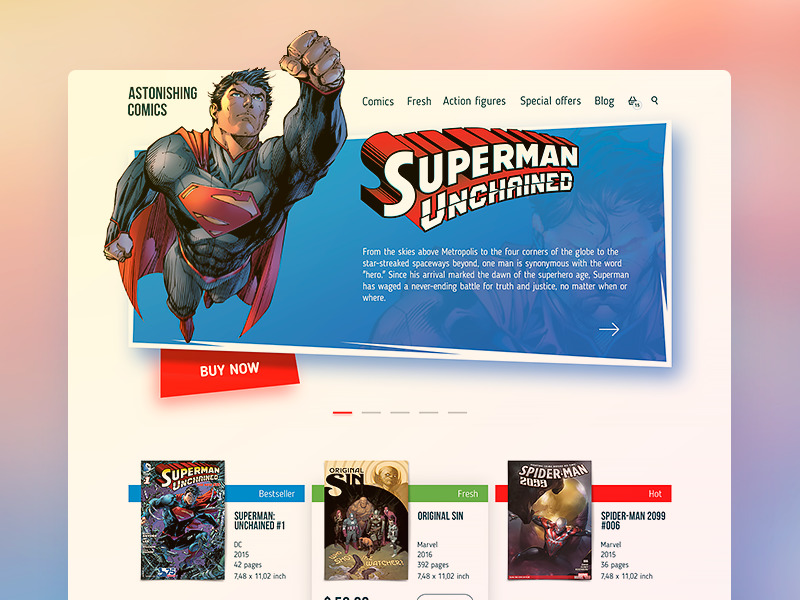
Comics Shop Home Page
The presented concept shows the home page for the online bookshop selling comics. The top horizontal area aka header presents the logo lettering showing the name of the website and the core navigation around: links to the catalog of items, fresh and special offers, blog, action figures, an icon of the shopping cart typical e-commerce websites and the icon of search.
What can a header include?
Headers can include a variety of meaningful layout elements, for example:
- basic elements of brand identity: logo, brand name lettering, slogan or company statement, corporate mascot, photo presenting the company or its leader, corporate colors, etc.
- copy block setting the theme of the product or service presented
- links to basic categories of website content
- links to the most important social networks
- basic contact information (telephone number, e-mail, etc.)
- switcher of the languages in case of a multilingual interface
- search field
- subscription field
- links to interactions with the product, such as trial versions, downloads from the App Store, etc.
It doesn’t mean all the mentioned elements should be included in a single web page header; in that case, the header section would be overloaded with information. The more objects attract the user’s attention, the harder it is to concentrate on the vital ones. Based on design tasks, designers, sometimes in collaboration with marketing specialists, select the strategic options from the list or add others.
Let’s look at a couple of examples to see which of the mentioned elements designers placed in the header for specific websites.
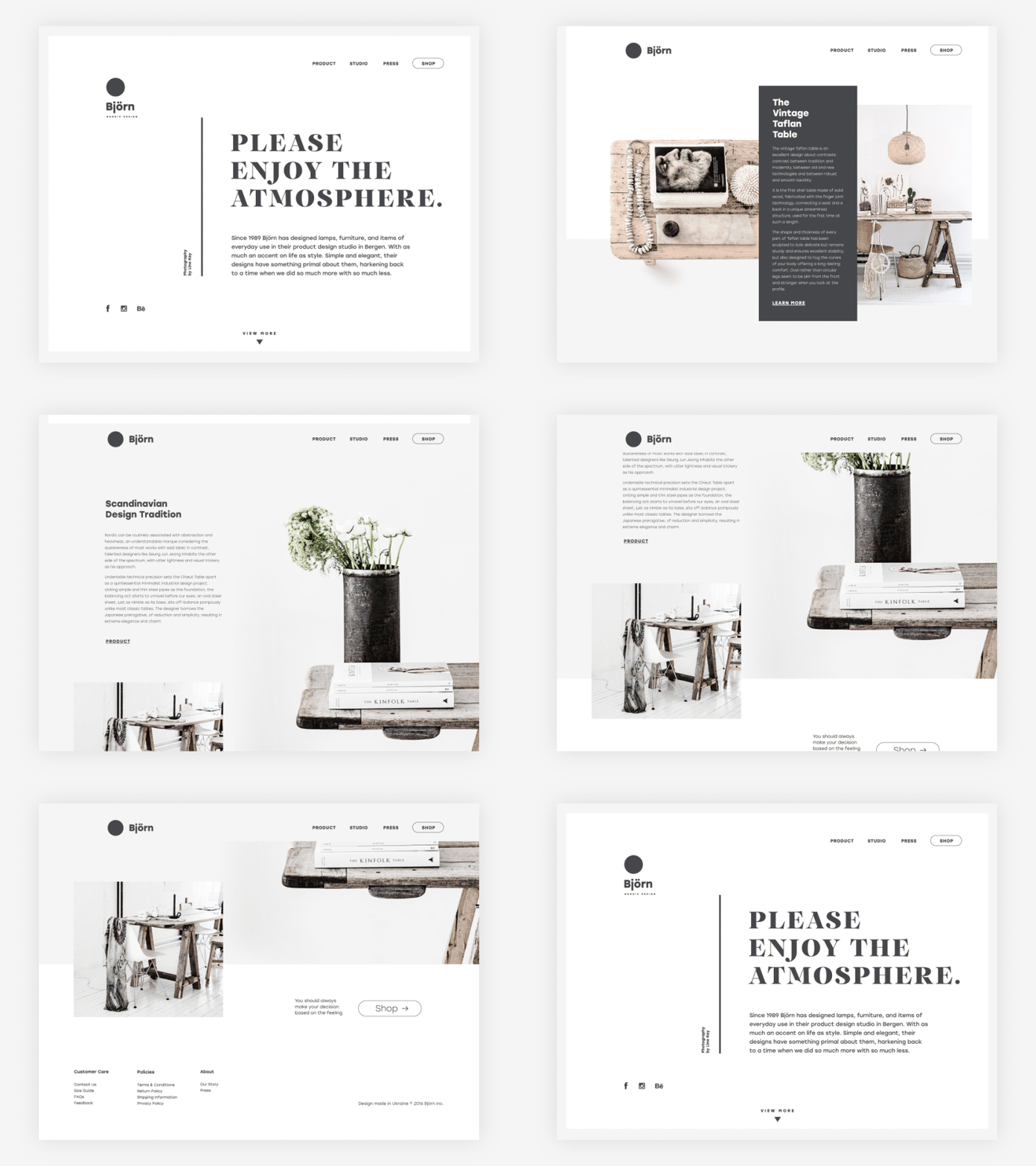
Bjorn Website
This is the website of an interior design studio. The upper part of the page presents the sticky header which stays in the zone of visual perception all the time in the process of scrolling. It is divided into two blocks: the left part features the brand logo, while the right part presents the interactive area with links to several information blocks like “Product”, “Studio”, and “Press”, and a call-to-action button “Shop” marked out with a shape. The central part of the header uses negative space for visual separation of these two blocks.
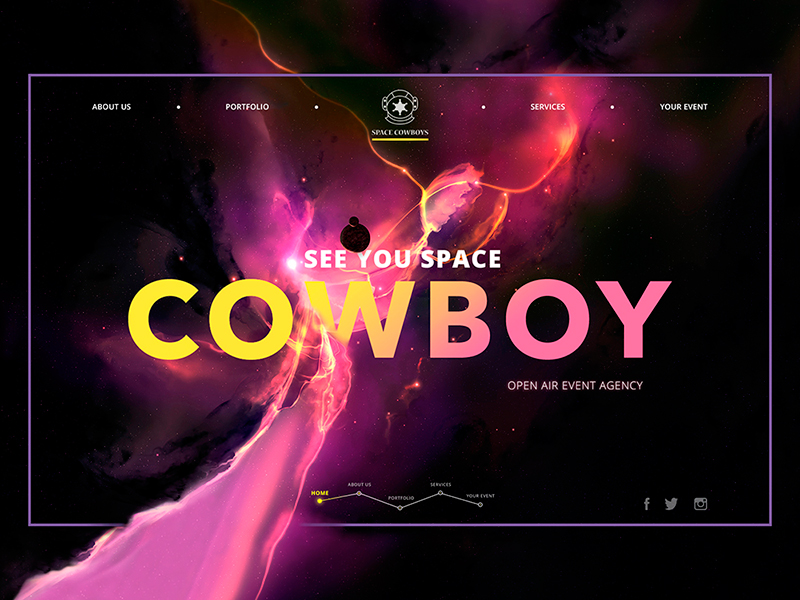
Event Agency Webpage
Here is another sample of the webpage with a bit different approach to the header design. This time, the composition is built around the center, featuring the logo and brand name. Left and right sides are balanced around it with two links each, allowing users to scan quickly and move to the information blocks they are interested in.
Why is the header important?
There are several issues why the header is a vital element of many websites.
The first thing to consider is eye-scanning models, which show how users interact with a webpage in the first seconds. This significant domain of user research is massively supported by Nielsen Norman Group and provides designers and usability specialists with a better understanding of user behavior and interactions.
In brief, when people visit the website, especially the first time, they do not explore everything on the page carefully and in detail: they scan it to find a hook that would catch their attention and convince them to spend some time on the website. Different experiments collecting data on user eye-tracking have shown that there are several typical models along which visitors usually scan the website. In the article about 3 design layouts, the author Steven Bradley mentions the following common models: Gutenberg Diagram, Z-Pattern, And F-Pattern. Let’s check what are the schemes provided for them in the research.
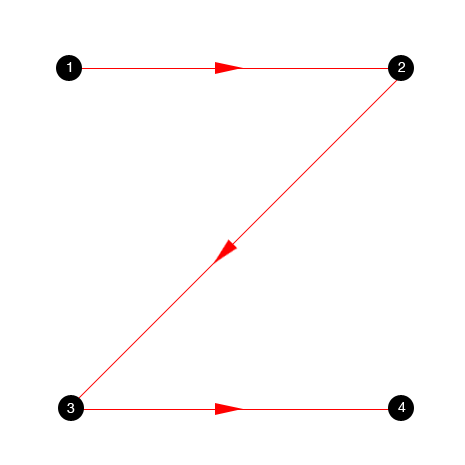
Guttenberg Pattern is quite typical for the web pages with the uniform presentation of information and weak visual hierarchy. As can be seen from the scheme we found in Steven Bradley’s research, it marks out four active zones, and two of them go across the typical header area.
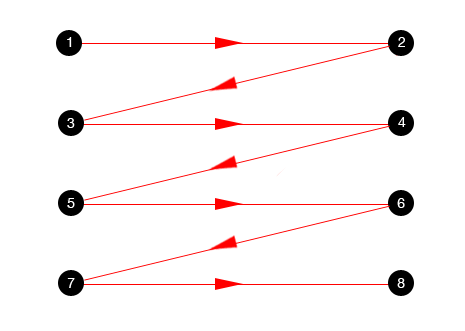
Another scheme features a Z-pattern, and the zigzag version shown is typical for pages with visually divided content blocks. Again, the reader’s eyes go left to right, starting from the upper left corner and moving across the page to the upper right corner, scanning the information in this initial zone of interaction.
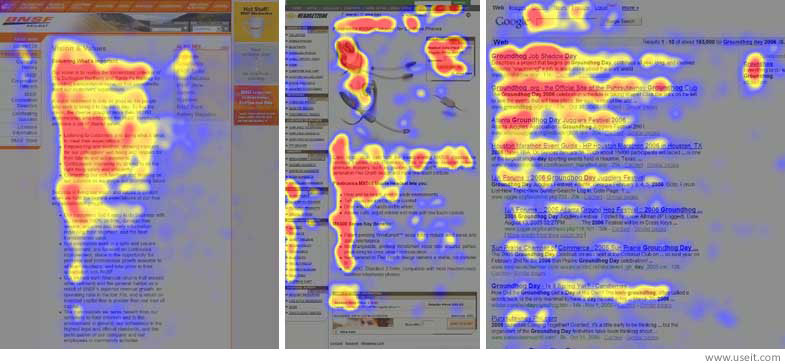
One more model is the F-pattern presented in the explorations by Nielsen Norman Group and showing that users often demonstrate the following flow of interaction:
- Users first read horizontally, usually across the upper part of the content area. This initial element forms the F’s top bar.
- Next, users move down the page a bit and then read across in a second horizontal movement that typically covers a shorter area than the previous movement. This additional element forms the F’s lower bar.
- Finally, users scan the content’s left side in a vertical movement. Sometimes this is a fairly slow and systematic scan that appears as a solid stripe on an eye-tracking heatmap. Other times users move faster, creating a spottier heatmap. This last element forms the F’s stem.
All the mentioned models show that whichever of them a particular user follows, the scanning process will start in the top horizontal area of the web page. Using it for showing the core information and branding is a strategy supporting both sides: readers scan the key data quickly while the website gets the chance to retain them if it’s presented properly. That is the basic reason why header design is an essential issue for UI/UX designers as well as content and promotion specialists.
In one of the articles devoted to practices of header design, its author Bogdan Sandu mentions an important point that should be kept in mind: “People judge the quality of a website in just a few seconds and a second impression is something absent on the Internet. In conclusion, a website must be eye-catching else, it would be nothing more than a big failure”.
Another thing to consider is that the header can become a great help in presenting the essential data to the user quickly and providing positive user experience via clear navigation. However, that doesn’t mean that every website needs a header. There are many creative solutions providing designs applying typical header functionality in other zones of the layout. Every case of website design needs analysis and research of the target audience for the product or service.
Design practices
Readability and visual hierarchy
The choice of typefaces for headers and the background color should undergo rigorous research and testing, as header readability is vital. The user must be able to scan and perceive this basic information as quickly as possible, with no additional effort. Otherwise, you risk providing a non-user-friendly interface.
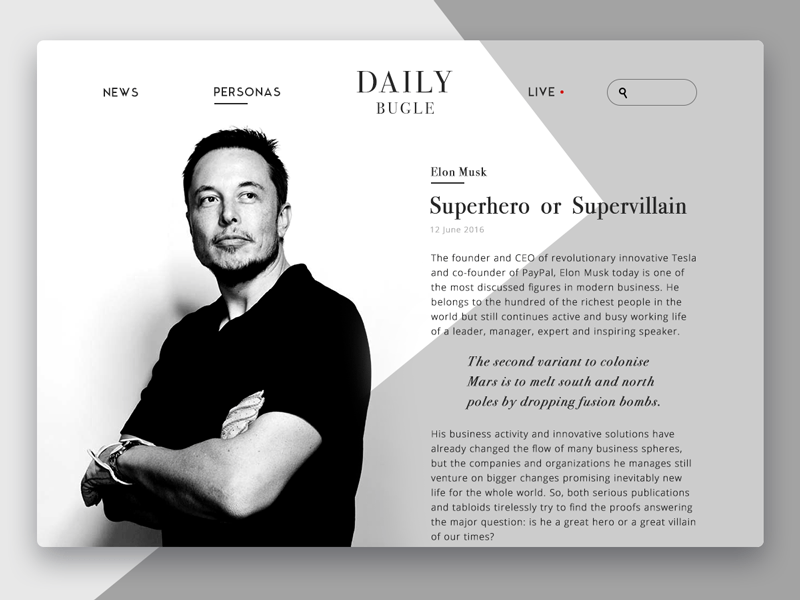
Daily Bugle Online Magazine
The design concept for a news website presented above features a header that includes the website title as the central element, two active links to primary publication categories, a link to live mode, and a search field with a magnifying glass icon.
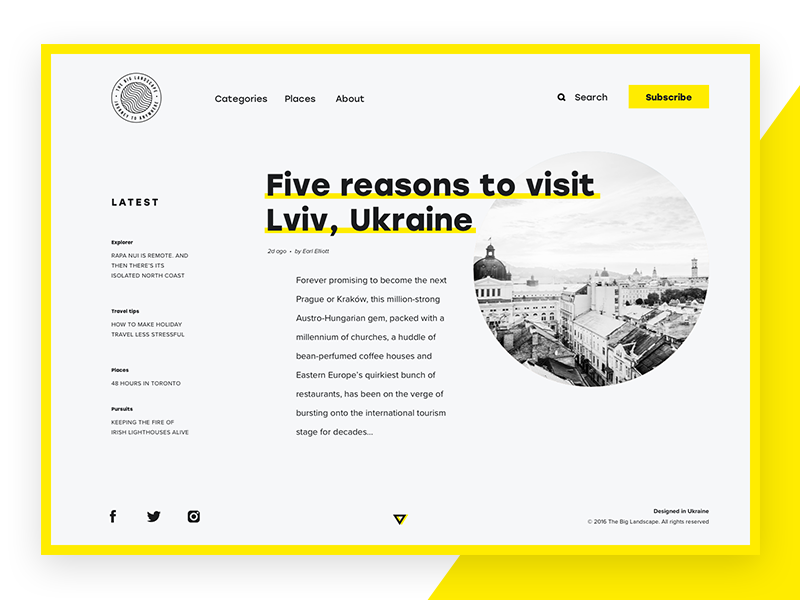
The Big Landscape
Here is another website whose layout is built on the broken grid, so the header corresponds to this approach. The left part of the header is visually longer and consists of four elements: the logo and links to three data blocks. The right part is shorter and includes only two layout elements: a search field and a call-to-action button, marked out with a shape and colored for high contrast.
One more thing to remember is that headers can transform in different ways as you scroll down the page. Some websites use a fixed header that remains visible and active at all times; others hide the header as the user scrolls. There are also websites that do not fully hide the header but instead shrink it as the user scrolls, which means they hide secondary information and leave only the core elements of the layout active and visible throughout the interaction.
Hamburger menu
Another design solution that is quite popular in terms of header functionality is hiding basic links of data categories behind the hamburger button. It is called so as its form, consisting of horizontal lines, looks like a typical bread-meat-bread hamburger.

This button is usually placed in the header and nowadays it is a typical element of interaction. Most users who visit and use websites on a regular basis know that this button hides the core categories of data so this trick does not need additional explanations and prompts. Hamburger menus free the space making the interface more minimalistic and full of air as well as save the place for other important layout elements. This design technique also provides additional benefits for responsive and adaptive design hiding navigation elements and making the interface look harmonic on different devices.
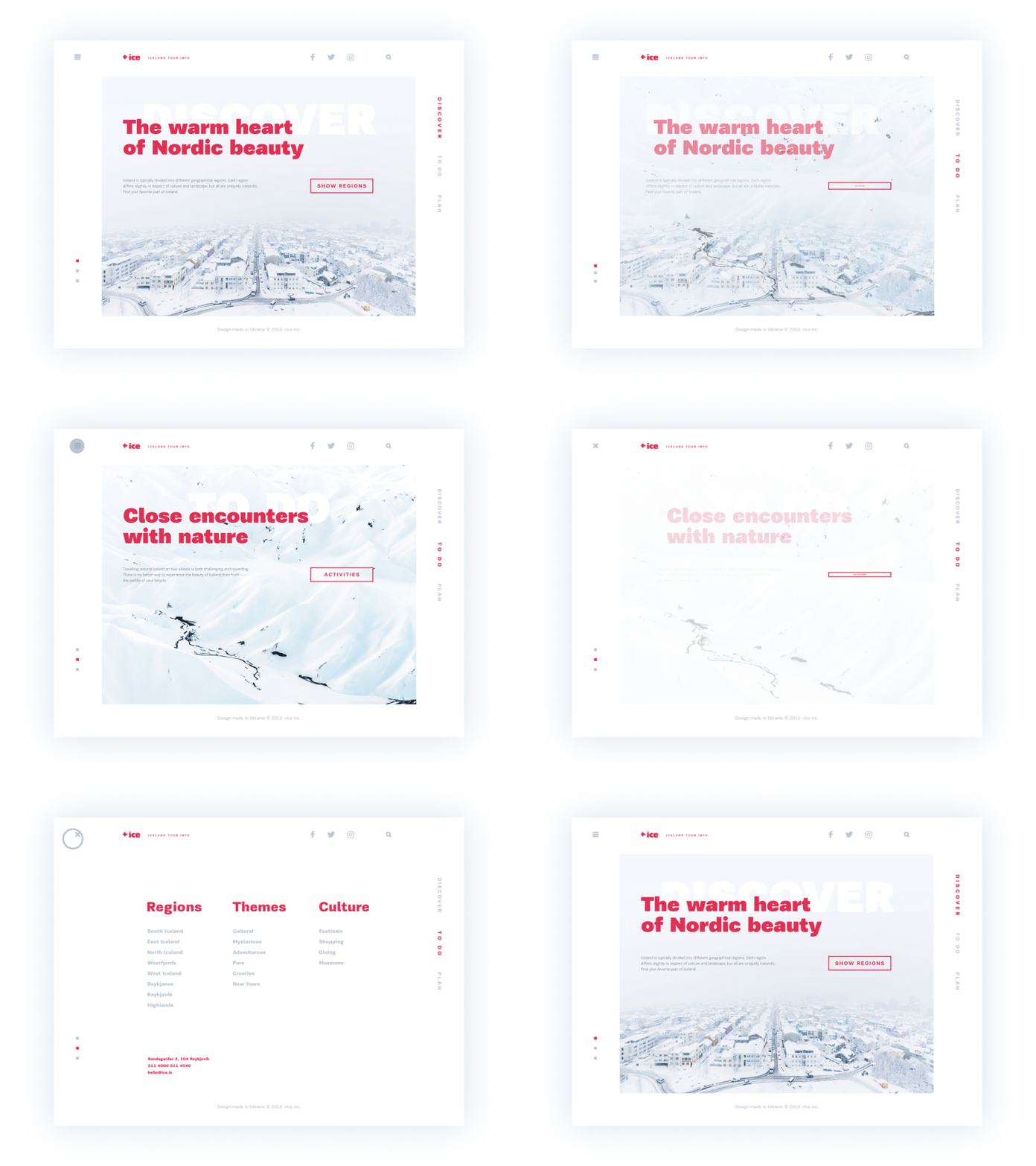
Ice Website
The presented web design concept shows the version of the hamburger menu. As the menu of the website contains many positions, the designer uses this technique by placing the hamburger button in the area of initial interaction – the top left corner. It allows creating a header that supports the website’s general minimalist style. The horizontal area of the header is divided into two zones: the left zone presents branding and a short introduction of the website, colored in red, and keeping visual consistency with the visual performance of the headline and call-to-action element of the page; the right zone features icons of social networks and a search icon. The central part of the header is left empty, which adds some air and balance to its design and works as a negative space separating two different functional blocks.
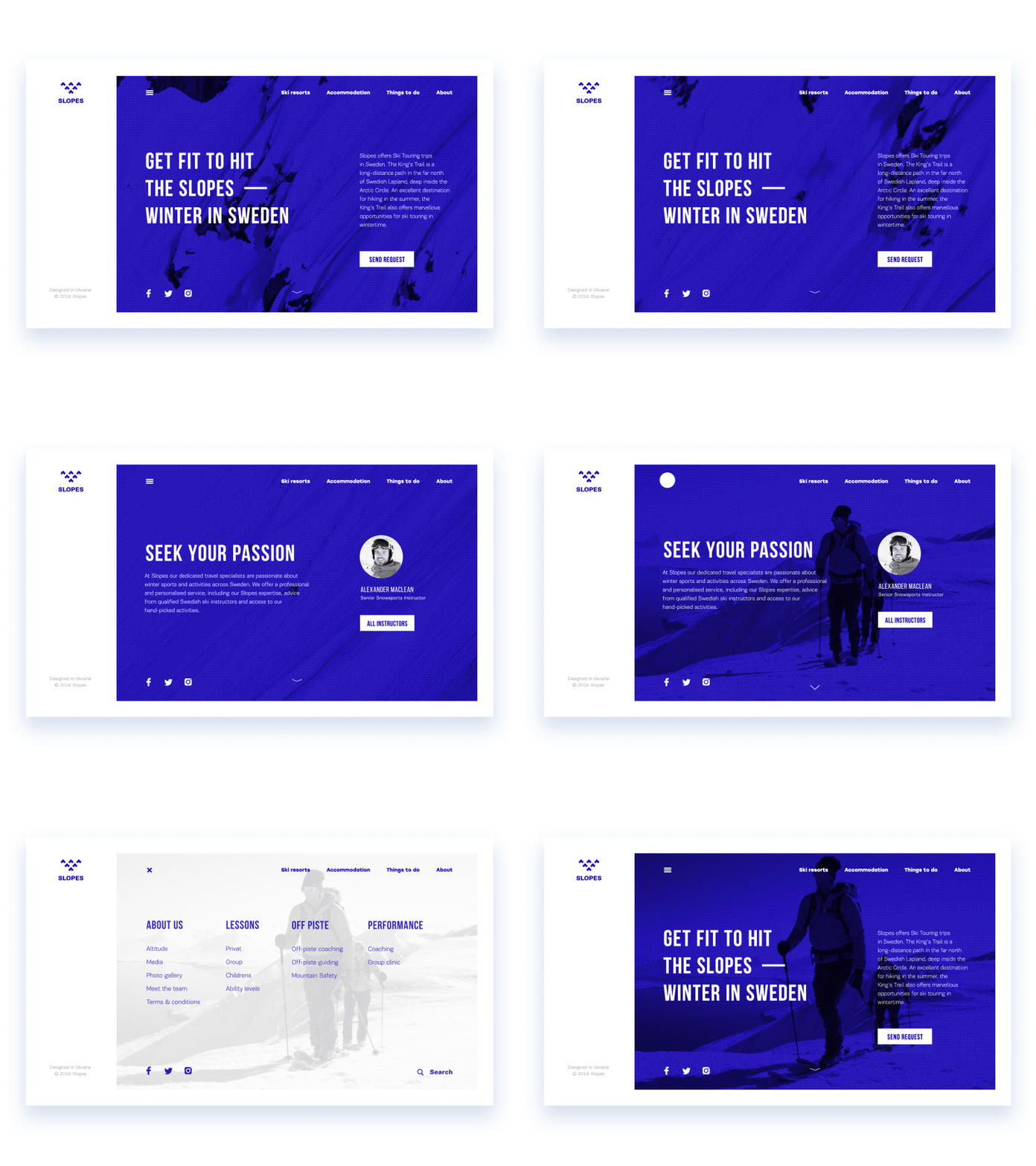
Slopes Website
This design concept presents the website with an original structure of the page, leaving a wide light margin on the left part of the page, with the brand name and logo in the top left part, which is the first point of scanning. The other part presents an interactive zone and has its header composition: a hamburger button to the left and four core links of transition to the right. As this example of interaction shows, the hamburger menu allows the designer to organize numerous theme blocks of information and provide an effective visual hierarchy.
Although hamburger menus still belong to highly debatable issues of modern web and app design, they are still widely used as header elements. The arguments against the hamburger menu are based on the fact that this design element can be confusing for people who do not use websites regularly and can get misled with the sign which features a high level of abstraction. So the decision about applying the hamburger button should be made after user research and definition of target audience’s abilities and needs.
Fixed (Sticky) header
Sticky headers present another trend able to boost usability is applied effectively. Actually, it enables to provide users with navigation area available at any point of interactions, which can be helpful in terms of content-heavy pages with long scrolling.
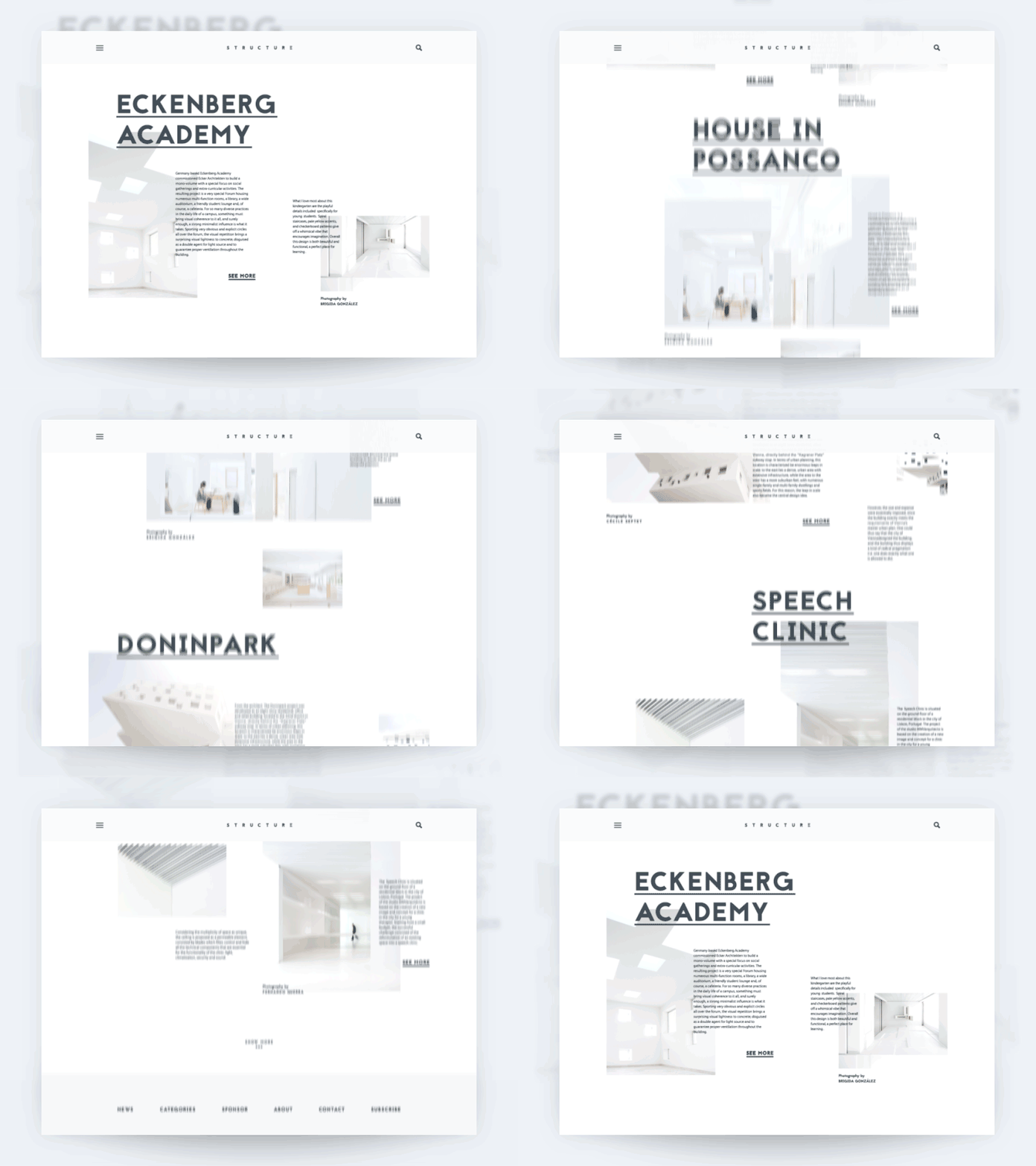
Architecture blog
The presented design concept of a website has a fixed header that doesn’t hide while the page is scrolled. However, it follows minimalism principles featuring brand name lettering as a center of the composition, a magnifier icon marking search functionality, and a hamburger button hiding links to navigation areas.
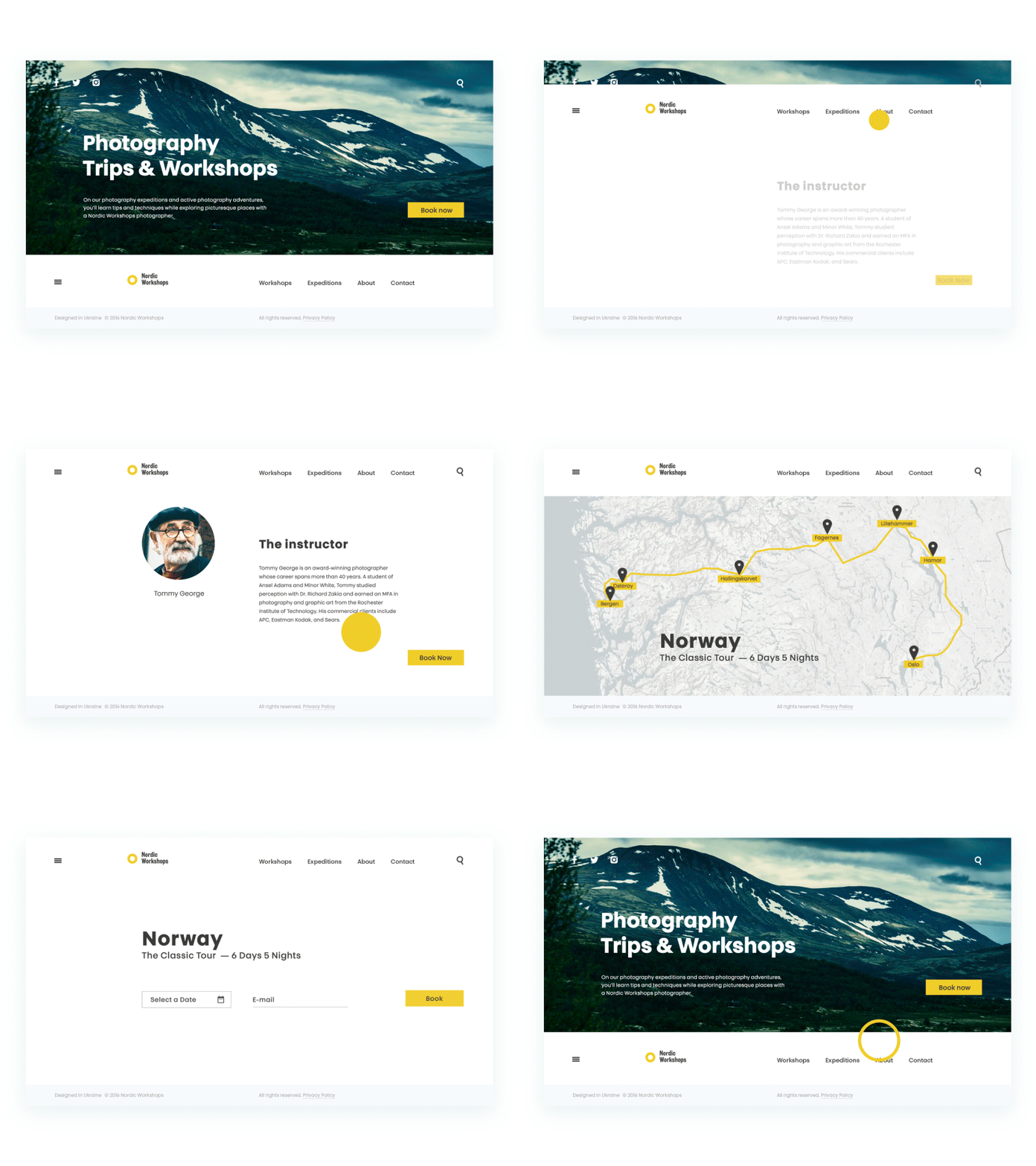
Photography workshops website
Here is one more design concept featuring a creative approach to the header design. The initial view of the home page includes the extremely minimalistic header: it shows only social icons and the search. However, scrolling down users get the sticky header with quite a traditional set of navigation items: the first element to see on the top left part is hamburger button hiding the extended menu, then branding sign followed by the links to thematic information blocks. The composition is finished with the search placed in the top-right part of the page in all the processes of interaction with the page and supporting the feeling of consistency.
Double menu
Double menu in the header can present two layers of navigation. We have shown the example of such a trick in one of the recent case studies for a bakery website.
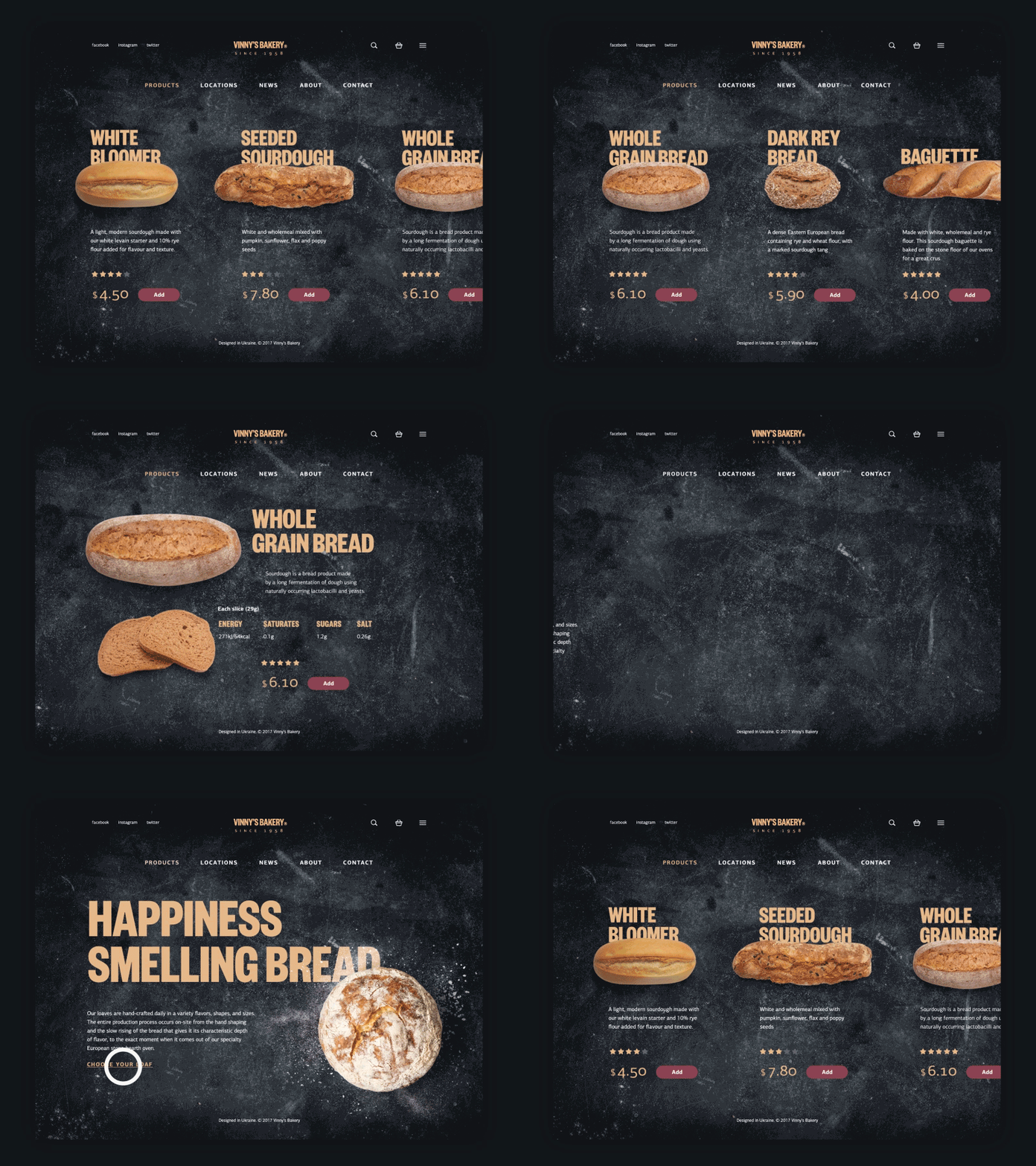
Vinny’s Bakery website
As you can see, the website also uses a sticky header with two levels of navigation. The upper menu displays links to social networks, the logo, search, shopping cart, and a hamburger button that hides the extended menu. The second navigation line provides an instant connection to core interaction areas: product catalog, point-of-sale locations, news and special offers, service information, and the contact section. Visual and typographic hierarchy make all the elements clear and easy to scan, providing a solid foundation for a positive user experience.
The bottom line is simple: the header of any website is a strategically vital interaction zone. Each particular case requires its own approach which will be informative and usable for the specific target audience. User research can provide a good basis for the design solutions, which can follow quite traditional forms of header organization or require a totally new perspective.
Recommended reading
Here is a bunch of links to the articles and design collections which could provide further explorations of the topic:
3 Design Layouts: Gutenberg Diagram, Z-Pattern, And F-Pattern
F-Shaped Pattern For Reading Web Content
Sticky Header Usability: Making Menus Part of a Great User Experience
30 Interesting Examples Of Headers In Web Design
Headerlove: curated collection of headers design
Originally written for Tubik Blog
UX Design Articles
Here’s a bunch of articles to dive deeper into the theme of usability and user experience design.
Aesthetic Usability: How Beauty Improves User Experience
UX Design: Types of Interactive Content That Boosts Engagement
5 Basic Types of Images in Web Design
The Anatomy of a Web Page: Basic Elements
6 Elements of Efficient Company Website Design
UX Practices on Product Page Design
How to Design Effective Search
Web Design: 17 Basic Types of Web Pages
Guide to 6 Effective Types of Web Animation
 https://design4users.com/best-design-practices-for-website-headers/
2026-01-14
© by
Marina Yalanska
,
https://design4users.com/best-design-practices-for-website-headers/
2026-01-14
© by
Marina Yalanska
,
- English
- Ukrainian